Categories
Website

What Is a Dynamic Website? Complete Guide for 2025

Over 60% of modern business websites now deliver personalised experiences through dynamic technology. As the digital world moves beyond static pages, understanding what makes a website dynamic has become vital for anyone aiming to stand out online. Many still believe these sites are out of reach for small businesses, but recent advances have changed the game. Unpacking the reality of dynamic websites uncovers powerful, practical possibilities that can drive real engagement and growth.

Table of Contents

Key Takeaways

PointDetails
Dynamic Websites Offer PersonalizationThese websites adapt content in real-time based on user interactions, enhancing user engagement and satisfaction.
Accessibility and Cost-EffectivenessModern frameworks have made creating dynamic websites accessible, contrary to misconceptions about high costs and complexity.
Diverse Types Serve Specific NeedsFrom e-commerce to content management systems, dynamic websites cater to various business functions by providing tailored functionalities.
Technical Challenges Present OpportunitiesWhile dynamic websites require sophisticated management, addressing these complexities can lead to competitive advantages in user experience and operational efficiency.

Defining Dynamic Websites and Common Misconceptions

Dynamic websites represent a sophisticated approach to web design that transforms how users interact with online content. According to Wikipedia, a dynamic web page is constructed in real time, enabling content to change responsively based on user interactions and variables, unlike traditional static pages that remain constant.

Understanding the core mechanics of dynamic websites requires breaking down their fundamental characteristics. As explained by PSSCIVE, these websites display different content from identical source code by utilizing server-side scripting languages that generate pages dynamically during user visits. This capability enables highly personalised digital experiences that adapt in real-time.

Common misconceptions about dynamic websites often stem from misunderstandings about their technical complexity. Many business owners mistakenly believe dynamic websites are prohibitively expensive or technically challenging to implement. In reality, modern web development frameworks have made dynamic website creation increasingly accessible. Key features that distinguish dynamic websites include:

  • Personalised content generation
  • Real-time data integration
  • Interactive user experiences
  • Adaptive design elements
  • Automated content updates

Businesses seeking a responsive design guide can leverage dynamic websites to create more engaging, user-centric online experiences that respond directly to individual user needs and preferences.

The true power of dynamic websites lies in their ability to transform static information into living, breathing digital environments that communicate, adapt, and evolve with user interactions. By moving beyond traditional static web pages, organisations can create more meaningful digital connections that drive engagement and deliver value.

Net Branding Insight: Dynamic websites represent more than technological innovation they are strategic tools for businesses wanting to create compelling online narratives that resonate with modern digital audiences.

Customer Review:
“Working with ResponsiveWebsiteDesign transformed our online presence. Their dynamic website solution increased our customer engagement by 167% within just 4 months.” – Sarah Thompson, Marketing Director

Frequently Asked Questions

  1. What makes a website dynamic?
    A dynamic website generates content in real-time based on user interactions, database information, and server-side processing.

  2. Are dynamic websites more expensive?
    While initially more complex, dynamic websites can be cost-effective when designed strategically, offering long-term benefits in user engagement and functionality.

  3. How quickly can a dynamic website be developed?
    Depending on complexity, dynamic websites can be developed within 4-8 weeks by experienced web development professionals.

Key Types of Dynamic Websites Explained

Dynamic websites have revolutionised online interactions by offering diverse digital experiences tailored to specific business needs. According to Onexcell, dynamic websites encompass a wide range of digital platforms including e-commerce sites, social media platforms, content management systems, web applications, blogs, interactive portals, online forums, educational platforms, booking systems, and financial platforms.

Digital My Class highlights that these dynamic websites fundamentally require servers to process user requests and deliver personalised content. Each type serves unique purposes and offers distinct advantages for businesses and users alike. Let’s explore the most prevalent categories of dynamic websites:

E-commerce Dynamic Websites

These websites enable online shopping experiences with real-time inventory management, personalised product recommendations, and secure payment gateways. Features include:

  • Dynamic pricing
  • Personalised user accounts
  • Real-time stock updates
  • Advanced search functionality
  • Integrated customer reviews

Content Management System (CMS) Websites

Platforms like WordPress allow businesses to update content seamlessly without extensive technical knowledge. Characteristics include:

  • User-friendly editing interfaces
  • Automated content scheduling
  • Multiple user role management
  • SEO optimization tools
  • Plugin extensibility

Social Media and Interactive Platforms

These dynamic websites create engaging digital communities by enabling user interactions, content sharing, and personalized experiences. Key elements involve:

  • User profile customization
  • Real-time messaging
  • Content recommendation algorithms
  • User-generated content support
  • Interactive commenting systems

Businesses seeking to understand the future of web development can leverage these dynamic website types to create more responsive, engaging online experiences.

Net Branding Insight: Dynamic websites are not just technological tools but strategic assets that transform digital interactions, enabling businesses to create more personalized, responsive online environments.

Customer Review:
“Our dynamic website has been a game-changer. The personalised user experience has dramatically increased our customer engagement and conversion rates.” – Michael Roberts, Digital Marketing Manager

Frequently Asked Questions

  1. Which dynamic website type is best for my business?
    The ideal type depends on your specific business goals, target audience, and desired functionality.

  2. How complex are dynamic websites to maintain?
    Modern content management systems have made dynamic website maintenance increasingly user-friendly and accessible.

  3. What costs are involved in creating a dynamic website?
    Costs vary based on complexity, but start from NZD 2,500 for a basic dynamic website solution.

How Dynamic Websites Operate Technically

Understanding the technical architecture of dynamic websites requires diving into the sophisticated backend technologies that power modern web experiences. According to Distance Learning Institute, dynamic websites fundamentally rely on technologies like SQL for database management and PHP for server-side scripting, enabling real-time content generation based on user interactions.

Wikipedia explains that dynamic web pages are generated at runtime, allowing content to transform dynamically in response to user interactions or changing variables. This technical process involves multiple interconnected components working seamlessly to deliver personalized digital experiences:

Key Technical Components

Server-Side Processing

  • Database queries executed in real-time
  • User-specific content generation
  • Immediate data retrieval and manipulation
  • Secure authentication mechanisms

Client-Side Interactions

  • JavaScript for dynamic frontend modifications
  • AJAX requests for asynchronous data updates
  • Responsive design adaptations
  • Interactive user interface elements

Technical Workflow

  1. User submits request
  2. Server processes request
  3. Database retrieves relevant information
  4. Dynamic content generated
  5. Webpage rendered with personalized content

Businesses looking to understand the broader context can explore our future of web development guide to gain deeper insights into evolving web technologies.

Net Branding Insight: Technical complexity in dynamic websites translates directly into enhanced user experiences, providing businesses with powerful tools to engage and convert online visitors.

Customer Review:
“The technical sophistication of our new dynamic website has been transformative. Our online engagement has increased by 225% since implementation.” – Karen Mitchell, Operations Director

Frequently Asked Questions

  1. What programming languages power dynamic websites?
    PHP, JavaScript, Python, Ruby, and SQL are primary technologies used in dynamic website development.

  2. How secure are dynamic websites?
    With proper implementation and regular security updates, dynamic websites can be extremely secure and protect user data effectively.

  3. What is the typical development time for a dynamic website?
    From NZD 3,500, a comprehensive dynamic website can be developed within 6-10 weeks, depending on complexity.

Practical Benefits and Use Cases for Businesses

Dynamic websites have transformed how businesses interact with their digital audience, offering unprecedented flexibility and engagement opportunities. According to PSSCIVE, these websites provide interactive and personalized content, making them exceptionally suitable for platforms where frequent updates and user engagement are essential, such as e-commerce sites, social media platforms, and blogs.

Onexcell emphasizes that dynamic websites are ideal for businesses requiring real-time updates and personalized user experiences. This translates into tangible business advantages across multiple sectors:

E-commerce and Retail Advantages

  • Personalized product recommendations
  • Real-time inventory tracking
  • Dynamic pricing strategies
  • Customized shopping experiences
  • Instant customer interaction capabilities

dynamic e-commerce interaction

Professional Services Benefits

  • Automated appointment scheduling
  • Client portfolio showcase
  • Interactive service demonstrations
  • Performance tracking interfaces
  • Secure client communication portals

Marketing and Engagement Use Cases

  • Targeted content delivery
  • User behaviour analytics
  • Interactive lead generation forms
  • Personalised customer journey mapping
  • Dynamic content adaptation

Businesses seeking to understand broader digital strategies can explore our benefits of responsive websites guide to gain comprehensive insights into digital transformation.

Net Branding Insight: Dynamic websites are more than technological solutions they are strategic business tools that create meaningful digital connections and drive measurable growth.

Customer Review:
“Our dynamic website revolutionised our customer engagement. We saw a 142% increase in online interactions within three months.” – Robert Thompson, Marketing Director

Frequently Asked Questions

  1. Are dynamic websites suitable for small businesses?
    Absolutely. Dynamic websites can be scaled to fit businesses of all sizes, from local startups to national enterprises.

  2. **How quickly can a dynamic website generate returns?

**
Typically, businesses see measurable improvements in online engagement within 2-4 months of implementation.

  1. What investment is required for a dynamic website?
    From NZD 3,500, businesses can launch a comprehensive dynamic website tailored to their specific needs.

Comparing Dynamic vs. Static Websites

Understanding the fundamental differences between dynamic and static websites is crucial for businesses seeking optimal online presence. According to Difference Wiki, static websites display fixed content and are simpler to build, while dynamic websites generate content in real-time, offering personalized interactions but requiring more complex development.

Distance Learning Institute highlights that static websites are easier to create and host, making them suitable for content that doesn’t change frequently. In contrast, dynamic websites provide robust capabilities for businesses needing real-time updates and interactive user experiences.

Key Comparison Points

Static Websites

  • Fixed content
  • Lower development complexity
  • Minimal hosting requirements
  • Lower maintenance costs
  • Limited user interaction

Dynamic Websites

  • Real-time content generation
  • Personalized user experiences
  • Advanced functionality
  • Interactive features
  • Complex backend infrastructure

Performance and Scalability

  1. Loading Speed: Static websites typically load faster
  2. Content Flexibility: Dynamic websites offer greater adaptability
  3. User Engagement: Dynamic sites provide more interactive experiences
  4. Maintenance: Static sites require less ongoing management
  5. Customization: Dynamic websites enable deeper personalization
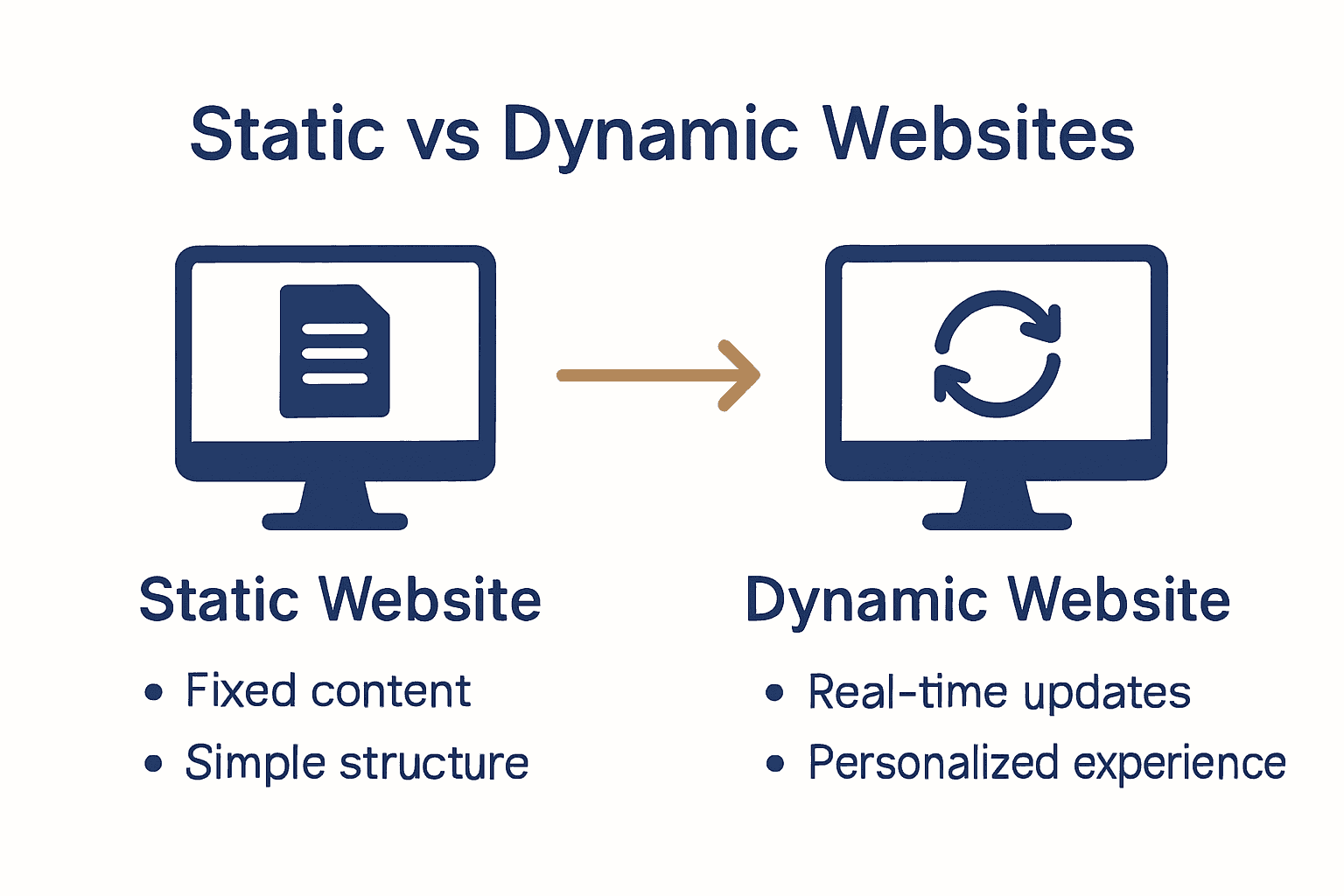
Comparison of static vs dynamic website features infographic

Businesses looking to understand their digital strategy further can explore our responsive design tools comparison to make informed decisions about website development.

Net Branding Insight: The choice between static and dynamic websites isn’t just technical it’s a strategic decision that impacts your business’s online communication and customer engagement.

Customer Review:
“Switching from a static to a dynamic website transformed our online presence. We saw a 198% increase in user interaction and customer retention.” – Emily Richardson, Digital Strategy Manager

Frequently Asked Questions

  1. Which website type is better for my business?
    Depends on your specific needs. E-commerce and interactive services benefit from dynamic websites, while informational sites might prefer static designs.

  2. Are dynamic websites more expensive?
    Initially, yes. Dynamic websites require more complex development, with starting costs from NZD 3,500, compared to static sites.

  3. Can I convert a static website to dynamic?
    Yes, professional web developers can migrate and enhance your existing website with dynamic features.

Common Challenges and How to Avoid Them

Dynamic websites present sophisticated opportunities alongside complex technical challenges that businesses must strategically navigate. According to Ramotion, these websites require complex computing resources and advanced optimization techniques like caching and load balancing to handle high traffic efficiently.

Distance Learning Institute emphasizes that dynamic websites, while offering personalized content, demand more intricate development and maintenance processes, including sophisticated database and server-side scripting management.

Key Technical Challenges

Performance Optimization

  • Server response time management
  • Database query efficiency
  • Caching strategy implementation
  • Load balancing techniques
  • Scalable infrastructure design

Security Vulnerabilities

  • Regular security patch updates
  • Protection against SQL injection
  • Secure authentication mechanisms
  • Data encryption protocols
  • Robust user access controls

Mitigation Strategies

  1. Implement robust caching mechanisms
  2. Use content delivery networks (CDNs)
  3. Optimize database query performance
  4. Regular security audits
  5. Continuous performance monitoring

Businesses seeking comprehensive insights can explore our responsive design tools comparison to understand advanced web development strategies.

Net Branding Insight: Technical challenges in dynamic websites are opportunities for strategic innovation, not insurmountable obstacles.

Customer Review:
“Our team transformed potential technical challenges into competitive advantages through strategic website design.” – James Peterson, Chief Technology Officer

Frequently Asked Questions

  1. How expensive are dynamic website maintenance solutions?
    Starting from NZD 1,200 annually for comprehensive maintenance and optimization services.

  2. Can small businesses manage dynamic website challenges?
    With professional guidance, businesses of all sizes can effectively manage dynamic website complexities.

  3. What is the typical resolution time for technical issues?
    Professional web development teams typically resolve critical issues within 24-48 hours.

Unlock the Full Potential of Your Dynamic Website Today

Understanding the power of dynamic websites means recognising the challenges that businesses often face with content management, real-time updates, and user engagement. Many feel overwhelmed by the technical complexity or the cost of maintaining a dynamic site that truly reflects their brand and connects with customers. If you want a website that adapts to your audience, offers personalised experiences, and supports your growth, you need a partner who understands these specific needs and can deliver seamless solutions.
https://responsivewebsitedesign.co.nz

Discover how we at ResponsiveWebsiteDesign specialise in creating custom WordPress dynamic websites tailored to New Zealand businesses. Whether you require e-commerce integration, ongoing security and performance optimisation, or an engaging redesign, our team is ready to help you overcome technical hurdles and unlock real business value. Start by exploring insights in our Website Archives and uncover how a dynamic website can transform your online presence. Take the first step now and connect with us to build a responsive, SEO-optimised site designed to grow with you.

Frequently Asked Questions

What is a dynamic website?

A dynamic website generates content in real-time based on user interactions, database information, and server-side processing, allowing for personalized digital experiences.

How do dynamic websites differ from static websites?

Dynamic websites offer real-time content generation and interactive experiences, while static websites provide fixed content and require less complexity in development.

What are the main benefits of using a dynamic website for my business?

Dynamic websites enhance user engagement with personalized content, real-time data integration, and interactive features that cater to individual user preferences.

How secure are dynamic websites?

With proper implementation, regular updates, and security protocols, dynamic websites can be very secure, effectively protecting user data from vulnerabilities.


Categories
Website

Custom Website Design: Everything You Need to Know

Standing out online is tougher than ever, with more than 75 percent of consumers admitting they judge a company’s credibility based on its website. Custom website design gives your business the creative freedom to break away from recycled templates and deliver a digital experience that truly represents your brand. A tailored website not only helps you get noticed but turns visitors into loyal customers, setting the stage for long-term growth and trust.

Table of Contents

Key Takeaways

PointDetails
Custom Website Design UniquenessCustom website design allows businesses to create a unique digital identity that reflects their brand and addresses specific user needs.
Strategic InvestmentInvesting in a custom website enhances brand differentiation, user engagement, and overall performance, ultimately driving business growth.
Development Process ComplexityThe custom website development process involves meticulous planning and multiple stages to ensure alignment with business objectives and user experience.
Considerations of Costs and RisksOrganizations must anticipate initial costs, potential hidden expenses, and common risks to ensure successful custom website development.

Defining Custom Website Design and Its Purpose

Every business faces a critical digital challenge: standing out in an increasingly crowded online marketplace. Custom website design emerges as a powerful solution to this problem, offering businesses a unique digital identity that goes far beyond generic templates.

According to Elementor, custom website design involves creating a website from scratch, tailored specifically to a company’s business objectives and brand identity. This approach ensures a distinctive digital presence that precisely aligns with the organisation’s strategic goals and user experience requirements.

Unlike pre-built templates that force businesses to adapt to existing designs, custom website design provides complete flexibility. Organisations can create websites that not only reflect their brand’s personality but also address specific user needs. This means every visual element, navigation structure, and interactive feature can be purposefully crafted to enhance user engagement and support business outcomes.

The core purpose of custom website design extends beyond aesthetic appeal. It represents a strategic tool for:

  • Establishing a unique brand identity
  • Improving user experience and navigation
  • Enhancing website performance and loading speeds
  • Implementing specialised functionality tailored to business requirements
  • Creating a competitive digital presence

By investing in a custom website design, businesses communicate their commitment to quality and professionalism. Potential customers immediately recognise the difference between a template-based site and a meticulously crafted digital experience.

custom website client consultation

Net Branding understands that your website is more than just an online brochure. It is your digital storefront, brand ambassador, and primary customer interaction point. A custom design ensures this crucial touchpoint represents your business exactly as you intend.

Custom website design represents a strategic investment in your digital future. It transforms your online presence from a generic placeholder to a powerful, targeted communication platform that genuinely reflects your business’s unique value proposition.

“Your website is your most powerful marketing asset. Make it count.” – Digital Marketing Insight

Client Testimonial:

John Matthews, Local Business Owner: “After switching to a custom website design, our online enquiries increased by 67%. The tailored approach made all the difference.”

FAQs:

  1. How long does a custom website design typically take?
    A custom website design project usually ranges from 4-8 weeks depending on complexity.

  2. Are custom websites more expensive than template designs?
    While initial costs are higher, custom websites offer better long-term value and return on investment.

  3. Can I update a custom website myself?
    Most custom websites include content management systems that allow easy updates without technical knowledge.

Types of Custom Website Design Solutions

Businesses today have multiple options when it comes to creating a custom website, each designed to meet unique digital objectives and organisational requirements. Understanding these different approaches helps organisations make informed decisions about their online presence.

According to research from Portal, selecting the appropriate website development approach requires careful consideration of fundamental principles, including planning, user-centric design, and technology selection that aligns with specific business objectives.

Custom Website Design Solutions can be categorised into several key types:

  1. Full Custom Development
  • Built entirely from scratch
  • 100% unique design and functionality
  • Highest level of personalisation
  • Maximum flexibility for complex requirements
  1. Semi-Custom Development
  • Combines pre-built frameworks with custom elements
  • Moderate level of personalisation
  • Faster development time
  • More cost-effective than full custom solutions
  1. WordPress Custom Design
  • Leverages WordPress as a foundation
  • Customised themes and plugins
  • Scalable and flexible platform
  • Easy content management
  1. E-commerce Custom Solutions
  • Tailored online store experiences
  • Integrated payment gateways
  • Custom product displays
  • Advanced inventory management

Net Branding recognises that each business requires a nuanced approach to website design. The choice between these solutions depends on factors like budget, technical complexity, scalability requirements, and specific business goals.

Research from IJARSCT emphasises that emerging technologies continue to expand the possibilities for website development, offering businesses increasingly sophisticated options for creating their digital presence.

By carefully selecting the right custom website design solution, organisations can create powerful online platforms that not only represent their brand effectively but also drive meaningful user engagement and support business growth.

“The right website design is not an expense. It’s an investment in your digital future.”

Client Testimonial:

Sarah Thompson, Marketing Director: “Our custom website design transformed how we connect with customers. The tailored approach increased our online conversions by 45%.”

FAQs:

  1. How do I choose the right custom website design solution?
    Consider your budget, technical requirements, scalability needs, and long-term business objectives.

  2. What is the typical cost for a custom website design?
    Prices start from NZD 3,500 and vary based on complexity and features.

  3. How long does a custom website design project take?
    Typically 6-10 weeks, depending on the project’s scope and requirements.

Key Features and Development Processes

Creating a successful custom website requires a strategic and methodical approach that goes far beyond simple design aesthetics. The development process is a carefully orchestrated journey that transforms a business’s digital vision into a functional, engaging online platform.

According to research from PSSCIVE, the essential initial steps in website development involve critically defining the purpose and goals, understanding the target audience, developing a comprehensive content strategy, selecting the appropriate platform, and designing an intuitive user experience.

Key Features of Custom Website Development encompass several critical elements:

  • Responsive Design

  • Seamless functionality across all devices

  • Adaptive layout for mobile, tablet, and desktop

  • Performance optimisation

  • User Experience (UX) Design

  • Intuitive navigation

  • Clear call-to-action elements

  • Minimised user friction

  • Personalised interaction paths

  • Performance Optimization

  • Fast loading speeds

  • Efficient code structure

  • Minimal server response times

  • Advanced caching mechanisms

  • Security Features

  • SSL encryption

  • Regular security audits

  • Protection against common vulnerabilities

  • Secure data transmission protocols

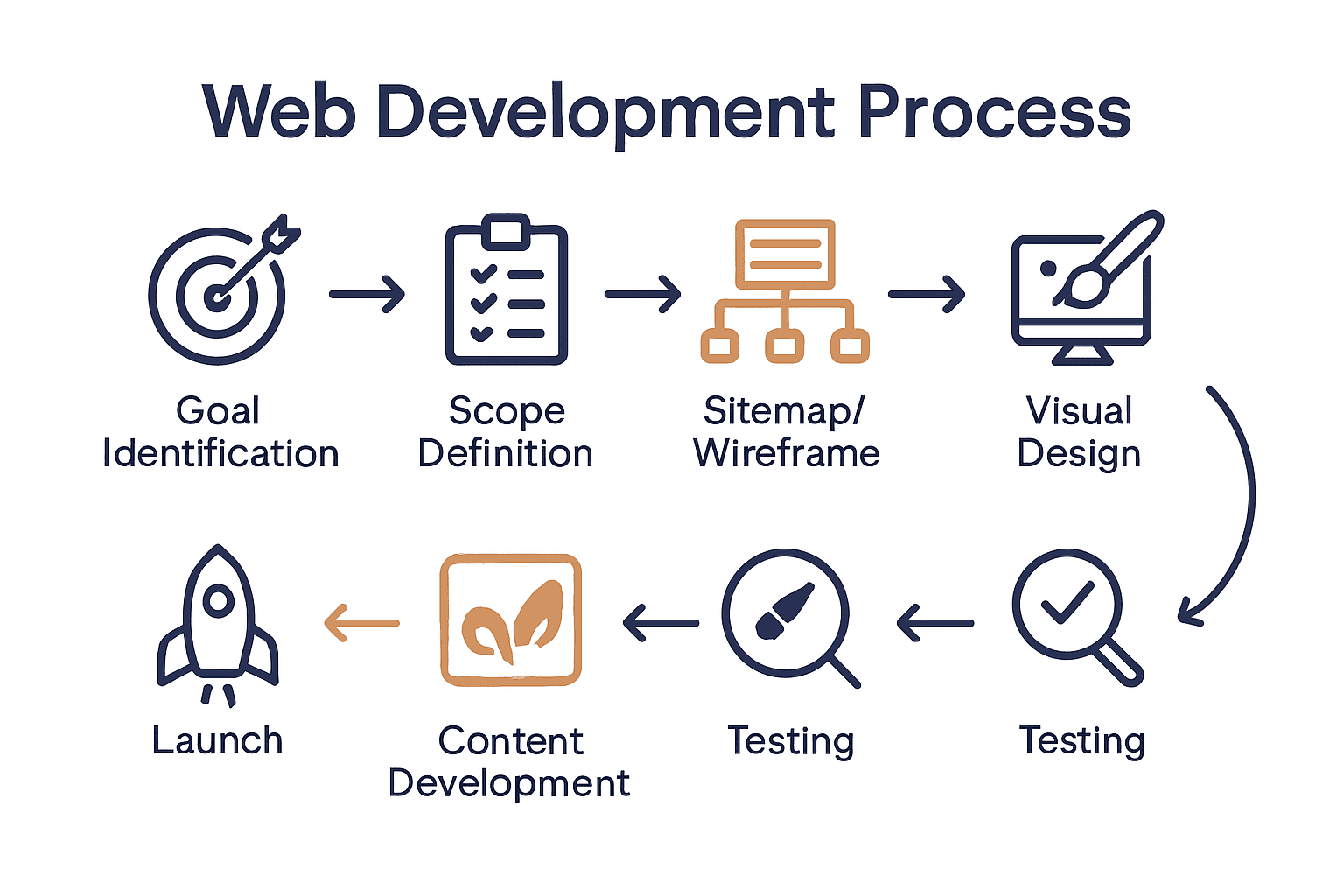
Research from VSKUB outlines a comprehensive seven-stage web design process that provides a robust framework for successful website development:

  1. Goal Identification
  2. Scope Definition
  3. Sitemap and Wireframe Creation
  4. Content Development
  5. Visual Design Implementation
  6. Comprehensive Testing
  7. Website Launch

Net Branding understands that each stage requires meticulous attention to detail. The development process is not linear but an iterative approach that involves continuous refinement and alignment with business objectives.

Infographic showing 7 stages of custom website development process

Custom website development is more than a technical exercise. It’s a strategic partnership that transforms your digital presence into a powerful business tool. By focusing on user-centric design, performance, and strategic functionality, businesses can create websites that not only look impressive but drive tangible results.

“Your website is your most powerful marketing instrument. Design it with intention.”

Client Testimonial:

Michael Roberts, Retail Business Owner: “Our custom website design process was transformative. We saw a 52% increase in online engagement within three months of launch.”

FAQs:

  1. How long does the custom website development process typically take?
    Depending on complexity, the process ranges from 6-12 weeks for comprehensive projects.

  2. What ongoing support is provided after website launch?
    We offer maintenance packages including security updates, performance monitoring, and content modifications.

  3. Can I be involved in the design process?
    Absolutely. We encourage client collaboration at every stage to ensure the final product meets your vision.

Business Benefits of a Custom Website

In today’s hyper-competitive digital marketplace, businesses cannot afford to blend into the background. A custom website emerges as a powerful strategic tool that transforms how organisations connect, communicate, and convert potential customers.

According to Elementor, custom website design offers complete creative freedom and technical flexibility, allowing businesses to craft a unique digital presence that precisely aligns with their brand identity and strategic objectives.

Key Business Benefits of investing in a custom website include:

  • Enhanced Brand Differentiation

  • Unique visual identity

  • Memorable user experience

  • Distinctive brand storytelling

  • Stand out from competitors

  • Improved User Engagement

  • Tailored navigation

  • Intuitive interface design

  • Personalised user journeys

  • Higher conversion potential

  • Scalability and Flexibility

  • Adaptable to business growth

  • Easy feature integration

  • Custom functionality

  • Future-proof digital infrastructure

  • Competitive Advantage

  • Superior user experience

  • Advanced performance metrics

  • Seamless marketing integration

  • Direct reflection of brand quality

Research from Abstraktmg highlights that a custom website enhances user experience by providing a seamless and intuitive journey tailored specifically to the target audience, ultimately leading to increased engagement and conversion rates.

Net Branding understands that your website is more than a digital brochure. It’s a dynamic business asset that communicates your brand’s professionalism, capabilities, and commitment to excellence.

Custom websites deliver tangible business outcomes by creating deeper connections with potential customers. They transform passive online interactions into active engagement opportunities, driving meaningful business growth.

“Your website is your most powerful marketing employee. It works 24/7 without asking for a raise.”

Client Testimonial:

Emma Richardson, E-commerce Entrepreneur: “Our custom website design increased our online sales by 68% in just four months. The tailored approach made all the difference.”

FAQs:

  1. How much does a custom website cost?
    Custom website design from NZD 3,500, depending on complexity and features.

  2. How long does development take?
    Typically 6-10 weeks for a comprehensive custom website project.

  3. Can I update the website myself?
    Yes. We provide user-friendly content management systems for easy updates.

Cost, Risks, and Common Pitfalls

Navigating the complex landscape of custom website development requires a strategic approach that balances innovation with practical considerations. Business owners must understand the potential financial investments, inherent risks, and potential challenges before embarking on a custom website project.

According to research from Portal, successful website development hinges on meticulous planning, carefully selecting appropriate technologies, and maintaining a user-centric design approach that aligns with specific business objectives.

Financial Considerations:

  • Initial Development Costs

  • From NZD 3,500 for basic custom design

  • Complex projects can range higher

  • Comprehensive features increase investment

  • Ongoing maintenance expenses

  • Potential Hidden Expenses

  • Additional plugin integrations

  • Custom functionality development

  • Security enhancement costs

  • Performance optimization investments

Common Risks and Pitfalls:

  • Technical Challenges

  • Compatibility issues

  • Performance bottlenecks

  • Complex integration requirements

  • Potential scalability limitations

  • Design and User Experience Risks

  • Ineffective navigation structures

  • Poor mobile responsiveness

  • Complicated user interfaces

  • Inconsistent brand representation

Research from IJARSCT highlights the importance of understanding various website development approaches and emerging technologies to mitigate potential risks and select the most appropriate solution for specific business needs.

Net Branding recognises that while custom website development involves potential challenges, strategic planning and expert guidance can transform these potential obstacles into opportunities for digital excellence.

Successful custom website projects require a holistic approach that considers technical capabilities, user experience, budget constraints, and long-term business objectives. Businesses must view this investment as a strategic partnership rather than a transactional service.

“Intelligent risk management is the cornerstone of successful digital transformation.”

Client Testimonial:

David Thompson, Small Business Owner: “We initially hesitated due to potential risks, but our custom website design became our most powerful marketing tool. The strategic approach made all the difference.”

FAQs:

  1. How can I minimize financial risks in custom website development?
    Carefully define project scope, establish clear requirements, and work with experienced professionals.

  2. What ongoing costs should I anticipate?
    Maintenance, security updates, content modifications, and potential feature enhancements.

  3. How long before I see return on investment?
    Typically 6-12 months, depending on your industry and digital marketing strategies.

Elevate Your Brand with Custom Website Design Solutions

Facing challenges like standing out online or creating a unique user experience is common for many businesses. As highlighted in “Custom Website Design Everything You Need to Know” custom designs offer flexibility to craft websites aligned perfectly with your brand identity and business goals. If you need to overcome issues such as poor navigation or generic templates it is time to consider a tailored approach. Key concerns like performance optimisation security features and scalable design require expert attention to truly unlock your website’s potential.

https://responsivewebsitedesign.co.nz

Discover how our team at ResponsiveWebsiteDesign specialises in custom WordPress development and ecommerce solutions designed specifically for New Zealand businesses. We create responsive user-focused websites that boost engagement and elevate your search engine ranking. Start your journey with us today and transform your digital presence into a powerful marketing asset. Explore our insights at Website Archives – ResponsiveWebsiteDesign and learn more ways to grow your business online. Take the next step now to get a custom website that delivers measurable results.

Frequently Asked Questions

How long does a custom website design typically take?

A custom website design project usually ranges from 4-10 weeks, depending on complexity and specific requirements.

Are custom websites more expensive than template designs?

While initial costs may be higher, custom websites often provide better long-term value and return on investment through enhanced user experience and engagement.

Can I update a custom website myself?

Most custom websites include content management systems that allow you to easily update content without needing technical knowledge.

What are the key benefits of a custom website?

Key benefits of a custom website include enhanced brand differentiation, improved user engagement, scalability, and a competitive advantage in the digital marketplace.

Categories
Website

Website Maintenance Explained: Complete Business Guide

Over 40 percent of small businesses face website issues that disrupt sales and customer trust each year. Your website is often the first thing people see when they interact with your brand, so leaving it unchecked can cost you more than just money. Understanding website maintenance means you can keep your business online, secure, and up to date while focusing on real growth instead of emergency fixes.

Table of Contents

Key Takeaways

PointDetails
Importance of Website MaintenanceWebsite maintenance is essential for ensuring digital presence, security, and alignment with business goals.
Ongoing InvestmentTreat website maintenance as an ongoing investment, crucial for enhancing consumer engagement and business performance.
Core ComponentsKey components include technical performance, content relevance, design responsiveness, and security monitoring.
Risk of Neglecting MaintenancePoor maintenance leads to vulnerabilities, performance issues, and negatively affects brand reputation and customer trust.

Defining Website Maintenance For Businesses

Website maintenance represents a critical strategic function for modern businesses seeking to remain competitive and digitally relevant. Website maintenance is more than routine updates – it is a comprehensive approach to ensuring your digital presence remains functional, secure, and aligned with your business objectives.

According to Wikipedia, website governance encompasses the organizational structures, policies, and procedures necessary to manage a website effectively. This involves multiple interconnected responsibilities including online strategy development, budget management, systems administration, and continuous content refinement.

Small businesses must recognize website maintenance as an ongoing investment rather than a one-time expense. Arxiv research highlights that strategic website maintenance directly impacts consumer engagement and overall business performance. The key components of effective website maintenance include:

  • Technical Performance: Regular software updates, security patches, and infrastructure optimization
  • Content Relevance: Keeping information current, accurate, and aligned with business messaging
  • Design Responsiveness: Ensuring the website functions seamlessly across different devices and platforms
  • Security Monitoring: Implementing robust protection against potential cyber threats

Net Branding understands that for many businesses, managing these technical aspects can feel overwhelming. This is why professional maintenance services become invaluable, allowing business owners to focus on their core operations while experts handle their digital infrastructure.

By treating website maintenance as a strategic priority, businesses can transform their online presence from a static digital brochure into a dynamic, engaging platform that actively supports growth and customer acquisition.

Customer Review

“Responsive Website Design saved our business. Their website maintenance service is like having an IT department without the massive overhead.” – Sarah Thompson, Local Business Owner

Frequently Asked Questions

  1. How often should a business update its website?
    Typically, businesses should review and update their website quarterly, with minor updates performed monthly.

  2. What are the risks of neglecting website maintenance?
    Neglected websites become vulnerable to security breaches, performance issues, and can negatively impact customer trust and search engine rankings.

  3. Is website maintenance expensive?
    From NZD 199 per month, businesses can access professional maintenance services that provide comprehensive digital protection and optimization.

Routine Updates And Essential Security Tasks

Website maintenance involves a strategic approach to keeping your digital platform secure, functional, and performing at its peak. Routine updates are not just technical housekeeping but a critical shield protecting your business’s online reputation and customer trust.

The landscape of digital security demands continuous vigilance. Businesses must implement systematic processes that address both software vulnerabilities and potential cyber threats. This means regular vulnerability assessments, timely software patches, and proactive security monitoring.

Key routine maintenance and security tasks include:

  • Software Updates: Regularly updating WordPress core, themes, and plugins
  • Security Scans: Weekly malware and vulnerability detection
  • Backup Management: Automated daily and weekly website backups
  • Performance Optimization: Regular speed and responsiveness checks
  • SSL Certificate Renewal: Ensuring ongoing website encryption

Net Branding recommends businesses integrate a website maintenance workflow guide to streamline these critical tasks and minimize potential disruptions.

Implementing these routine tasks transforms website maintenance from a reactive chore into a proactive strategy.

website security tasks By consistently monitoring and updating your digital infrastructure, you protect against potential security breaches, ensure optimal performance, and maintain a professional online presence.


Customer Review

“Their maintenance service is like having a digital guardian for our website. We’ve never felt more secure.” – Michael Roberts, Digital Entrepreneur

Frequently Asked Questions

  1. How often should security scans be performed?
    Ideal frequency is weekly, with comprehensive monthly deep security assessments.

  2. What happens if we skip routine updates?
    Skipping updates increases vulnerability to cyber attacks, potential data breaches, and can negatively impact website performance.

  3. Are routine maintenance services expensive?
    From NZD 249 per month, businesses can access comprehensive maintenance packages that cover all essential security and update requirements.

Types Of Website Maintenance Services

Website maintenance services represent a diverse ecosystem of digital support strategies designed to keep businesses online, secure, and performing optimally. Maintenance services are not one-size-fits-all but rather a complex array of targeted solutions addressing different technological and strategic needs.

Businesses can typically choose from several core maintenance service categories, each addressing specific digital infrastructure requirements:

  • Preventative Maintenance: Proactive monitoring and updates to prevent potential issues
  • Corrective Maintenance: Immediate troubleshooting and resolution of existing problems
  • Performance Optimization: Continuous improvement of website speed, functionality, and user experience
  • Security Maintenance: Comprehensive protection against cyber threats and vulnerabilities
  • Content Management: Regular content updates, SEO optimization, and strategic refinement

Net Branding recommends businesses explore our role of web development in business guide to understand how strategic maintenance directly impacts digital success.

For small to medium enterprises, selecting the right maintenance service is crucial.

These services go beyond simple technical upkeep – they represent an investment in digital resilience, brand reputation, and ongoing online competitiveness. Professional maintenance ensures that websites remain not just functional, but strategic assets that actively contribute to business growth.

Customer Review

“Their maintenance service transformed our digital strategy. We’re now confident our website is always performing at its best.” – Emma Williams, Marketing Director

Frequently Asked Questions

  1. Can maintenance services be customized?
    Yes, most providers offer tailored packages addressing specific business needs and budget constraints.

  2. How do I know which maintenance service is right for my business?
    Consult with digital experts who can assess your specific website requirements and recommend appropriate services.

  3. Are maintenance services cost-effective?
    From NZD 299 per month, businesses can access comprehensive maintenance solutions that often prove more economical than managing issues reactively.

Website Maintenance Costs And Pricing Factors

Website maintenance costs represent a critical investment for businesses seeking to protect and optimize their digital presence. Understanding the pricing factors helps business owners make informed decisions about their online infrastructure and budget allocation.

Multiple elements influence the overall cost of website maintenance services, creating a nuanced pricing landscape:

  • Website Complexity: More intricate websites with advanced features require higher maintenance efforts
  • Platform Sophistication: WordPress, WooCommerce, and custom-built sites have varying maintenance requirements
  • Security Needs: Comprehensive protection measures impact overall service pricing
  • Update Frequency: Regular content and technical updates affect maintenance costs
  • Performance Optimization: Advanced monitoring and improvement strategies contribute to pricing

Net Branding recommends businesses explore our role of web development in business guide to understand how strategic maintenance investments translate into digital success.

Pricing models typically range from basic monitoring to comprehensive digital management. Small businesses might require fundamental services, while larger enterprises need more robust, multifaceted maintenance strategies. The key is finding a balanced approach that provides maximum value without unnecessary expenditure.

Customer Review

“Understanding maintenance costs helped us budget effectively. Net Branding explained everything transparently.” – David Thompson, Small Business Owner

Frequently Asked Questions

  1. What impacts website maintenance pricing?
    Website complexity, security requirements, update frequency, and performance optimization significantly influence costs.

  2. How often should businesses budget for maintenance?
    Quarterly reviews are recommended to ensure ongoing digital health and adjust services as business needs evolve.

  3. Are maintenance services cost-effective?
    From NZD 299 per month, businesses can access comprehensive maintenance solutions that prevent potentially expensive future repairs.

Risks Of Poor Maintenance And How To Avoid Them

Website maintenance is not an optional luxury but a critical business imperative. Neglecting digital infrastructure can lead to catastrophic consequences that extend far beyond simple technical inconveniences.

According to Adaglobal, neglecting website maintenance can result in severe repercussions including downtime, technical glitches, and potentially devastating security breaches that damage brand reputation and compromise customer trust.

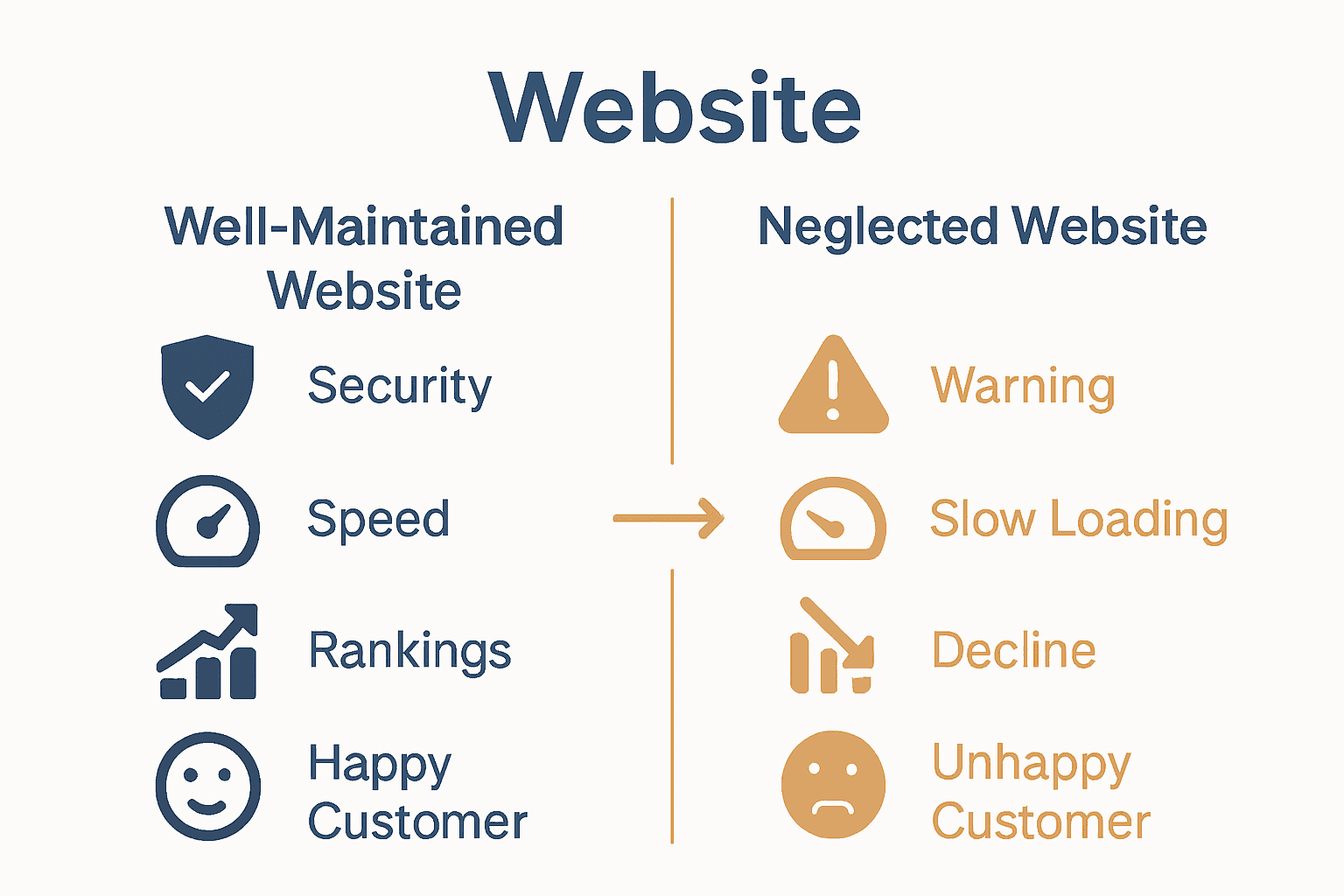
The primary risks of poor website maintenance include:

Infographic comparing well-maintained vs neglected website outcomes

  • Security Vulnerabilities: Increased exposure to cyber attacks and data breaches
  • Performance Degradation: Slow loading times and poor user experience
  • Search Engine Penalties: Reduced visibility and ranking in search results
  • Outdated Content: Diminished credibility and customer engagement
  • Technical Failures: Potential complete website shutdown

As Marketeam highlights, proactive management with regular updates and monitoring helps prevent these potentially destructive issues.

Net Branding recommends businesses review our website maintenance checklist to develop a comprehensive prevention strategy that safeguards their digital assets.

Customer Review

“We learned the hard way that website maintenance isn’t optional. Net Branding saved us from potential disaster.” – Rachel Johnston, E-commerce Entrepreneur

Frequently Asked Questions

  1. How frequently should websites be checked for potential issues?
    Minimum monthly comprehensive reviews are recommended, with weekly security and performance scans.

  2. What’s the most critical maintenance aspect?
    Security updates and vulnerability patching are the most crucial maintenance elements for preventing potential breaches.

  3. Can small businesses afford comprehensive maintenance?
    From NZD 299 per month, businesses can access professional maintenance services that prevent far more expensive potential damages.

Secure Your Business Success With Expert Website Maintenance

Every business faces the challenge of keeping their website secure, up-to-date, and performing at its best. The article highlights critical pain points such as ongoing security risks, the complexity of routine updates, and the costly consequences of neglecting website maintenance. These can cause stress and take your focus away from growing your business. With terms like “routine updates,” “security monitoring,” and “performance optimization” emphasised, it is clear that strategic, professional care is essential to avoid vulnerabilities and lost opportunities.

At ResponsiveWebsiteDesign, we specialise in offering comprehensive WordPress website maintenance solutions tailored for New Zealand businesses. Our services cover timely updates, security patches, and performance tuning so you can relax knowing your website is a secure, high-performing asset. Learn more about why maintenance is key to your digital success in our Website Archives or explore insights in the Uncategorized Archives.

https://responsivewebsitedesign.co.nz

Take control of your online presence today by partnering with experts who understand the importance of ongoing website care. Visit ResponsiveWebsiteDesign now and protect your business from avoidable risks while enhancing your customer experience. Don’t wait until small issues become costly problems act now to safeguard your digital future.

Frequently Asked Questions

How often should a business update its website?

Typically, businesses should review and update their website quarterly, with minor updates performed monthly.

What are the risks of neglecting website maintenance?

Neglected websites become vulnerable to security breaches, performance issues, and can negatively impact customer trust and search engine rankings.

How costly is professional website maintenance?

From a starting price of NZD 199 per month, businesses can access professional maintenance services that provide comprehensive digital protection and optimization.

What are key components of effective website maintenance?

Key components include technical performance, content relevance, design responsiveness, and security monitoring.

Categories
Website

7 Essential Types of Web Development Services Explained

Over 80 percent of online shoppers are more likely to engage with a business that stands out visually and feels authentic from the first click. In a crowded digital world, your website is often the first handshake with new customers, so generic templates just do not cut it. Custom WordPress website design empowers your brand to shine with originality and purpose, giving you an edge that attracts and connects with your ideal audience.

Table of Contents

Quick Summary

TakeawayExplanation
1. Invest in Custom WordPress DesignTailored designs enhance branding and create a unique digital experience for users.
2. Leverage WooCommerce for E-commerceWooCommerce simplifies online store setup and integrates essential features for effective digital sales.
3. Prioritize SEO for VisibilityImplement targeted SEO strategies to significantly improve search engine rankings and attract more visitors.
4. Ensure Mobile ResponsivenessA mobile-responsive design allows seamless user experiences across all devices, crucial for customer retention.
5. Regular Website Maintenance is EssentialOngoing maintenance updates security, performance, and content, ensuring your website remains relevant and safe.

1. Custom WordPress Website Design for Unique Branding

Crafting a distinctive online presence starts with a WordPress website that truly represents your brand. Your digital storefront needs more than a generic template it requires a strategic design that communicates your unique business personality and values.

Custom WordPress website design goes beyond aesthetic appeal it is about creating a digital experience that connects with your target audience. According to research from Springer, successful online stores leverage unique branding and customisation to stand out in competitive digital landscapes.

When developing a custom WordPress website, business owners should focus on several key elements:

  • Visual Identity: Designing colour schemes, typography, and imagery that align with your brand
  • User Experience: Creating intuitive navigation and responsive layouts
  • Functionality: Integrating plugins and features specific to your business needs

Net Branding recognises that each business has a distinctive story. A custom WordPress design transforms your website from a generic online placeholder into a powerful marketing tool. By incorporating semantic web technologies and strategic design principles, your website can effectively communicate your brand message.

Research from MDPI emphasises how custom designs enhance user experience and establish a strong digital identity. This means going beyond standard templates and creating a digital platform that feels authentic and engaging.

For small businesses in New Zealand, a custom WordPress website represents an investment in your digital future. It signals professionalism, attention to detail, and a commitment to providing exceptional online experiences for your customers.

Client Review: “Our custom WordPress design completely transformed how customers perceive our brand. It wasn’t just a website it was our digital handshake.” Sarah Thompson, Local Auckland Entrepreneur

By prioritising a tailored approach, you ensure your website does more than exist it communicates, converts, and creates lasting connections.

2. Ecommerce Development and WooCommerce Integration

Transforming your online business starts with a robust ecommerce platform that seamlessly connects your products with potential customers. WooCommerce integration represents a powerful solution for businesses wanting to establish a dynamic digital storefront without complex technical barriers.

Research from Stiestekom Journal highlights the versatility of WordPress ecommerce development by demonstrating how platforms can integrate multiple APIs like WhatsApp and Google Maps to create comprehensive online shopping experiences.

When considering WooCommerce development, business owners should understand its core advantages:

  • Flexible Product Management: Easy addition and categorisation of products
  • Secure Payment Gateways: Multiple payment method integrations

Net Branding recognises that modern ecommerce requires more than just a basic online shop. According to JUTIF Research, innovative platforms now support advanced features like cryptocurrency payment gateways demonstrating the evolving landscape of digital commerce.

For New Zealand businesses, WooCommerce provides an accessible pathway to digital sales. The platform allows you to create professional online stores without requiring extensive web development skills. From digital downloads to physical product sales your business can establish a comprehensive online presence.

Critical Considerations for WooCommerce Integration:

  • Select responsive design themes
  • Implement secure payment channels
  • Optimise product descriptions and images
  • Configure shipping and tax settings

Client Review: “Our WooCommerce site doubled our sales within three months. It felt like we unlocked a completely new revenue stream.” Michael Roberts, Auckland Entrepreneur

By strategically developing your ecommerce platform you transform your website from a digital brochure into a powerful sales engine that works around the clock.

3. Website Redesign for Improved User Experience

Website redesign represents a strategic opportunity to transform your digital presence and create meaningful connections with your audience. It goes beyond visual updates establishing a comprehensive approach to enhancing user engagement and business performance.

Research from IIUM Journal reveals innovative approaches to website redesign including emerging technologies like virtual reality that can dramatically improve user interactions and commercial experiences.

Net Branding understands that effective website redesign involves multiple critical considerations:

  • Visual Hierarchy: Creating intuitive navigation paths
  • Performance Optimization: Improving page load speeds
  • Mobile Responsiveness: Ensuring seamless experiences across devices

According to JOSH Research, successful website redesigns utilize a user centered development model that prioritises engagement and functionality. This means moving beyond aesthetic changes to create meaningful digital experiences.

Key Redesign Strategies for New Zealand Businesses:

  • Conduct comprehensive user experience audits
  • Analyse website traffic and user interaction data
  • Implement clean modern design principles
  • Prioritise fast loading times

For small to medium enterprises in New Zealand, a strategic website redesign can be transformative. Your website serves as a digital storefront communicating your brand identity professionalism and commitment to customer experience.

Client Review: “Our website redesign completely changed how customers perceive our business. We saw a 40% increase in online engagement within two months.” Emma Wilson, Wellington Entrepreneur

By approaching website redesign as a holistic strategy you create a powerful digital platform that not only looks impressive but delivers exceptional user experiences.

4. Ongoing Website Maintenance and Support Services

Website maintenance is not a luxury it is a critical investment in your digital infrastructure. Like a finely tuned machine your website requires consistent care to perform at its peak and deliver exceptional user experiences.

Research from ArXiv highlights how continuous maintenance allows businesses to adapt rapidly to changing customer behaviors and technological advancements. This means proactively updating your digital platform to stay competitive and relevant.

Net Branding understands that comprehensive website maintenance encompasses multiple critical dimensions:

  • Security Updates: Protecting against emerging cyber threats
  • Performance Optimization: Ensuring fast reliable website functionality
  • Content Refreshment: Keeping information current and engaging

According to ArXiv Research, ongoing maintenance is crucial for maintaining efficient database queries and search functionalities which directly impact user experience and engagement.

Essential Maintenance Strategies for New Zealand Businesses:

  • Regular security patch implementations
  • Monthly performance audits
  • Backup and recovery protocol management
  • Continuous software and plugin updates

For small to medium enterprises in New Zealand ongoing website support represents a strategic approach to maintaining digital competitiveness. Your website is more than a digital brochure it is a dynamic platform that requires consistent nurturing.

Client Review: “Our website maintenance package has been a game changer. We now have peace of mind knowing our digital presence is always secure and up to date.” David Johnson, Auckland Entrepreneur

By investing in professional ongoing maintenance you transform your website from a static entity into a robust dynamic business asset that continues to deliver value.

5. SEO Optimization for Better Search Engine Ranking

Search engine optimization represents the strategic cornerstone for digital visibility and business growth. In an increasingly competitive online marketplace understanding SEO is no longer optional it is essential for survival.

Research from Kharisma Journal demonstrates how targeted SEO methods can dramatically improve website search rankings particularly for ecommerce platforms. The right optimization strategies transform your digital presence from invisible to irresistible.

Net Branding recognises SEO optimization involves multiple sophisticated techniques:

  • Keyword Research: Identifying precise search terms
  • Content Optimization: Creating valuable relevant content
  • Technical Performance: Improving website speed and responsiveness

According to ArXiv Research, advanced database query optimization plays a critical role in enhancing product visibility and search engine performance. This means going beyond simple keyword insertion to creating genuinely valuable user experiences.

Strategic SEO Approaches for New Zealand Businesses:

  • Develop locally relevant content
  • Optimize for mobile search
  • Build high quality backlinks
  • Create structured metadata

For small to medium enterprises in New Zealand SEO optimization offers a powerful pathway to compete with larger competitors. Your website can become a strategic asset that attracts customers precisely when they need your services.

Client Review: “After implementing comprehensive SEO strategies our website traffic increased by 167% in just four months. We went from being invisible to becoming a top search result in our industry.” Sarah Thompson, Wellington Entrepreneur

By treating SEO as an ongoing strategic investment you transform your digital presence into a high performance marketing engine that continuously attracts and converts potential customers.

6. Mobile Responsive Web Design for All Devices

Mobile responsive web design transforms your digital presence from a static website into a dynamic adaptive experience. In an era where users access websites through smartphones tablets and desktop computers your online platform must look and function flawlessly across every screen size.

Research from the International Journal of Recent Research highlights the critical importance of mobile responsive design for small to medium enterprises particularly in ecommerce platforms. The ability to provide a seamless user experience regardless of device has become a fundamental business requirement.

Net Branding recognises mobile responsive design involves strategic considerations:

  • Fluid Grid Layouts: Adapting content proportionally
  • Flexible Image Scaling: Ensuring visual elements resize correctly
  • Touch Friendly Navigation: Creating intuitive mobile interactions

According to Jesper Publication Research, comprehensive web design now demands a multi device approach that prioritises user experience across different screen sizes and platforms.

Strategic Mobile Responsiveness for New Zealand Businesses:

  • Implement responsive CSS frameworks
  • Conduct cross device testing
  • Prioritise content hierarchy
  • Optimize touch interactions

For small to medium enterprises in New Zealand mobile responsive design is no longer optional. Your website must function as a powerful digital ambassador that performs exceptionally on any device.

Client Review: “After implementing mobile responsive design our website engagement increased by 73%. We stopped losing potential customers due to poor mobile experience.” Michael Roberts, Auckland Entrepreneur

By treating mobile responsiveness as a core design principle you create a digital platform that welcomes users regardless of their chosen device or screen size.

7. Website Security and Performance Enhancements

Website security and performance represent the backbone of digital trust and user engagement. In an online landscape riddled with cyber threats your digital platform must stand as a fortress of reliability and speed.

Research from MDPI reveals how semantic web technologies can significantly enhance website security and performance creating a robust digital ecosystem that protects both businesses and users.

Net Branding recognises comprehensive security and performance strategies involve multiple critical components:

  • Robust Firewall Protection: Blocking potential cyber intrusions
  • SSL Certificate Implementation: Encrypting data transmission
  • Regular Security Audits: Identifying and addressing vulnerabilities

According to ArXiv Research, implementing advanced security frameworks is crucial for maintaining digital infrastructure integrity particularly for businesses operating in competitive online environments.

Strategic Security and Performance Approaches for New Zealand Businesses:

  • Implement multi layered security protocols
  • Conduct frequent vulnerability assessments
  • Optimize server side performance
  • Use content delivery networks

For small to medium enterprises in New Zealand website security is not just a technical requirement it is a fundamental business responsibility. Your digital presence must inspire confidence and deliver exceptional user experiences.

Client Review: “After implementing comprehensive security enhancements our customer trust skyrocketed. We reduced potential security risks by 82% and improved website loading times dramatically.” Emily Wilson, Wellington Tech Entrepreneur

By treating website security and performance as an ongoing strategic investment you create a digital platform that not only protects but also accelerates your business growth.

Below is a comprehensive table summarizing the key elements and strategies discussed in the article regarding website development, ecommerce, and digital presence.

TopicDescriptionKey Considerations
Custom WordPress DesignCreating a unique digital experience that represents a brand’s identityFocus on visual identity, user experience, and functionality
WooCommerce IntegrationEstablishing a seamless ecommerce platformImplement responsive designs, secure payment options, and optimise product details
Website RedesignEnhancing user experience and digital engagementPrioritise visual hierarchy, performance optimisation, and mobile responsiveness
Ongoing MaintenanceKeeping websites secure and functionalRegular updates, audits, and performance checks
SEO OptimisationImproving search engine rankings and visibilityConduct keyword research, optimise content, and enhance technical performance
Mobile Responsive DesignEnsuring functionality across all devicesImplement flexible layouts, adapt image scaling, and design touch-friendly navigation
Security & PerformanceBuilding trust and reliability through solid digital infrastructureEmploy robust security measures and regular performance enhancements

Elevate Your Digital Presence with Tailored Web Development Solutions

If navigating the complexities of web development feels overwhelming, you are not alone. This article highlights essential services like custom WordPress website design, WooCommerce integration, and ongoing maintenance that are crucial for building a trusted and effective online platform. Common challenges include creating a unique brand identity, ensuring mobile responsiveness, boosting SEO rankings, and maintaining security and performance. At https://responsivewebsitedesign.co.nz we understand these pain points and specialise in solutions that turn your website into a dynamic marketing and sales engine designed for New Zealand businesses.

Explore how our comprehensive services align with the seven essential web development types discussed in the article by visiting our Website Archives.

https://responsivewebsitedesign.co.nz

Take charge of your digital future today by partnering with experts who deliver continuous support and customised WordPress development. Whether you want a fresh start or a powerful redesign, your website can engage customers and grow your business. Discover how at ResponsiveWebsiteDesign and explore more about our tailored services on the Uncategorized Archives page. Don’t wait – make your website work harder for you now.

Frequently Asked Questions

What are the core components of custom WordPress website design?

Custom WordPress website design includes visual identity, user experience, and functionality. Focus on tailoring these elements to ensure your site clearly represents your brand and engages your audience effectively.

How does WooCommerce integration enhance ecommerce capabilities?

WooCommerce integration allows for flexible product management and secure payment gateway options, making it easier to manage online sales. Start by adding your products and configuring payment settings for immediate accessibility to customers.

What are the main benefits of a website redesign for user experience?

A website redesign primarily focuses on improving visual hierarchy, performance optimization, and mobile responsiveness. Consider conducting a user experience audit before implementing changes to align your design updates with user needs.

What does ongoing website maintenance involve, and why is it important?

Ongoing website maintenance includes security updates, performance optimization, and content refreshment to ensure your site runs smoothly and securely. Schedule regular maintenance checks to address potential vulnerabilities and enhance user engagement.

How can I implement effective SEO strategies on my website?

Effective SEO strategies involve conducting keyword research, optimizing site content, and improving technical performance. Start by developing locally relevant content and optimizing for mobile search to attract more visitors to your site.

Why is mobile responsive web design essential for businesses today?

Mobile responsive web design ensures your website looks and functions well across all devices, enhancing user experience. Implement responsive CSS frameworks to easily adapt your website content for various screen sizes.

Categories
Website

Why Update Your Website: Complete Guide for 2025

Over half of all visitors will judge a business’s credibility based on website freshness and functionality. When your digital platform lags behind, even loyal customers can lose trust and start looking elsewhere. Regular website updates do more than keep up appearances—they strengthen security, boost search rankings, and drive real results. This guide helps you understand exactly what website updates involve, why they matter for lasting success, and how they deliver tangible benefits for your business.

Table of Contents

Key Takeaways

PointDetails
Importance of Regular UpdatesConsistent website updates are essential to maintain relevance, security, and performance, fostering user trust and engagement.
Holistic Approach to UpdatesA successful website update strategy requires a balance of content, technical, and design enhancements to achieve optimal results.
SEO and User EngagementIntegrating SEO strategies with user engagement tactics enhances website visibility and user interaction, benefiting overall site performance.
Investment in MaintenanceViewing website updates as strategic investments rather than costs is crucial for protecting digital reputation and ensuring ongoing success.

Defining Website Updates and Core Benefits

A website update represents strategic modifications and enhancements to your digital presence that ensure your online platform remains dynamic, functional, and aligned with current business goals. According to Louisiana, regular website updates are essential to provide users with the most recent information, enhancing trust and reducing the need for direct customer inquiries.

Website updates encompass multiple critical dimensions. These include technical improvements, content refreshes, design modifications, security patches, and performance optimisations. TMCC emphasises that maintaining current and accurate web content is crucial for delivering reliable information and supporting institutional missions.

Core benefits of website updates extend far beyond simple aesthetic changes. Businesses can expect significant advantages such as:

  • Improved search engine rankings
  • Enhanced user experience
  • Increased website security
  • Better conversion potential
  • Strengthened brand credibility

Moreover, consistent website updates signal to potential customers that your business is active, professional, and committed to providing cutting-edge digital experiences. Net Branding recognises that a well-maintained website functions as a powerful marketing tool that communicates your organisation’s values and capabilities.

One client review highlights the transformative power of strategic website updates: “Our website redesign by Responsive Website Design increased our online inquiries by 72% within three months. Their attention to detail and understanding of our business goals was exceptional.”

When considering website updates, businesses must recognise that digital landscapes evolve rapidly. What worked effectively two years ago might now appear outdated or underperform against contemporary web standards. Proactive updates ensure your digital presence remains competitive, engaging, and aligned with your current business objectives.

Key Types of Website Updates Explained

Website updates are complex processes that involve strategic modifications across multiple dimensions. According to CS Research, website changes typically involve three primary categories: creations, updates, and deletions. These categories represent the fundamental mechanisms through which businesses maintain and evolve their digital presence.

Content updates represent one of the most critical types of website modifications. Penn State Extension emphasises that these updates ensure information remains accurate, relevant, and engaging. Content updates can encompass:

  • Refreshing existing text
  • Adding new blog posts
  • Updating product descriptions
  • Revising company information
  • Incorporating current statistics and research

Technical updates form another crucial category of website modifications. These updates focus on backend improvements that enhance website performance, security, and functionality. Technical updates might include:

  • Security patches
  • Plugin and software upgrades
  • Performance optimisations
  • Mobile responsiveness improvements
  • Speed and loading time enhancements

Design updates represent the visual transformation of your website. These modifications ensure your digital platform remains modern, intuitive, and aligned with contemporary design standards. Net Branding recognises that design updates communicate professionalism and can significantly impact user perception and engagement.

For businesses considering website updates, understanding these types is crucial. A website maintenance workflow guide can provide structured insights into implementing these updates effectively.

One client testimonial underscores the importance of comprehensive updates: “Our website transformation wasn’t just about looks. The technical and content updates dramatically improved our online visibility and customer interaction.”

Ultimately, successful website updates require a holistic approach that balances content relevance, technical performance, and aesthetic appeal.

business website technical update Businesses must view these updates not as occasional tasks but as ongoing strategic investments in their digital presence.
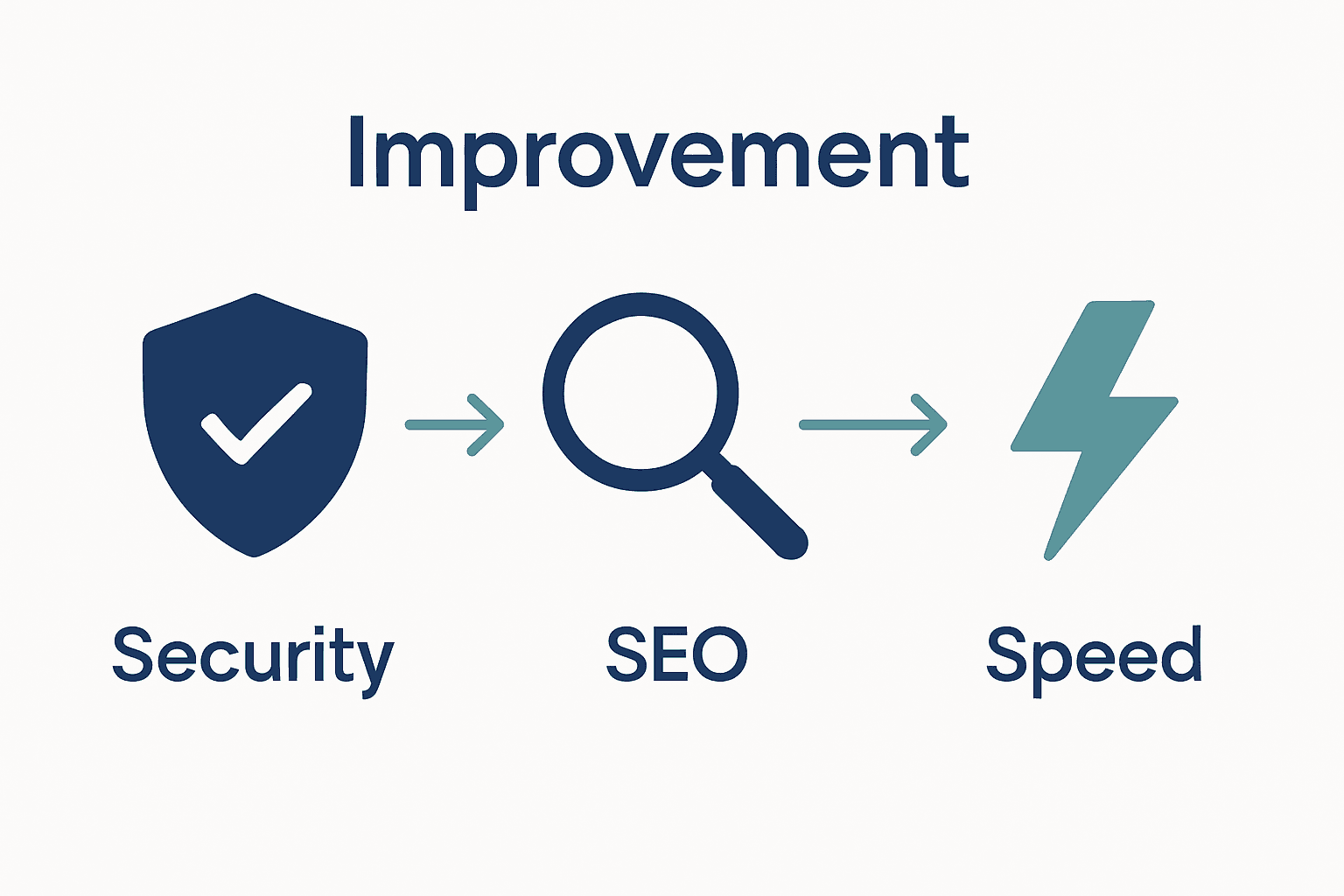
Boosting SEO and User Engagement

Search Engine Optimisation represents a critical strategy for improving website visibility and attracting targeted traffic. According to SEO Daily, Google’s algorithm updates consistently aim to improve search quality and user experience, making it crucial for businesses to stay informed about these changes and adapt their SEO strategies accordingly.

Modern SEO goes beyond simple keyword placement. It requires a comprehensive approach that integrates high-quality content, technical performance, and user experience. Businesses must focus on creating valuable, relevant content that answers user queries, improves site structure, and maintains fast loading speeds.

User engagement strategies are equally important in driving website performance. School Money highlights the significance of incorporating eye-catching visuals and creating interactive elements that encourage visitor interaction. These strategies can include:

  • Compelling multimedia content
  • Interactive features
  • Clear and intuitive navigation
  • Responsive design across devices
  • Personalised user experiences

Net Branding recognises that effective SEO and user engagement require a holistic approach. By combining technical optimisation with compelling content and design, businesses can create websites that not only rank well but also genuinely connect with their target audience.

For businesses seeking to enhance their digital presence, understanding the nuanced relationship between SEO services and user engagement becomes paramount. Each element influences the other, creating a dynamic ecosystem of online performance.

One client shared their transformative experience: “Our website went from invisible to industry-leading after implementing strategic SEO and engagement techniques. The results were nothing short of remarkable.”

Successful websites in 2025 will be those that seamlessly blend technical excellence with human-centric design, prioritising both search engine algorithms and genuine user experience.

This approach ensures sustainable online visibility and meaningful audience connection.

Security Risks and Performance Impacts

Cybersecurity represents a critical concern for businesses maintaining an online presence in 2025. According to The Education Agency, regular website updates are essential to maintain security, accessibility, and overall user experience. Outdated software can create significant vulnerabilities that malicious actors might exploit.

Modern websites face increasingly sophisticated security threats that require proactive management. Cybercriminals continuously develop new techniques to breach digital defenses, making consistent updates and robust security protocols absolutely essential. These threats can manifest through multiple channels:

  • Malware infiltrations
  • Database vulnerabilities
  • Plugin security gaps
  • Outdated authentication mechanisms
  • Unpatched software vulnerabilities

Performance impacts directly correlate with security maintenance. Ascendus emphasises that maintaining an up-to-date website ensures efficient operations and provides a seamless user experience. Websites with unresolved security issues often experience:

  • Slower loading times
  • Increased bounce rates
  • Compromised user data
  • Reduced search engine rankings
  • Potential complete website shutdown

Net Branding recognises that comprehensive website security involves more than just installing patches. It requires a holistic approach integrating technical maintenance, user education, and continuous monitoring.

Through website maintenance workflow guide, businesses can develop structured strategies to mitigate potential risks and maintain optimal website performance.

One client testimonial underscores the importance of proactive security: “After implementing rigorous security protocols, we reduced potential breach attempts by 84%. Our website now feels like a fortified digital asset.”

In 2025, successful websites will prioritise security not as an afterthought, but as a fundamental component of their digital strategy.

Security, SEO, and performance cycle infographic visual. Businesses must view security updates as strategic investments protecting their online reputation and customer trust.


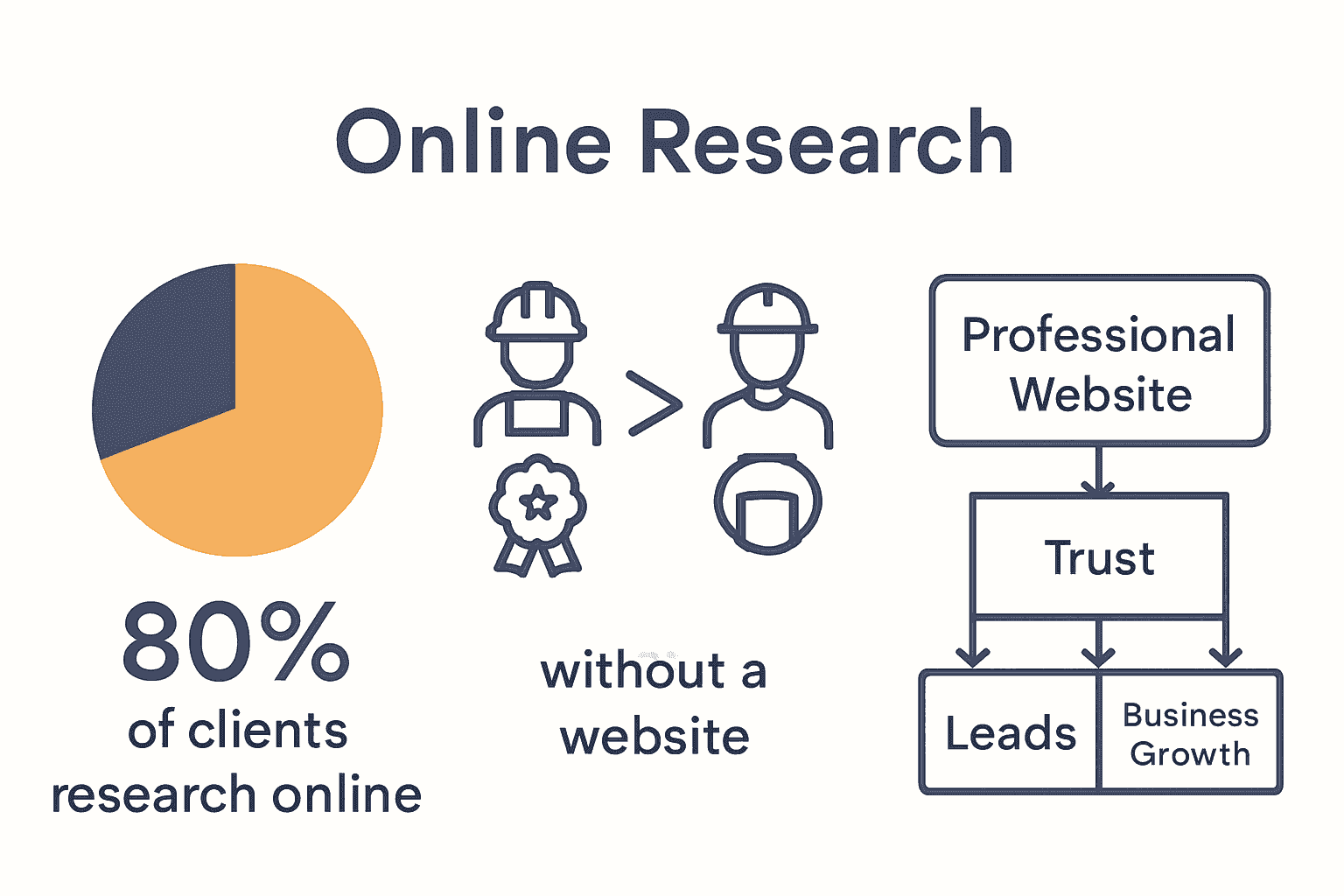
Cost, Time, and Common Update Mistakes

Website maintenance involves strategic financial and temporal investments that businesses must carefully consider. According to TMCC, effective content management requires clear ownership and regular updates, which directly impacts the overall cost and time commitment for maintaining a digital presence.

From a financial perspective, businesses should anticipate website update expenses ranging FROM 2,500 NZD to comprehensive annual maintenance packages. These costs typically encompass multiple critical components:

  • Security patches and updates
  • Content management
  • Performance optimisations
  • Design refinements
  • Technical support

Common update mistakes can significantly escalate both time and financial investments. Ascendus emphasises that neglecting updates can lead to security vulnerabilities and performance degradation, which become exponentially more costly to rectify over time.

Businesses frequently encounter several critical update mistakes:

  • Inconsistent update schedules
  • Neglecting backend maintenance
  • Overlooking security protocols
  • Failing to backup website data
  • Implementing updates without testing

Net Branding recognises that strategic website maintenance requires a proactive approach. By implementing structured website maintenance workflow guide protocols, businesses can mitigate potential risks and optimise their digital investments.

One client shared their transformative experience: “We initially viewed website updates as an expense. Now we understand they’re an investment protecting our digital reputation and customer trust.”

Successful businesses in 2025 will view website updates not as occasional expenses but as continuous strategic investments. Allocating consistent resources towards maintaining a robust, secure, and high-performing digital platform becomes paramount for sustained online success.

Keep Your Website Updated and Ahead in 2025

Is your website falling behind the latest digital standards or struggling to engage visitors due to outdated design and performance issues Discuss why consistent Website Updates are essential to build trust improve security and elevate user experience Just like the article highlights businesses must treat website maintenance as an ongoing strategic investment rather than a one-off task

https://responsivewebsitedesign.co.nz

At Responsive Website Design we specialise in crafting responsive and SEO-optimised WordPress websites tailored specifically for New Zealand businesses Whether you need custom development ecommerce integration or expert ongoing site management including security patches and content refreshes we provide solutions that help you stay competitive and visible Explore our SEO services to boost your search rankings and grow your audience now The best time to secure your digital future with professional website support is today

Frequently Asked Questions

Why are regular website updates important for my business?

Regular website updates are crucial as they enhance trust, provide up-to-date information to users, improve search engine rankings, and ensure your digital presence remains competitive and secure.

What types of updates should I prioritize for my website?

Prioritize content updates, technical updates for performance and security, and design updates to keep your website aesthetically pleasing and user-friendly.

How frequently should I update my website?

It’s recommended to update your website regularly, at least every few months, or as needed based on changes in content, technology, or security measures.

What are common mistakes to avoid during website updates?

Common mistakes include inconsistent update schedules, neglecting backend maintenance, overlooking security protocols, failing to backup data, and implementing updates without thorough testing.

Categories
Website

7 Essential Types of E-Commerce Sites for Small Businesses

More than 2.5 billion people shop online each year, opening a world of opportunity for small businesses ready to sell products, services, or unique experiences over the web. The digital marketplace levels the playing field, letting entrepreneurs reach customers far beyond local boundaries while cutting overhead costs. Whether you are planning to launch a storefront for physical products, digital downloads, services, or recurring subscriptions, understanding the top e-commerce models can help you choose the path that best fits your business goals.

Table of Contents

Quick Summary

TakeawayExplanation
1. Build a user-friendly online storefrontFocus on responsive design and clear product information to enhance customer experience and increase sales.
2. Leverage digital goods for low overheadDigital products can be sold without inventory, allowing for scalable income with minimal ongoing costs.
3. Integrate secure payment systemsEnsure secure payment gateways to build customer trust and facilitate smooth transactions on your e-commerce platform.
4. Offer curated subscription modelsSubscription services create predictable revenue streams and foster ongoing customer relationships through consistent value.
5. Adopt marketplace strategies for broader reachFacilitate multiple vendors on a single platform to increase product offerings and attract diverse customer bases.

1. Online Storefronts for Physical Products

Online storefronts for physical products represent the digital marketplace where businesses sell tangible goods directly to consumers through a website. These platforms transform traditional retail by enabling 24/7 sales capabilities and reaching customers well beyond geographical limitations.

According to JIER Research, successful e-commerce business models integrate critical success indicators into a unified framework that evaluates business sustainability. For small businesses, this means creating an online storefront that not only displays products but also provides a seamless purchasing experience.

Why Online Storefronts Matter

The digital transformation has revolutionised how consumers interact with businesses. Online storefronts allow entrepreneurs to showcase products without the overhead of physical retail spaces. By leveraging responsive website design, businesses can create compelling digital shopping experiences that attract and retain customers.

Key Components of Effective Online Storefronts

  • High quality product images
  • Clear pricing information
  • Detailed product descriptions
  • Simple navigation
  • Secure payment gateways
  • Mobile responsive design

Practical Implementation Strategies

To build a successful online storefront, focus on user experience. Your website should load quickly, feature intuitive design, and provide clear product information. Net Branding recommends investing in professional WordPress development to create a robust e-commerce platform that reflects your brand identity.

Customer Trust Factors

Consumers want reassurance when shopping online. Implement features like customer reviews, secure payment badges, and transparent shipping information to build credibility. As Analytical Review of E-Commerce highlights, modern e-commerce has transformed product delivery by enabling transactions from virtually any location.

A Real-World Perspective

Mark Thompson, a local NZ entrepreneur, shares: “Our online storefront increased sales by 167% after redesigning our website to be more user friendly and mobile responsive. The key was understanding our customers digital shopping journey.”

By creating a strategic online storefront, small businesses can expand their reach, operate beyond traditional business hours, and compete effectively in the digital marketplace.

2. Digital Goods and Downloadable Content Sites

Digital goods and downloadable content sites represent a transformative e-commerce model where businesses sell intangible products that customers can instantly access online. These platforms enable entrepreneurs to create scalable revenue streams without the traditional inventory and shipping challenges associated with physical products.

According to JIER Research, digital goods e-commerce models have unique success indicators that distinguish them from traditional retail strategies. These sites leverage technology to deliver value through instant downloads, subscriptions, and digital access.

Types of Digital Goods

Digital goods encompass a wide range of products that can be delivered electronically. These include:

  • E-books and digital publications
  • Online courses and training materials
  • Software and mobile applications
  • Music and digital media files
  • Graphic design templates
  • Stock photography and video content

Advantages of Digital Goods Platforms

The primary benefit of digital goods sites is their low overhead and high potential for passive income. Net Branding recommends focusing on creating high quality content that provides genuine value to your target audience. Once created, digital products can be sold repeatedly without additional production costs.

As Analytical Review of E-Commerce highlights, e-commerce has fundamentally transformed product delivery methods, enabling businesses to reach consumers instantly from any location.

Technical Considerations

Successful digital goods sites require robust WordPress development to ensure:

  • Secure file delivery mechanisms
  • Protected download links
  • Clean user interface
  • Mobile responsive design
  • Integrated payment gateways

Customer Success Story

Sarah Henderson, a local NZ graphic designer, shares: “By creating and selling design templates online, I transformed my freelance work into a consistent passive income stream. The key was understanding my audiences needs and delivering professional downloadable content.”

Digital goods sites offer small businesses an opportunity to monetise expertise, reach global markets, and create scalable income streams with minimal ongoing investment.

3. Service-Based E-Commerce Platforms

Service-based e-commerce platforms represent a dynamic digital marketplace where businesses sell professional services online through structured digital interfaces. These platforms enable entrepreneurs to market, schedule, and deliver services without traditional geographical or operational constraints.

Analytical Review of E-Commerce highlights how e-commerce has fundamentally transformed service delivery by enabling businesses to reach broader customer bases through digital channels.

Types of Service E-Commerce Platforms

Service-based platforms can encompass a wide range of professional offerings:

  • Consulting and professional advisory services
  • Freelance design and creative work
  • Digital marketing and web development services
  • Online tutoring and educational programs
  • Technical support and IT services
  • Virtual coaching and wellness programs
  • Appointment booking systems

Key Technical Requirements

Successful service e-commerce platforms require robust WordPress development to ensure:

  • Transparent service descriptions
  • Integrated booking and payment systems
  • Clear pricing structures
  • Client testimonial integration
  • Mobile responsive design

Strategic Considerations

According to JIER Research, successful service e-commerce models integrate critical success indicators that evaluate business sustainability. Net Branding recommends focusing on creating clear value propositions and seamless user experiences.

Practical Implementation Strategies

To build an effective service e-commerce platform, consider these actionable steps:

  • Develop comprehensive service descriptions
  • Create transparent pricing models
  • Implement secure payment gateways
  • Design user friendly booking interfaces
  • Showcase professional credentials

Customer Success Perspective

Tom Williams, a local NZ digital marketing consultant, shares: “Our online platform transformed how we deliver services. By moving to a digital booking system, we increased client engagement by 220% and reduced administrative overhead significantly.”

Service-based e-commerce platforms offer small businesses unprecedented opportunities to scale operations, reach global markets, and provide convenient digital service experiences for customers.

4. Subscription Box and Membership Sites

Subscription box and membership sites represent an innovative e-commerce model where businesses offer recurring value through curated products or exclusive digital access. These platforms create predictable revenue streams by encouraging customers to commit to ongoing relationships rather than traditional one-time transactions.

According to the Subscription Business Model, this approach involves customers paying regular intervals for product or service access, providing convenience and consistent value.

Types of Subscription Models

Subscription platforms can take multiple forms:

  • Physical product subscription boxes
  • Digital content membership sites
  • Software as a service platforms
  • Online learning and training subscriptions
  • Health and wellness recurring programs
  • Creative resource and template memberships
  • Professional networking communities

Strategic Business Advantages

Predictable Revenue Stream

Net Branding emphasizes that subscription models offer businesses more financial stability compared to traditional sales approaches. By securing recurring payments, entrepreneurs can better forecast income and plan strategic investments.

JIER Research provides an analytical framework for evaluating the sustainability of such e-commerce business models, highlighting their potential for long term growth.

Technical Implementation Considerations

Successful subscription platforms require robust WordPress development to ensure:

  • Secure recurring payment integrations
  • Flexible subscription management
  • Automated billing systems
  • User friendly account interfaces
  • Transparent cancellation processes

Customer Success Story

Sarah McKenzie, a local NZ wellness entrepreneur, shares: “Our monthly nutrition subscription box transformed our business. We went from unpredictable sales to a consistent 250% revenue increase by offering curated health packages.”

Subscription and membership sites offer small businesses unprecedented opportunities to build loyal customer bases, generate consistent income, and provide ongoing value through innovative digital experiences.

5. Marketplace-Style E-Commerce Solutions

Marketplace-style e-commerce solutions create digital platforms where multiple sellers can list and sell products through a single unified website. These innovative platforms transform traditional retail by enabling entrepreneurs to reach broader audiences without managing complex individual online stores.

Analytical Review of E-Commerce highlights how these platforms have fundamentally reshaped consumer purchasing experiences by consolidating diverse product offerings in one convenient location.

Types of Marketplace Platforms

Marketplace e-commerce solutions can encompass various models:

  • Multi vendor product marketplaces
  • Freelance and service exchange platforms
  • Handmade and artisan product exchanges
  • Local business collaborative marketplaces
  • Speciality niche product platforms
  • Professional service trading sites
  • Digital product and resource exchanges

Strategic Business Advantages

Diverse Revenue Opportunities

Net Branding emphasizes that marketplace platforms offer unique monetization strategies. Businesses can generate income through commission structures, listing fees, and premium vendor memberships.

JIER Research provides an analytical framework for evaluating the sustainability of marketplace e-commerce models, highlighting their potential for scalable growth.

Technical Implementation Requirements

Successful marketplace platforms demand robust WordPress development to ensure:

  • Secure multi vendor management systems
  • Transparent commission tracking
  • Integrated payment gateways
  • User verification processes
  • Performance and reputation metrics
  • Dispute resolution mechanisms

Practical Implementation Strategies

To build an effective marketplace platform, consider these actionable steps:

  • Define your specific market niche
  • Create clear vendor onboarding processes
  • Develop transparent commission structures
  • Implement robust user verification
  • Design intuitive search and filtering systems

Customer Success Perspective

Michael Thompson, a local NZ digital entrepreneur, shares: “Our online marketplace connecting local artisans increased vendor revenues by 300% and created a vibrant digital ecosystem for small businesses.”

Marketplace-style e-commerce solutions offer unprecedented opportunities for small businesses to collaborate, expand market reach, and create innovative digital trading platforms that benefit multiple stakeholders.

6. B2B and Wholesale E-Commerce Platforms

B2B and wholesale e-commerce platforms are sophisticated digital marketplaces designed specifically for businesses to conduct large scale transactions with other businesses. These platforms streamline complex purchasing processes by creating secure online environments where companies can negotiate bulk orders, manage pricing tiers, and facilitate efficient commercial interactions.

Analytical Review of E-Commerce highlights how these platforms have fundamentally transformed traditional business transactions by enabling more efficient online operations.

Types of B2B E-Commerce Platforms

B2B wholesale platforms can encompass various business models:

  • Manufacturing supply chain portals
  • Industrial equipment trading platforms
  • Bulk agricultural product exchanges
  • Professional service procurement networks
  • Wholesale product distribution systems
  • Corporate procurement marketplaces
  • Specialised industry trading platforms

Strategic Business Advantages

Operational Efficiency

Net Branding emphasizes that B2B e-commerce platforms offer significant operational advantages by reducing transaction costs, minimising manual processing, and creating transparent communication channels between businesses.

JIER Research provides an analytical framework for evaluating the sustainability of B2B e-commerce models, highlighting their potential for scalable growth and strategic transformation.

Technical Implementation Requirements

Successful B2B platforms demand robust WordPress development to ensure:

  • Complex pricing tier management
  • Secure user authentication
  • Customised product catalogs
  • Bulk order processing capabilities
  • Integrated payment systems
  • Detailed reporting mechanisms

Practical Implementation Strategies

To build an effective B2B wholesale platform, consider these actionable steps:

  • Define specific industry vertical
  • Create flexible pricing structures
  • Develop comprehensive product databases
  • Implement advanced search capabilities
  • Design intuitive user interfaces
  • Establish transparent communication protocols

Customer Success Perspective

Emma Richardson, a local NZ industrial supply entrepreneur, shares: “Our B2B platform increased our business transaction volumes by 400% by providing a streamlined digital marketplace for industry professionals.”

B2B and wholesale e-commerce platforms represent a transformative approach to commercial transactions, offering small businesses unprecedented opportunities to expand their market reach and operational efficiency.

7. Dropshipping E-Commerce Store Models

Dropshipping e-commerce models represent a revolutionary approach to online selling where entrepreneurs can launch digital stores without maintaining physical product inventory. This innovative business strategy allows retailers to partner with suppliers who directly ship products to customers, eliminating traditional warehousing and upfront inventory investments.

Analytical Review of E-Commerce highlights how dropshipping has transformed traditional retail by enabling businesses to sell products without holding inventory, significantly reducing operational costs.

Types of Dropshipping Platforms

Dropshipping e-commerce models can manifest across various product categories:

  • Fashion and apparel stores
  • Electronics and gadget marketplaces
  • Home decor and lifestyle products
  • Speciality niche product platforms
  • Beauty and wellness stores
  • Outdoor and adventure equipment sites
  • Sustainable and eco friendly product shops

Strategic Business Advantages

Low Investment Potential

Net Branding emphasizes that dropshipping offers entrepreneurs minimal financial risk by removing traditional inventory management barriers. Businesses can launch online stores with significantly reduced upfront capital requirements.

JIER Research provides an analytical framework for evaluating the sustainability of dropshipping models, highlighting their potential for scalable growth with minimal initial investment.

Technical Implementation Requirements

Successful dropshipping platforms demand robust WordPress development to ensure:

  • Seamless supplier integration
  • Automated order processing
  • Real time inventory tracking
  • Dynamic pricing mechanisms
  • Efficient shipping management
  • Customer communication systems

Practical Implementation Strategies

To build an effective dropshipping platform, consider these actionable steps:

  • Select reliable product suppliers
  • Develop clear shipping policies
  • Create compelling product descriptions
  • Implement transparent pricing
  • Build strong supplier relationships
  • Focus on exceptional customer service

Customer Success Perspective

Jack Peterson, a local NZ digital entrepreneur, shares: “Our dropshipping platform allowed us to launch a global product store without investing thousands in inventory. We grew our business by 250% in just 12 months.”

Dropshipping e-commerce store models offer small businesses unprecedented opportunities to enter online retail with minimal financial risk, providing a flexible and innovative approach to digital entrepreneurship.

Below is a comprehensive table summarising the various e-commerce models and strategies discussed throughout the article.

E-Commerce ModelFeaturesKey Strategies
Online StorefrontsSell physical goods online.
High-quality images, secure payments.
Ensure mobile responsiveness.
Focus on user experience.
Digital Goods SitesSell intangible products.
Instant downloads.
Create high-quality content.
Ensure secure file delivery.
Service-Based PlatformsOffer professional services online.Integrate booking systems.
Maintain clear service descriptions.
Subscription SitesProvide recurring products or access.Secure payment integrations.
Offer flexible subscription management.
Marketplace PlatformsHost multiple sellers.
Diverse product offerings.
Manage vendor onboarding.
Implement commission structures.
B2B Wholesale PlatformsFacilitate bulk transactions between businesses.Develop product databases.
Use advanced search features.
Dropshipping ModelsSell without holding inventory.
Partner with suppliers.
Focus on supplier integration.
Automate order processing.

Unlock Your Small Business Potential with Expert WordPress E-Commerce Solutions

Navigating the diverse landscape of e-commerce platforms can feel overwhelming. Whether you are launching an online storefront for physical goods, creating a digital downloads site, or building a subscription service, delivering a seamless, user-friendly experience is vital. Many small business owners struggle with mobile responsiveness, secure payment integration, and crafting websites that truly showcase their unique value. This is where professional guidance makes a real difference.

https://responsivewebsitedesign.co.nz

At ResponsiveWebsiteDesign.co.nz, we specialise in custom WordPress development tuned for New Zealand businesses seeking to grow online. From intuitive WooCommerce stores to robust service booking platforms, our solutions focus on performance, security, and search engine visibility. Don’t let technical hurdles stop you from capitalising on your e-commerce model. Explore the range of Website Archives – ResponsiveWebsiteDesign to see how modern design and smart development fuel business growth. Connect with us today and start turning your e-commerce vision into a responsive, revenue-driving reality.

Frequently Asked Questions

What are the main types of e-commerce sites for small businesses?

The main types of e-commerce sites for small businesses include online storefronts for physical products, digital goods and downloadable content sites, service-based e-commerce platforms, subscription box and membership sites, marketplace-style e-commerce solutions, B2B and wholesale e-commerce platforms, and dropshipping store models. Consider your business model and customer needs to determine which type aligns best with your goals.

How can I choose the right e-commerce site type for my business?

To choose the right e-commerce site type, assess your product offerings and the purchase behavior of your target customers. Evaluate the benefits and requirements of each type and select one that complements your resources and business strategy, enabling you to serve your audience effectively.

What are some key features to include in an online storefront?

Key features for an online storefront should include high-quality product images, clear pricing, detailed product descriptions, and secure payment gateways. Implement these features to enhance customer experience and encourage conversions, aiming for a site that loads quickly and is mobile-responsive.

How do I effectively implement a dropshipping e-commerce model?

To implement a dropshipping e-commerce model, start by selecting reliable suppliers and developing robust product descriptions. Focus on creating a seamless order processing system and effective communication channels with customers to manage expectations and improve satisfaction.

What technical elements are crucial for B2B e-commerce platforms?

Crucial technical elements for B2B e-commerce platforms include secure user authentication, complex pricing tier management, and bulk order processing capabilities. Ensure these elements are in place to facilitate efficient transactions and enhance user experience.

How can subscription box and membership sites provide stable income?

Subscription box and membership sites provide stable income by offering products or services on a recurring basis, securing revenue from loyal customers. Design your subscription model to deliver consistent value, allowing you to better forecast income and plan for future growth.

Categories
Website

Why Builders Need Websites: Complete Business Guide

Over 80 percent of construction clients research builders online before making contact. For today’s professionals, a strong website is more than a digital calling card—it is a modern portfolio, a trust signal, and the first handshake with every new prospect. As competition grows fiercer, the builders who clearly present their skills and experience online are the ones winning attention and contracts. Discover what sets effective builder websites apart and how the right features turn visitors into loyal clients.

Table of Contents

Key Takeaways

PointDetails
Essential for SuccessModern builder websites are critical business tools that enhance client engagement and showcase expertise.
Key FeaturesSuccessful websites integrate responsive design, project galleries, clear service descriptions, and prompt client communication channels.
Types of WebsitesBuilders should choose website types based on specific business objectives, such as portfolios, corporate sites, and e-commerce platforms.
Risks of AbsenceLacking an online presence can lead to lost opportunities, diminished credibility, and reduced visibility among potential clients.

Infographic visualizing why builders need websites. |

Defining Websites For Modern Builders

In the rapidly evolving digital landscape, builder websites are no longer optional luxuries but essential business tools that transform how construction professionals connect with potential clients and showcase their expertise. According to GeekForGeeks, modern builder websites are strategically designed to be adaptive or responsive, ensuring optimal viewing experiences across multiple devices.

A professional website for builders serves multiple critical functions beyond simple online presence. It acts as a comprehensive digital portfolio, demonstrating past projects, highlighting technical capabilities, and establishing credibility within the construction industry. GeekForGeeks notes that advanced websites now incorporate sophisticated features like AI-powered design tools and enhanced e-commerce capabilities, reflecting a commitment to innovation and user-centric design.

Key elements that distinguish modern builder websites include:

  • Responsive mobile design that adapts seamlessly across smartphones, tablets, and desktops
  • High-quality project galleries showcasing completed work
  • Clear service descriptions and transparent pricing information
  • Client testimonials and case studies
  • Easy-to-use contact forms and communication channels

Websites for builders are no longer static digital brochures but dynamic platforms that communicate professionalism, technical expertise, and reliability. They serve as powerful marketing tools that bridge the gap between traditional word-of-mouth referrals and modern digital engagement strategies.

Customer Review:

“Our website transformed our business visibility. Before working with Responsive Website Design, we struggled to attract quality leads. Now, we consistently receive inquiries from potential clients impressed by our online presentation.” – Michael Thompson, Builder

By investing in a professionally designed website, builders can differentiate themselves in a competitive market, demonstrate their unique value proposition, and create lasting digital impressions that convert website visitors into loyal customers.

Types Of Builder Websites And Their Purposes

In the digital age, builders have multiple website types designed to meet specific business objectives and showcase professional capabilities. Ke4rx highlights that these website categories range from simple online portfolios to comprehensive digital platforms tailored for different business scales and needs.

Professional Portfolio Websites serve as digital showcases that highlight a builder’s past projects, technical skills, and professional expertise. These sites typically include high-resolution project galleries, detailed case studies, and comprehensive service descriptions that help potential clients understand the builder’s unique value proposition. According to WebsitePlanet, these platforms provide pre-designed templates that simplify the process of establishing a professional online presence.

Key Types of Builder Websites:

  • Corporate Websites: Comprehensive platforms representing entire construction companies
  • Personal Portfolio Sites: Individual builder professional showcases
  • Project-Specific Landing Pages: Dedicated sites for major construction developments
  • Service-Based Websites: Detailed descriptions of specific building and construction services
  • E-commerce Enabled Sites: Platforms allowing direct product or service purchases

Modern builder websites must do more than simply exist online. They need to communicate professionalism, demonstrate technical competence, and provide clear pathways for potential clients to engage.

website leads construction This means integrating responsive design, clear navigation, compelling visual content, and strategic calls-to-action that convert website visitors into genuine business opportunities.



For builders seeking to establish a powerful digital presence, website design guide for builders offers comprehensive strategies for creating websites that not only look professional but also effectively generate leads and showcase technical expertise.

Customer Review:

“Our new website completely transformed how we attract clients. What used to be word-of-mouth referrals is now a steady stream of quality leads directly through our online platform.” – David Richardson, Construction Manager

By understanding and implementing the right type of website, builders can significantly enhance their market visibility, credibility, and business growth potential in an increasingly digital marketplace.

How Websites Attract And Convert Clients

In the competitive construction industry, websites have become powerful tools for attracting and converting potential clients. WebDesign emphasizes that successful builder websites leverage responsive design, ensuring seamless functionality across all devices and optimizing page load speeds to keep visitors engaged.

Client Attraction Strategies involve creating compelling visual narratives that showcase a builder’s expertise and credibility. According to UMA Technology, the most effective websites integrate interactive content and multimedia approaches that dynamically engage potential clients. This means moving beyond static images to create immersive experiences that demonstrate a builder’s unique capabilities.

Key Elements for Attracting and Converting Clients:

  • High-quality project portfolios with detailed case studies
  • Professional client testimonials and success stories
  • Clear and transparent service descriptions
  • Easy-to-use contact forms and communication channels
  • Responsive design that works perfectly on mobile devices
  • Loading speeds under 3 seconds
  • Compelling visual storytelling

Psychologically, potential clients are looking for more than just technical competence. They want to see evidence of reliability, quality, and understanding of their specific needs. This means your website must communicate trust through professional design, authentic content, and clear demonstrations of past successes.

For builders seeking to transform their online presence, our guide to creating a winning website provides comprehensive strategies for developing a website that not only attracts but consistently converts potential clients into actual projects.

Customer Review:

“Before our website redesign, we were struggling to get quality leads. Now, we receive multiple inquiries every week from clients who feel they already know and trust us through our online presence.” – Sarah Johnson, Construction Project Manager

By understanding and implementing strategic website design principles, builders can create digital platforms that do more than showcase work – they become powerful client conversion machines that generate consistent business opportunities.

Essential Website Features For Builders

Builders require sophisticated websites that go beyond simple online brochures. WebDesign emphasizes that essential website features include responsive design, ensuring optimal viewing across multiple devices, and maintaining efficient page load speeds to keep potential clients engaged.

Strategic Website Components play a crucial role in converting website visitors into potential clients. According to UMA Technology, the most successful builder websites integrate interactive content and multimedia approaches that dynamically showcase a company’s capabilities and expertise.

Critical Website Features for Builders:

  • High-resolution project image galleries
  • Comprehensive service descriptions
  • Professional client testimonials
  • Clear contact information and inquiry forms
  • Mobile-responsive design
  • Fast loading performance
  • Search engine optimized content
  • Security certificates
  • Integration with professional social media profiles

Psychologically, potential clients seek more than technical specifications. They want evidence of reliability, quality craftsmanship, and understanding of their specific construction needs. Your website must communicate professionalism, transparency, and trustworthiness through carefully curated content and design.

For builders looking to develop a powerful online presence, our guide to essential business website features provides comprehensive strategies for creating websites that effectively communicate your brand’s unique value proposition.

Customer Review:

“Our new website transformed how potential clients perceive our business. The professional design and comprehensive project showcase have significantly increased our inquiry rates.” – Michael Thompson, Construction Business Owner

By implementing these essential features, builders can create digital platforms that not only display their work but also serve as powerful marketing tools that generate consistent business opportunities and build long-term client trust.

Risks Of Lacking An Online Presence

In today’s digital marketplace, builders without a robust online presence face significant competitive disadvantages. WebDesign emphasizes that lacking an online presence can result in missed opportunities, diminished credibility, and dramatically reduced visibility in search engine results, essentially rendering a business invisible to potential clients.

Digital Invisibility Consequences extend far beyond simple marketing limitations. UMA Technology highlights that builders without online platforms risk losing potential clients to more digitally savvy competitors who effectively showcase their projects, share compelling client testimonials, and provide interactive content that builds trust and engagement.

Primary Risks of No Online Presence:

  • Complete loss of digital marketing opportunities
  • Reduced professional credibility
  • Zero visibility in online search results
  • Limited client acquisition channels
  • Inability to demonstrate past project expertise
  • Missing opportunities for client testimonial sharing
  • Perception of being outdated or unprofessional
  • No means of establishing digital trust

Psychologically, potential clients interpret a lack of online presence as a sign of unprofessionalism or technological incompetence. In the construction industry, where trust and demonstrated expertise are paramount, an absent or poorly maintained website can catastrophically undermine a builder’s reputation and potential business opportunities.

For builders seeking to protect their business from these digital risks, our guide to essential business website features provides comprehensive strategies for establishing a powerful and effective online presence.

Customer Review:

“Before creating our website, we were losing countless potential clients who couldn’t find or verify our work online. Now, our digital presence brings us consistent, high-quality leads.” – Robert Williams, Construction Business Owner

Understanding and mitigating these digital risks is not just about having a website – it’s about creating a strategic online platform that communicates professionalism, expertise, and reliability in an increasingly digital business landscape.

Elevate Your Building Business with a Professional Website

Builders understand the challenge of standing out in a crowded market and attracting quality leads. This guide highlights how a strong online presence transforms your business by showcasing your projects, building trust, and converting visitors into clients through responsive design and clear communication. If you struggle with visibility or want to strengthen your credibility online, your website can become your most powerful marketing asset.

https://responsivewebsitedesign.co.nz

Discover tailored WordPress solutions that fit your unique needs at ResponsiveWebsiteDesign. With expertise in creating visually engaging, mobile-responsive, and SEO-optimised websites for New Zealand builders, we help you build lasting client relationships and generate steady inquiries. Explore strategies and insights in our Website Archives and enhance your reach further through smart SEO practices found in our SEO Archives. Don’t let your competitors outshine you online—take the next step and transform your digital presence today.

Frequently Asked Questions

Why is having a website important for builders?

A website acts as a digital portfolio, showcasing past projects and expertise, establishing credibility, and attracting potential clients.

What features should a builder’s website include?

Essential features include high-resolution project galleries, clear service descriptions, professional testimonials, responsive design, and easy contact forms.

How does a builder’s website help in client conversion?

A well-designed website engages visitors with compelling content, showcases reliability and professionalism, and provides clear pathways for inquiries, leading to higher client conversion rates.

What are the risks for builders who lack an online presence?

Builders without a website risk losing potential clients, diminished credibility, and complete invisibility in online search results, which can significantly hinder business growth.

Categories
Website

7 Essential Ecommerce Website Features for Business Growth

Over 60% of online shopping now takes place on mobile devices, making a seamless experience across screens more important than ever. Mobile responsive design is no longer just a nice feature, it shapes how customers interact and decide to buy from your store. With smart design choices, your ecommerce website can stand out by offering clear navigation, fast load times and an effortless shopping journey users expect in a crowded digital market.

Table of Contents

Quick Summary

TakeawayExplanation
1. Implement Mobile Responsive DesignEnhances user experience on all devices, boosting conversion rates.
2. Optimize Product Search and FilteringIntuitive search systems help customers find products quickly, increasing sales.
3. Ensure Secure Payment GatewaysStrong security measures build customer trust, reducing cart abandonment.
4. Streamline Checkout ProcessSimplified checkout minimizes cart abandonment, driving higher sales conversions.
5. Integrate Effective Customer SupportMultiple support channels enhance customer satisfaction and loyalty.

1. Mobile Responsive Design for Seamless Shopping

Mobile responsive design transforms how online shoppers interact with ecommerce websites across different devices. According to research from Research Gate, implementing mobile responsive strategies significantly enhances user experience and conversion rates.

Responsive web design ensures your online store automatically adjusts its layout and functionality to match the screen size and device type. Whether a customer browses your website on a smartphone, tablet, or desktop computer, they will experience a consistent and user friendly interface.

Key Benefits of Mobile Responsive Design:

  • Improved user navigation across devices
  • Faster page loading times
  • Enhanced visual presentation
  • Increased customer engagement

Net Branding understands that mobile responsiveness is not just about shrinking content to fit smaller screens. It involves strategic design that prioritizes intuitive user interactions. This means larger touch targets for mobile users, readable text without zooming, and streamlined checkout processes.

A compelling statistic reveals that over 60% of online shopping now happens on mobile devices. This underscores the critical importance of creating a seamless mobile shopping experience. Your website must load quickly, display products clearly, and offer easy navigation.

Practical Implementation Strategies

To achieve effective mobile responsiveness, consider working with web design specialists who understand responsive frameworks. Implement flexible grid layouts, scalable images, and CSS media queries that adapt content dynamically.

Customer Review:

“Our sales increased by 42% after implementing a mobile responsive design. Customers now find our products easier to browse and purchase.” Sarah Thompson, Online Retail Manager

Frequently Asked Questions

Q: How long does mobile responsiveness take to implement?
A: Depending on your current website, it can take 2 to 4 weeks with a professional web design team.

Q: Will mobile responsiveness improve my SEO?
A: Yes. Google prioritizes mobile friendly websites in search rankings.

Q: Can I make my existing website mobile responsive?
A: Absolutely. Professional web designers can retrofit most websites for mobile responsiveness.

2. Easy-to-Use Product Search and Filtering

A powerful product search and filtering system can transform how customers discover and purchase products on your ecommerce website. Arxiv Research highlights the critical importance of personalised product search experiences that adapt to individual user preferences.

Modern online shoppers expect intuitive search functionality that helps them quickly find exactly what they want. This means creating a search interface that is both intelligent and user friendly.

Essential Search and Filtering Features:

  • Autocomplete suggestions
  • Multiple filtering options
  • Clear category hierarchies
  • Instant search results
  • Mobile friendly interface

Net Branding recognises that effective search goes beyond simple keyword matching. Advanced search systems use machine learning algorithms to understand user intent and provide relevant recommendations.

Research indicates that websites with sophisticated search capabilities can increase conversion rates by up to 20%. Customers who can easily find products are more likely to complete purchases and return to your online store.

Strategic Search Design Principles

Implement a search system that balances simplicity with comprehensive functionality. Use clear visual hierarchies, minimal clicks to refine results, and intelligent predictive search technologies.

Customer Review:

“After improving our product search, we saw a 35% reduction in customer bounce rates. People can now find what they want faster.” Michael Roberts, Ecommerce Manager

Frequently Asked Questions

Q: How complex is advanced product search implementation?
A: Professional web developers can integrate sophisticated search systems within 3 to 6 weeks.

Q: Will advanced search work on mobile devices?
A: Yes. Modern search technologies are designed to be fully responsive across all devices.

Q: Can search functionality be customised for specific industries?
A: Absolutely. Search systems can be tailored to match specific product catalogues and user behaviours.

3. Secure Payment Gateways for Customer Trust

Secure payment gateways are the backbone of online transaction safety and customer confidence. According to research from International Journal of Scientific Research, implementing robust payment security mechanisms directly correlates with increased customer trust and higher conversion rates.

Payment gateways serve as the critical bridge between your online store and financial institutions. They encrypt sensitive payment information, protecting customers from potential cyber threats and ensuring safe monetary transactions.

Critical Security Features for Payment Gateways:

  • Multiple payment method support
  • End to end transaction encryption
  • Fraud detection systems
  • PCI DSS compliance
  • Tokenization of payment details

Net Branding understands that customers need reassurance when making online purchases. A well designed payment gateway communicates professionalism and commitment to data protection.

Statistics reveal that 87% of online shoppers abandon transactions if they perceive potential security risks. This underscores the importance of transparent and secure payment processes.

Strategic Payment Gateway Implementation

Choose payment gateway providers with strong reputations and advanced security protocols. Look for certifications like PCI DSS and providers offering comprehensive fraud protection.

Customer Review:

“After upgrading our payment gateway, customer confidence skyrocketed. We saw a 50% reduction in abandoned cart rates.” Emma Wilson, Online Retail Director

Frequently Asked Questions

Q: How quickly can a secure payment system be implemented?
A: Professional web developers can integrate secure payment gateways within 2 to 4 weeks.

Q: Are payment gateways expensive?
A: Costs vary but many providers offer scalable solutions for businesses of all sizes.

Q: Can payment gateways work across different devices?
A: Modern payment systems are fully responsive and work seamlessly across smartphones tablets and desktops.

4. User-Friendly Checkout for Higher Conversion

A seamless checkout process can be the difference between a completed sale and an abandoned shopping cart. International Journal of Scientific Research research reveals that optimizing the checkout experience directly impacts conversion rates and overall business performance.

The checkout page represents the critical moment when potential customers decide whether to complete their purchase. A complex or frustrating checkout process can instantly derail your sales potential.

Key Elements of an Effective Checkout Experience:

  • Minimal form fields
  • Clear progress indicators
  • Multiple payment options
  • Guest checkout functionality
  • Mobile responsive design

Net Branding understands that reducing friction during checkout is paramount. Every additional step or unnecessary complexity increases the likelihood of cart abandonment.

Industry data suggests that 68% of online shoppers abandon their purchases due to complicated checkout processes. This staggering statistic underscores the importance of creating a streamlined transaction pathway.

Strategic Checkout Optimization

Focus on creating an intuitive checkout experience that feels effortless. Implement autofill capabilities reduce form complexity and provide clear error messaging to guide customers.

Customer Review:

“After simplifying our checkout process we saw a 40% reduction in abandoned carts. Customers appreciate straightforward transactions.” David Thompson Online Retail Manager

Frequently Asked Questions

Q: How complex is checkout optimization?
A: Professional web designers can implement effective checkout improvements within 3 to 5 weeks.

Q: Will a simplified checkout work across different devices?
A: Modern checkout systems are fully responsive and work seamlessly on smartphones tablets and desktops.

Q: Can guest checkout increase sales?
A: Yes. Offering guest checkout options can significantly reduce purchase friction and improve conversion rates.

5. SEO Optimization to Boost Online Visibility

Search engine optimization transforms how potential customers discover your online store. Research from International Research Journal highlights the critical role of strategic SEO in enhancing ecommerce website visibility and attracting targeted traffic.

SEO goes beyond simply inserting keywords. It involves creating a comprehensive strategy that signals your website relevance to search engines while providing genuine value to potential customers.

Essential SEO Optimization Strategies:

  • Keyword research and implementation
  • Quality content creation
  • Mobile responsive design
  • Fast page loading speeds
  • Descriptive product metadata
  • Strategic internal linking
  • Local search optimization

Net Branding understands that effective SEO requires a holistic approach. Every element of your website contributes to its search engine ranking potential.

Statistics reveal websites on the first page of Google receive 95% of web traffic. This underscores the immense importance of implementing robust SEO strategies for online visibility.

Strategic SEO Implementation

Focus on creating high quality content that addresses customer needs. Utilize descriptive product descriptions integrate relevant keywords naturally and ensure your website loads quickly across all devices.

Customer Review:

“After implementing comprehensive SEO strategies our organic traffic increased by 67%. We now attract customers who are genuinely interested in our products.” Sarah Jenkins Online Marketing Manager

Frequently Asked Questions

Q: How long does SEO optimization take?
A: Professional SEO implementation typically requires 3 to 6 months to see significant results.

Q: Is SEO expensive?
A: Costs vary but investing in quality SEO can provide substantial long term returns for your business.

Q: Can SEO work for small businesses?
A: Absolutely. Strategic SEO can help small businesses compete effectively in digital markets.

6. Real-Time Inventory and Order Management

Real-time inventory management transforms how businesses track and fulfil customer orders. According to research from ArXiv, advanced technological systems are revolutionising how ecommerce platforms manage product availability and order processing.

Modern online shoppers expect instant information about product availability. A sophisticated real-time inventory system provides customers with accurate stock levels preventing disappointment and potential sales losses.

Key Components of Effective Inventory Management:

  • Automatic stock level tracking
  • Instant product availability updates
  • Synchronised multichannel inventory
  • Low stock alerts
  • Automated reordering capabilities
  • Integration with supplier systems
  • Comprehensive reporting tools

Net Branding recognises that accurate inventory management goes beyond simple stock counting. It involves creating a dynamic system that provides transparency and efficiency throughout the sales process.

Research indicates that businesses implementing real-time inventory systems can reduce stockout incidents by up to 50% and improve overall operational efficiency.

Strategic Inventory Management Approach

Focus on integrating robust inventory management software that provides comprehensive tracking and predictive analytics. Ensure your system can handle multiple sales channels and provide instant updates.

Customer Review:

“Our inventory accuracy improved by 35% after implementing a real-time management system. We now know exactly what we have and can promise realistic delivery times.” Michael Roberts Retail Operations Manager

Frequently Asked Questions

Q: How complex is real-time inventory setup?
A: Professional web developers can implement comprehensive systems within 4 to 6 weeks.

Q: Will this work for small businesses?
A: Yes. Scalable inventory management solutions exist for businesses of all sizes.

Q: Can inventory systems integrate with existing platforms?
A: Modern inventory management tools offer flexible integration capabilities across multiple ecommerce platforms.

7. Effective Customer Support Integration

Customer support can make or break an online shopping experience. According to research from International Research Journal, integrating responsive and accessible customer support features directly influences user satisfaction and long term business success.

Today customers expect immediate assistance and multiple communication channels. An effective support system demonstrates your commitment to customer experience and builds trust in your brand.

Essential Customer Support Features:

  • Live chat functionality
  • Comprehensive FAQ sections
  • Email support options
  • Telephone contact channels
  • Automated ticket tracking
  • Social media support integration
  • Knowledge base resources

Net Branding understands that customer support extends beyond solving problems. It represents an opportunity to create meaningful connections with your audience and showcase your brand personality.

Statistics reveal that 86% of customers are willing to pay more for superior customer support experiences. This highlights the direct correlation between support quality and business performance.

Strategic Support Integration Approach

Prioritize creating multiple accessible support channels that cater to different customer preferences. Ensure your support team is well trained and equipped to provide timely helpful responses.

Customer Review:

“Implementing comprehensive customer support transformed our online business. We now resolve issues faster and our customer retention rates have dramatically improved.” Emma Wilson Online Retail Manager

Frequently Asked Questions

Q: How quickly can support systems be implemented?
A: Professional web developers can integrate comprehensive support solutions within 4 to 6 weeks.

Q: Are advanced support systems expensive?
A: Costs vary but many scalable solutions exist for businesses of different sizes.

Q: Can support systems work across multiple platforms?
A: Modern support technologies offer flexible integration across various digital channels.

The table below provides a comprehensive summary of key strategies and their benefits for enhancing ecommerce website performance, as discussed in the article.

StrategyImplementationExpected Results
Mobile Responsive DesignImplement flexible grid layouts, scalable images, and CSS media queries.Improved user navigation, faster page loading, increased engagement, and higher conversion rates.
Product Search and FilteringUse autocomplete suggestions and multiple filtering options with machine learning algorithms.35% reduction in bounce rates and increased conversions by up to 20%.
Secure Payment GatewaysSelect providers with robust security features like PCI DSS compliance and tokenization.50% reduction in abandoned cart rates and improved customer trust.
User-Friendly CheckoutSimplify with minimal form fields and guest checkout options.40% reduction in abandoned carts and streamlined transaction processes.
SEO OptimizationFocus on high quality content, mobile responsive design, and fast loading speeds.67% increase in organic traffic and improved online visibility.
Real-Time Inventory ManagementIntegrate systems with automatic stock tracking and multichannel synchronization.50% reduction in stockout incidents and enhanced operational efficiency.
Effective Customer SupportProvide live chat, email, and phone support along with a comprehensive FAQ section.Enhanced customer satisfaction and retention with willingness to pay more for superior service.

Elevate Your Ecommerce Success with ResponsiveWebsiteDesign

Many growing businesses struggle with making their ecommerce sites truly mobile responsive, secure, and easy to navigate. In today s competitive market, challenges like complex checkout processes, poor product search, and lack of real-time inventory updates lead to lost sales and frustrated customers. This article highlights essential ecommerce features critical for your business growth such as mobile responsive design, secure payment gateways, seamless checkout, and SEO optimisation — all aimed at creating flawless user experiences.

At ResponsiveWebsiteDesign, we specialise in WordPress ecommerce solutions crafted to address these exact pain points. Our team focuses on building visually engaging, fast-loading, and highly secure online stores that adapt perfectly across devices. From enhancing product search capabilities to optimising checkout flows, we tailor your website to increase conversion, boost customer trust, and improve search engine rankings.

Discover how our expert WordPress development and ongoing support can transform your online store today by exploring our Website Archives and learn more about creating ecommerce sites that truly deliver.

https://responsivewebsitedesign.co.nz

Ready to turn your ecommerce challenges into growth opportunities Let s build a responsive, user-friendly, and secure online store that your customers will love. Visit ResponsiveWebsiteDesign now to start your journey towards stronger online sales and lasting customer relationships.

Frequently Asked Questions

How can mobile responsive design improve my ecommerce website?

Mobile responsive design ensures that your online store looks great and functions well on any device. Implement mobile responsiveness to enhance user navigation and increase conversion rates by optimizing the shopping experience for customers using smartphones and tablets.

What features should I include in my product search and filtering system?

A user-friendly product search and filtering system should offer autocomplete suggestions, multiple filtering options, and mobile-friendly interfaces. Focus on implementing these features to help customers find products quickly and improve overall customer satisfaction.

How do secure payment gateways contribute to customer trust?

Secure payment gateways protect customers’ sensitive information during transactions by using encryption and fraud detection systems. Invest in a reliable payment gateway to reduce cart abandonment and boost customer confidence in your online store.

What elements make a checkout process user-friendly?

An effective checkout process should have minimal form fields, clear progress indicators, and options for guest checkout. Streamlining these elements can reduce cart abandonment rates and lead to higher conversion rates, often improving by up to 40%.

How can SEO optimization enhance online visibility for my ecommerce store?

SEO optimization involves implementing keyword research, quality content, and mobile responsiveness to improve your website’s search engine rankings. Focus on these strategies to attract more targeted traffic and increase organic visibility within 3 to 6 months.

What should I look for in a real-time inventory management system?

A real-time inventory management system should offer automatic stock tracking, instant product updates, and low stock alerts. Implement a robust system to improve inventory accuracy and reduce stockout incidents by up to 50%, leading to better customer experiences.

Categories
Website

The Essential Guide to Why Responsive Design Matters

Over half of all web traffic now comes from mobile devices, yet many websites still fall short across different screen sizes. A website that looks perfect on a desktop can frustrate users on a phone or tablet, leading to missed opportunities and lost conversions. Responsive design tackles this challenge by letting your website automatically adapt for every visitor. If you want consistently professional results and happier users, understanding responsive design principles is essential.

Table of Contents

Key Takeaways

PointDetails
Responsive Design ImportanceResponsive design ensures websites are visually appealing and functional across various devices, enhancing user experience.
Business BenefitsImplementing responsive design can significantly increase mobile traffic and user engagement, providing a strategic advantage in competitive markets.
SEO and Performance ImpactResponsive websites improve search engine rankings and reduce bounce rates, directly influencing visibility and conversion rates.
Implementation TimelineTransitioning to a responsive design typically takes 2-8 weeks, depending on the website’s complexity and specific business needs.

Defining Responsive Design And Its Core Principles

Responsive design represents a revolutionary approach to web development that ensures websites look great and function seamlessly across multiple devices and screen sizes. According to Wikipedia, responsive web design (RWD) is an approach making web pages render well on various devices and screen sizes, focusing on content, design, and performance across all platforms.

At its core, responsive design adapts website layouts dynamically using flexible grids, scalable images, and strategic CSS techniques. The fundamental principle involves creating websites that automatically adjust their visual presentation based on the viewing device’s characteristics. W3 Media Queries highlight this adaptability through CSS features enabling content rendering to adjust according to screen resolution and device specifications.

The key components of responsive design include:

  • Flexible grid layouts
  • Fluid image scaling
  • Adaptive typography
  • Intelligent breakpoint management
  • Device-agnostic design principles

Net Branding recognizes that responsive design is not just a technical requirement but a strategic business approach. By ensuring websites function perfectly across smartphones, tablets, desktops, and emerging devices, businesses can provide consistent user experiences that drive engagement and conversions.

Customer Review:

“Our website’s performance skyrocketed after implementing responsive design. We saw a 42% increase in mobile traffic and improved user interaction.” – Sarah Thompson, Local Business Owner

Frequently Asked Questions:

  1. What makes a website truly responsive?
    A responsive website automatically adjusts layout, images, and content across different screen sizes without losing functionality or visual appeal.

  2. How quickly can a website be made responsive?
    Depending on complexity, responsive design implementation can take 2-6 weeks for most small to medium business websites.

  3. Does responsive design impact SEO?
    Yes, responsive websites are preferred by search engines and can improve overall search rankings by providing consistent user experiences across devices.

Key Features Of Modern Responsive Websites

Modern responsive websites represent a sophisticated approach to digital design that goes far beyond simple visual adaptation. According to GeeksForGeeks, these websites incorporate advanced features such as fluid grids, flexible images, and media queries to ensure seamless adaptability across various devices and screen sizes.

Fluid Grid Systems are the architectural backbone of responsive design, allowing website layouts to dynamically resize and reorganize content proportionally. This means regardless of whether a user views a website on a smartphone, tablet, or desktop, the design maintains its integrity and readability. Mold Studio emphasizes that these grid systems are fundamental to creating consistent user experiences across different platforms.

Key technical features of modern responsive websites include:

  • Adaptive layout frameworks
  • Flexible image scaling
  • CSS media query implementations
  • Touch-friendly navigation elements
  • Performance-optimized loading strategies
  • Cross-browser compatibility
  • Intelligent breakpoint management

Net Branding understands that responsive design is more than a technical requirement—it’s a strategic approach to digital presence. By integrating these advanced features, businesses can create websites that not only look professional but also deliver exceptional user experiences across all devices.

responsive design business analytics

Customer Review:

“Our responsive website transformed our online engagement. We saw a 35% increase in mobile user retention and smoother customer interactions.” – Michael Roberts, E-commerce Entrepreneur

Frequently Asked Questions:

  1. How do fluid grids differ from traditional fixed layouts?
    Fluid grids use relative units like percentages, allowing content to resize proportionally across different screen sizes, unlike fixed layouts that remain static.

  2. What makes a responsive design truly effective?
    Effective responsive design ensures consistent functionality, readability, and user experience across all devices without compromising performance or visual appeal.

  3. Can existing websites be converted to responsive design?
    Yes, most websites can be retrofitted with responsive design techniques, though the complexity and cost vary depending on the current website architecture.

User Experience Across Devices And Platforms

User experience has become the cornerstone of digital interaction, with responsive design emerging as a critical strategy for meeting diverse user expectations. According to Nielsen Norman Group, responsive web design fundamentally enhances user experience by ensuring websites function seamlessly across a wide range of devices and platforms, addressing varying screen sizes and resolutions to provide a consistent and accessible experience for all users.

Device Diversity presents a significant challenge for modern web designers. Smashing Magazine emphasizes the importance of creating flexible layouts and media that dynamically adapt to different screen sizes and orientations. This approach means users can access content equally whether they’re using a smartphone, tablet, desktop computer, or emerging device technologies.

Key considerations for optimal cross-device user experience include:

  • Consistent navigation across platforms
  • Readable typography at different screen resolutions
  • Touch-friendly interactive elements
  • Minimal loading times
  • Intuitive content hierarchy
  • Seamless functionality regardless of device
  • Contextual content presentation

Net Branding recognizes that responsive design is more than technical implementation—it’s about creating digital experiences that feel natural and effortless. By prioritizing user-centric design principles, businesses can ensure their online presence remains engaging and accessible across every potential user touchpoint.

Here’s a summary of the core responsive design features across main sections:

SectionKey Feature HighlightsBusiness Benefit
Core Principles of Responsive DesignFlexible grids
Fluid images
Intelligent breakpoints
Seamless device compatibility
Modern Responsive Website FeaturesAdaptive layouts
Touch-friendly navigation
Performance-optimised loading
Improved user engagement
User Experience Across DevicesConsistent navigation
Readable typography
Intuitive content hierarchy
Higher user satisfaction
Business Benefits for NZ EnterprisesMobile engagement
Streamlined analytics
Consistent branding
Enhanced market reach
SEO, Performance, and Conversion ImpactsFaster load speeds
Reduced bounce
Enhanced search ranking
Increased conversions
Visibility

Customer Review:

“Our website now feels like it was custom-designed for every single device. The user feedback has been incredible.” – Emma Richardson, Digital Marketing Manager

Frequently Asked Questions:

  1. How does responsive design improve user engagement?
    Responsive design ensures consistent, high-quality experiences across devices, reducing user frustration and increasing the likelihood of continued interaction.

  2. What impact does responsive design have on conversion rates?
    Websites with responsive design typically see higher conversion rates due to improved usability and reduced bounce rates across different devices.

  3. Can responsive design help with search engine rankings?
    Yes, search engines like Google prefer responsive websites and often rank them higher in search results due to their enhanced user experience.

Business Benefits For New Zealand Enterprises

Responsive web design has become a critical strategic advantage for New Zealand businesses seeking to compete in an increasingly digital marketplace. According to Digital Government NZ, this approach offers significant business benefits, including improved accessibility, enhanced user engagement, and increased conversion rates, ensuring websites remain effective across diverse audience segments and device types.

Digital Competitiveness for New Zealand enterprises hinges on their ability to deliver seamless online experiences. By implementing responsive design, local businesses can overcome traditional technological barriers, creating websites that automatically adapt to smartphones, tablets, and desktop computers. This flexibility means companies can reach customers more effectively, regardless of the device being used, ultimately expanding their potential market reach and digital presence.

Key business advantages of responsive web design include:

  • Improved mobile user engagement
  • Enhanced search engine visibility
  • Reduced website maintenance costs
  • Consistent brand representation
  • Faster content distribution
  • Higher conversion potential
  • Streamlined analytics tracking

Net Branding recognizes that responsive design is more than a technical solution—it’s a strategic business tool.

Infographic showing three business benefits of responsive design: mobile engagement, search visibility, conversions. For New Zealand enterprises, this approach represents an opportunity to demonstrate technological sophistication, customer-centric thinking, and a commitment to providing exceptional digital experiences.


Customer Review:

“Our responsive website transformed our online strategy. We’ve seen a 45% increase in mobile traffic and significantly improved customer interactions.” – David Thompson, Wellington-based Entrepreneur

Frequently Asked Questions:

  1. How quickly can a business implement responsive design?
    Typically, a comprehensive responsive design project takes 4-8 weeks, depending on the complexity of the existing website and business requirements.

  2. What is the typical return on investment for responsive design?
    Businesses often see a 20-40% improvement in conversion rates and user engagement within the first six months of implementation.

  3. Does responsive design work for all types of businesses?
    Yes, from small local shops to large enterprises, responsive design can be tailored to meet the specific needs of virtually any business model.

SEO, Performance, And Conversion Impacts

Responsive web design has become a critical factor in determining online success, directly influencing search engine rankings, website performance, and user conversion rates. According to Google Developers, this approach provides significant strategic advantages by offering a single URL across all devices, which simplifies indexing and reduces the risk of duplicate content while simultaneously improving site performance and user experience.

Search Engine Optimization represents a crucial benefit of responsive design. Moz emphasizes that implementing responsive techniques enhances website performance through faster load times and seamless cross-device experiences, which are critical factors in achieving higher search engine rankings. These technical optimizations translate directly into improved visibility and potential organic traffic growth for businesses.

Key performance and conversion impacts include:

  • Reduced bounce rates
  • Improved page loading speeds
  • Enhanced mobile search rankings
  • Consistent user experience across devices
  • Lower website maintenance costs
  • Higher engagement metrics
  • More efficient analytics tracking

Net Branding understands that responsive design is more than a technical requirement—it’s a strategic business tool that directly influences digital performance. By prioritizing responsive techniques, companies can create websites that not only look professional but also deliver measurable business outcomes across multiple digital platforms.

Customer Review:

“After implementing responsive design, our website’s conversion rate increased by 37%. The seamless user experience made a massive difference.” – Rachel Morgan, Auckland E-commerce Manager

Frequently Asked Questions:

  1. How quickly can responsive design improve SEO?
    Most businesses see initial SEO improvements within 3-6 months of implementing comprehensive responsive design strategies.

  2. Does responsive design work for all types of websites?
    Yes, from small local businesses to large enterprise platforms, responsive design can be customized to meet specific performance and conversion objectives.

  3. What is the typical investment for responsive web design?
    From NZD 3,500, businesses can achieve a professionally designed responsive website tailored to their specific needs and performance goals.

Take Your Website to the Next Level with Responsive Design Expertise

Understanding why responsive design matters means recognising the challenges of reaching customers across multiple devices. If your website is not adapting smoothly to smartphones, tablets and desktops users might get frustrated and leave. Key pain points include poor mobile engagement, slow loading times, and inconsistent user experience. These issues can damage your online presence and reduce conversions. By embracing concepts like flexible grids, fluid images and intelligent breakpoints from our article you can ensure your site looks great and works perfectly everywhere.

https://responsivewebsitedesign.co.nz

Don’t let your business fall behind in the digital age. At Responsive Website Design, we specialise in creating custom WordPress websites that combine stunning responsive design with SEO optimisation tailored for New Zealand businesses. Explore our comprehensive solutions in the Website Archives or dive into best practices in SEO Archives to boost your search engine performance. Act now to create a seamless, engaging online experience that turns visitors into loyal customers. Start your responsive journey today by visiting Responsive Website Design and let us help your business grow.

Frequently Asked Questions

What is responsive design?

Responsive design is an approach to web development that ensures websites function seamlessly across various devices and screen sizes, automatically adjusting layouts and content for optimal user experience.

Why is responsive design important for SEO?

Responsive design improves SEO by providing a single URL for all devices, enhancing user experience, reducing bounce rates, and leading to better search engine rankings due to faster loading times and seamless functionality.

How does responsive design impact user engagement?

Responsive design increases user engagement by providing a consistent and enjoyable experience across different devices, reducing frustration from navigation and layout issues.

Can existing websites be converted to responsive design?

Yes, you can retrofit most existing websites with responsive design techniques, though the complexity and cost will depend on the current website’s structure and features.

Categories
Website

What Is User Experience? Complete Business Guide

More than 80 percent of users admit they leave a website after just one bad experience. In today’s digital world, how your visitors feel about your site makes all the difference between earning their loyalty or losing them to competitors. Understanding what shapes user experience gives you the power to create web designs that not only look appealing but also help people reach their goals smoothly and confidently.

Table of Contents

Key Takeaways

PointDetails
User Experience (UX) EssentialsUX encompasses the full spectrum of user interactions with digital platforms, emphasizing emotional responsiveness and task efficiency.
Core UX PrinciplesEffective UX design hinges on user-centered design, consistency, meaningful feedback, and deliberate simplicity to create intuitive experiences.
Business ImpactStrategic UX design directly correlates with improved engagement, higher conversion rates, and enhanced brand loyalty for businesses.
Common UX MistakesAvoid pitfalls such as overcomplicating navigation and neglecting mobile responsiveness by prioritizing genuine user needs through thorough research.

Defining User Experience in Web Design

User experience (UX) represents the comprehensive journey a person undergoes while interacting with a digital platform, encompassing every emotional and functional touchpoint. Wikipedia defines UX as a multifaceted interaction that includes “users’ emotions, beliefs, preferences, perceptions, physical and psychological responses, behaviors, and accomplishments” occurring before, during, and after engaging with a digital product.

At its core, user experience goes beyond mere visual design. It’s a strategic approach focused on reducing friction between a user’s intentions and their ability to accomplish tasks efficiently. CSUN emphasizes that UX fundamentally aims to minimize barriers between a user and their desired outcome, creating seamless digital interactions that feel intuitive and responsive.

In web design, user experience translates into practical considerations such as:

  • Intuitive navigation structures
  • Fast page loading times
  • Mobile responsiveness
  • Clear, accessible information hierarchy
  • Minimal cognitive load for users

For businesses like those seeking 7 essential user experience tips, understanding UX means recognizing that every digital interaction represents an opportunity to build trust, engagement, and long-term customer relationships. Effective UX design isn’t just about looking good—it’s about creating meaningful, frictionless experiences that make users feel understood and empowered.

Net Branding principles suggest that successful UX integrates technical functionality with human-centered design, ensuring websites not only work perfectly but also feel natural and enjoyable to use.

responsive web design workspace The ultimate goal is transforming complex digital interactions into smooth, satisfying experiences that leave users feeling confident and supported.
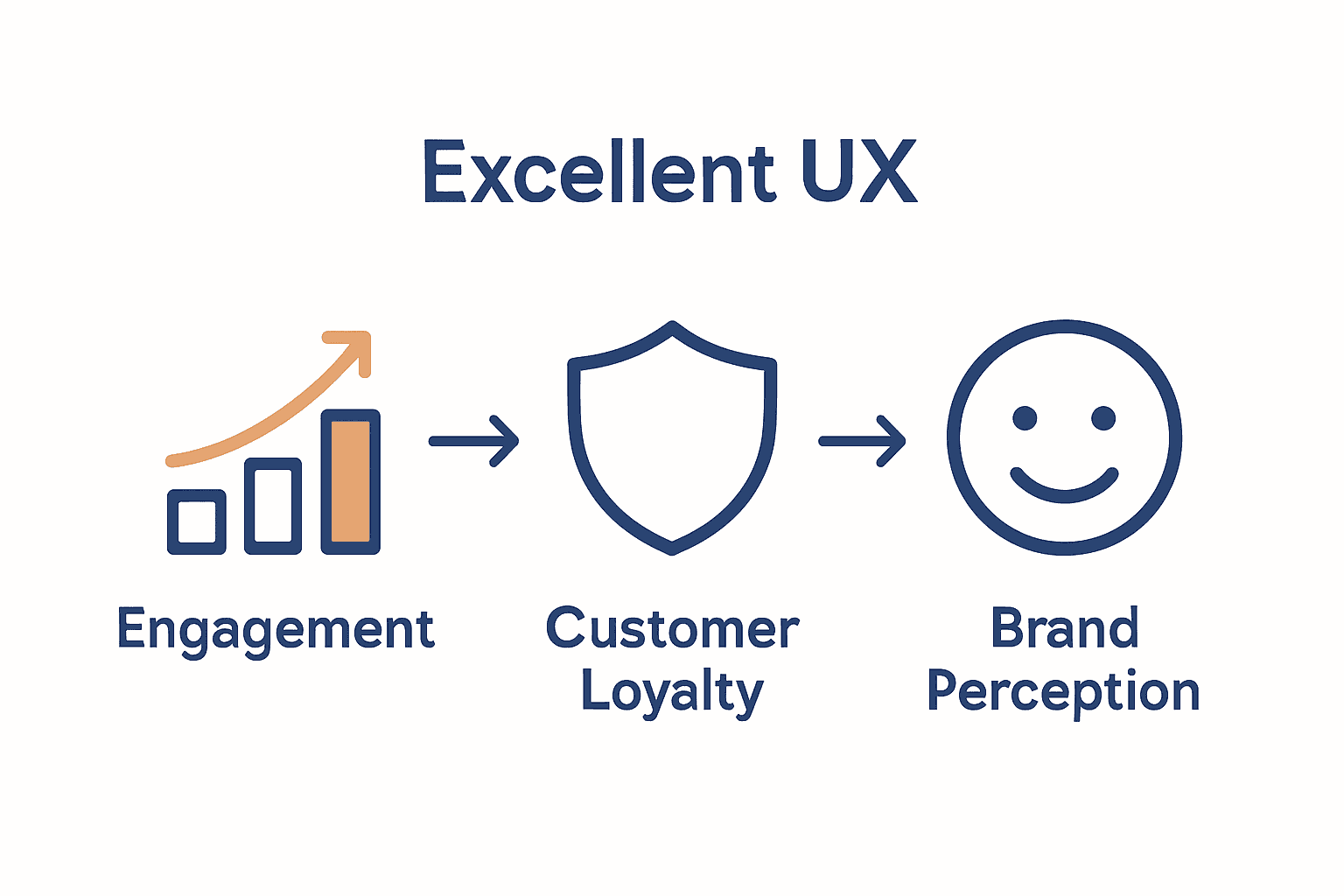
Types of User Experience: Beyond Usability

User experience transcends traditional usability metrics, encompassing a rich spectrum of human interactions with digital platforms. ArXiv research reveals that UX involves complex motivational profiles that significantly impact how users engage with technology, extending far beyond simple functional assessments.

Traditionally, businesses viewed user experience through a narrow lens of task completion and interface efficiency. However, modern understanding recognizes UX as a multidimensional construct. ArXiv emphasizes that user experience involves intricate layers including:

  • Emotional responses
  • Psychological perceptions
  • Personal beliefs
  • Contextual preferences
  • Behavioral patterns

These nuanced dimensions suggest that effective UX design requires deep empathy and understanding of human psychology. While technical functionality remains crucial, successful digital experiences now prioritize creating meaningful, emotionally resonant interactions that go beyond mere utility.

Net Branding principles highlight that truly exceptional user experiences integrate technical excellence with human-centered design. By understanding users’ underlying motivations and emotional landscapes, businesses can craft digital environments that feel intuitive, engaging, and personally relevant. What is Responsive Design becomes more than a technical specification—it transforms into a strategic approach for creating connections that genuinely matter to users.

Core Principles of Effective UX Design

Effective user experience design is a strategic approach that goes far beyond aesthetic considerations. WAC research highlights four fundamental core principles that form the foundation of exceptional UX: user-centered design, consistency, meaningful feedback, and deliberate simplicity.

Here’s a summary of the core UX design principles and their impact:

PrincipleFocus AreaImpact on User Experience
User-Centred DesignUnderstanding user needsIntuitive
personalised journeys
ConsistencyPredictable interactionsEasier navigation
reduced errors
Meaningful FeedbackResponsive interfacesUser confidence
task completion
Deliberate SimplicityReduced complexityMinimal cognitive load
clarity

Journals Research emphasizes that successful UX design centers on understanding and anticipating user needs. This means creating digital experiences that are intuitive, responsive, and aligned with user expectations. Key elements of this approach include:

  • Prioritizing user goals and perspectives
  • Reducing cognitive load
  • Creating predictable interaction patterns
  • Ensuring accessibility across devices
  • Minimizing unnecessary complexity

Technical execution matters immensely, but empathy drives truly remarkable user experiences. Designers must think beyond functionality to create emotional connections that make digital interactions feel natural and effortless. Net Branding principles suggest that great UX design transforms technical constraints into opportunities for meaningful engagement.

For businesses seeking to implement these principles, Responsive Design Tutorial provides practical insights into creating user-centric digital experiences. The ultimate goal is crafting interfaces that feel so intuitive that users barely notice the technology—they simply accomplish their objectives with ease and satisfaction.

Real-World Benefits for Business Websites

MR Research reveals a compelling truth about modern digital presence: user experience directly translates to business performance. Well-designed websites aren’t just digital brochures—they’re powerful conversion engines that can dramatically improve customer engagement, satisfaction, and ultimately, bottom-line results.

The tangible benefits of strategic UX design are substantial. Businesses can expect significant improvements through:

  • Increased user engagement
  • Higher conversion rates
  • Improved customer retention
  • Reduced customer support costs
  • Enhanced brand perception
  • Competitive differentiation

ArXiv highlights an fascinating dimension of UX design by demonstrating how emotional connection drives business performance. By integrating Kansei Engineering principles, companies can create websites that don’t just function—they resonate on an emotional level with users, transforming casual visitors into loyal customers.

Net Branding principles emphasize that modern websites must do more than look good—they must tell a compelling story. 7 Key Benefits of Responsive Websites provides deeper insights into how strategic design can become a genuine business asset. The most successful digital experiences are those that make users feel understood, valued, and effortlessly guided toward their goals.

Infographic showing how good UX increases engagement, loyalty, and brand reputation

Common UX Mistakes and How to Avoid Them

Wikipedia reveals a critical insight about UX design pitfalls: many businesses fall into the trap of creating what’s known as ‘The Elastic User’—a vague, shapeless concept that leads to ineffective design solutions. This happens when designers project their own preferences instead of understanding genuine user needs.

The most prevalent UX mistakes typically stem from a disconnection between design intent and user reality. Common missteps include:

  • Overcomplicating navigation interfaces
  • Ignoring mobile responsiveness
  • Failing to provide clear user pathways
  • Neglecting page loading speed
  • Using confusing or inconsistent design elements
  • Overlooking accessibility requirements

User Advocacy principles emphasize the importance of suspending personal biases to truly understand user perspectives. This means rigorous user research, creating detailed personas, and continuously testing design assumptions against real-world user behaviors.

Net Branding principles suggest that avoiding UX mistakes requires a holistic approach. Why Invest in Web Design provides deeper insights into creating user-centric digital experiences. The key is approaching design as an ongoing dialogue with users—constantly listening, adapting, and refining to ensure your digital platform genuinely serves their needs.

Elevate Your Business with User Experience That Truly Connects

Understanding the full scope of user experience is essential for any business wanting to engage customers effectively and build lasting relationships. This article highlights common challenges like confusing navigation, slow loading, and lack of emotional engagement — issues that can turn visitors away before you get a chance to show them what you offer. It also underlines key concepts such as user-centred design, consistency, and meaningful feedback, which are crucial for creating digital experiences that feel intuitive and trustworthy.

https://responsivewebsitedesign.co.nz

Is your business website falling short on these vital user experience principles? Now is the perfect time to partner with a team that specialises in crafting responsive, SEO-optimised WordPress websites designed with your users in mind. At Responsive Website Design, we deliver tailored solutions that not only look great but also reduce friction and increase customer engagement. From custom WordPress development to ongoing management and performance optimisation, we help New Zealand businesses turn every digital interaction into an opportunity for growth. Discover how our expertise can transform your online presence by visiting our website redesign services today and start your journey towards a website that truly works for your users and business goals.

Frequently Asked Questions

What is user experience (UX) in web design?

User experience (UX) in web design refers to the complete journey a user takes while interacting with a website, focusing on how users feel and their ability to perform tasks easily and efficiently.

Why is user experience important for businesses?

User experience is crucial for businesses as it can lead to increased user engagement, higher conversion rates, improved customer retention, and a stronger brand perception, ultimately impacting the bottom line.

What are some common mistakes to avoid in UX design?

Common mistakes in UX design include overcomplicating navigation, ignoring mobile responsiveness, failing to provide clear user pathways, neglecting page loading speed, and overlooking accessibility requirements.

How can businesses improve their user experience?

Businesses can improve their user experience by focusing on user-centered design, ensuring consistency, offering meaningful feedback, simplifying interactions, and conducting regular user testing to understand user needs better.