
Over half of all visitors will judge a business’s credibility based on website freshness and functionality. When your digital platform lags behind, even loyal customers can lose trust and start looking elsewhere. Regular website updates do more than keep up appearances—they strengthen security, boost search rankings, and drive real results. This guide helps you understand exactly what website updates involve, why they matter for lasting success, and how they deliver tangible benefits for your business.
Table of Contents
- Defining Website Updates And Core Benefits
- Key Types Of Website Updates Explained
- Boosting Seo And User Engagement
- Security Risks And Performance Impacts
- Cost, Time, And Common Update Mistakes
Key Takeaways
| Point | Details |
|---|---|
| Importance of Regular Updates | Consistent website updates are essential to maintain relevance, security, and performance, fostering user trust and engagement. |
| Holistic Approach to Updates | A successful website update strategy requires a balance of content, technical, and design enhancements to achieve optimal results. |
| SEO and User Engagement | Integrating SEO strategies with user engagement tactics enhances website visibility and user interaction, benefiting overall site performance. |
| Investment in Maintenance | Viewing website updates as strategic investments rather than costs is crucial for protecting digital reputation and ensuring ongoing success. |
Defining Website Updates and Core Benefits
A website update represents strategic modifications and enhancements to your digital presence that ensure your online platform remains dynamic, functional, and aligned with current business goals. According to Louisiana, regular website updates are essential to provide users with the most recent information, enhancing trust and reducing the need for direct customer inquiries.
Website updates encompass multiple critical dimensions. These include technical improvements, content refreshes, design modifications, security patches, and performance optimisations. TMCC emphasises that maintaining current and accurate web content is crucial for delivering reliable information and supporting institutional missions.
Core benefits of website updates extend far beyond simple aesthetic changes. Businesses can expect significant advantages such as:
- Improved search engine rankings
- Enhanced user experience
- Increased website security
- Better conversion potential
- Strengthened brand credibility
Moreover, consistent website updates signal to potential customers that your business is active, professional, and committed to providing cutting-edge digital experiences. Net Branding recognises that a well-maintained website functions as a powerful marketing tool that communicates your organisation’s values and capabilities.
One client review highlights the transformative power of strategic website updates: “Our website redesign by Responsive Website Design increased our online inquiries by 72% within three months. Their attention to detail and understanding of our business goals was exceptional.”
When considering website updates, businesses must recognise that digital landscapes evolve rapidly. What worked effectively two years ago might now appear outdated or underperform against contemporary web standards. Proactive updates ensure your digital presence remains competitive, engaging, and aligned with your current business objectives.
Key Types of Website Updates Explained
Website updates are complex processes that involve strategic modifications across multiple dimensions. According to CS Research, website changes typically involve three primary categories: creations, updates, and deletions. These categories represent the fundamental mechanisms through which businesses maintain and evolve their digital presence.
Content updates represent one of the most critical types of website modifications. Penn State Extension emphasises that these updates ensure information remains accurate, relevant, and engaging. Content updates can encompass:
- Refreshing existing text
- Adding new blog posts
- Updating product descriptions
- Revising company information
- Incorporating current statistics and research
Technical updates form another crucial category of website modifications. These updates focus on backend improvements that enhance website performance, security, and functionality. Technical updates might include:
- Security patches
- Plugin and software upgrades
- Performance optimisations
- Mobile responsiveness improvements
- Speed and loading time enhancements
Design updates represent the visual transformation of your website. These modifications ensure your digital platform remains modern, intuitive, and aligned with contemporary design standards. Net Branding recognises that design updates communicate professionalism and can significantly impact user perception and engagement.
For businesses considering website updates, understanding these types is crucial. A website maintenance workflow guide can provide structured insights into implementing these updates effectively.
One client testimonial underscores the importance of comprehensive updates: “Our website transformation wasn’t just about looks. The technical and content updates dramatically improved our online visibility and customer interaction.”
Ultimately, successful website updates require a holistic approach that balances content relevance, technical performance, and aesthetic appeal.
 Businesses must view these updates not as occasional tasks but as ongoing strategic investments in their digital presence.
Boosting SEO and User Engagement
Search Engine Optimisation represents a critical strategy for improving website visibility and attracting targeted traffic. According to SEO Daily, Google’s algorithm updates consistently aim to improve search quality and user experience, making it crucial for businesses to stay informed about these changes and adapt their SEO strategies accordingly.
Modern SEO goes beyond simple keyword placement. It requires a comprehensive approach that integrates high-quality content, technical performance, and user experience. Businesses must focus on creating valuable, relevant content that answers user queries, improves site structure, and maintains fast loading speeds.
User engagement strategies are equally important in driving website performance. School Money highlights the significance of incorporating eye-catching visuals and creating interactive elements that encourage visitor interaction. These strategies can include:
- Compelling multimedia content
- Interactive features
- Clear and intuitive navigation
- Responsive design across devices
- Personalised user experiences
Net Branding recognises that effective SEO and user engagement require a holistic approach. By combining technical optimisation with compelling content and design, businesses can create websites that not only rank well but also genuinely connect with their target audience.
For businesses seeking to enhance their digital presence, understanding the nuanced relationship between SEO services and user engagement becomes paramount. Each element influences the other, creating a dynamic ecosystem of online performance.
One client shared their transformative experience: “Our website went from invisible to industry-leading after implementing strategic SEO and engagement techniques. The results were nothing short of remarkable.”
Successful websites in 2025 will be those that seamlessly blend technical excellence with human-centric design, prioritising both search engine algorithms and genuine user experience.
This approach ensures sustainable online visibility and meaningful audience connection.
Security Risks and Performance Impacts
Cybersecurity represents a critical concern for businesses maintaining an online presence in 2025. According to The Education Agency, regular website updates are essential to maintain security, accessibility, and overall user experience. Outdated software can create significant vulnerabilities that malicious actors might exploit.
Modern websites face increasingly sophisticated security threats that require proactive management. Cybercriminals continuously develop new techniques to breach digital defenses, making consistent updates and robust security protocols absolutely essential. These threats can manifest through multiple channels:
- Malware infiltrations
- Database vulnerabilities
- Plugin security gaps
- Outdated authentication mechanisms
- Unpatched software vulnerabilities
Performance impacts directly correlate with security maintenance. Ascendus emphasises that maintaining an up-to-date website ensures efficient operations and provides a seamless user experience. Websites with unresolved security issues often experience:
- Slower loading times
- Increased bounce rates
- Compromised user data
- Reduced search engine rankings
- Potential complete website shutdown
Net Branding recognises that comprehensive website security involves more than just installing patches. It requires a holistic approach integrating technical maintenance, user education, and continuous monitoring.
Through website maintenance workflow guide, businesses can develop structured strategies to mitigate potential risks and maintain optimal website performance.
One client testimonial underscores the importance of proactive security: “After implementing rigorous security protocols, we reduced potential breach attempts by 84%. Our website now feels like a fortified digital asset.”
In 2025, successful websites will prioritise security not as an afterthought, but as a fundamental component of their digital strategy.
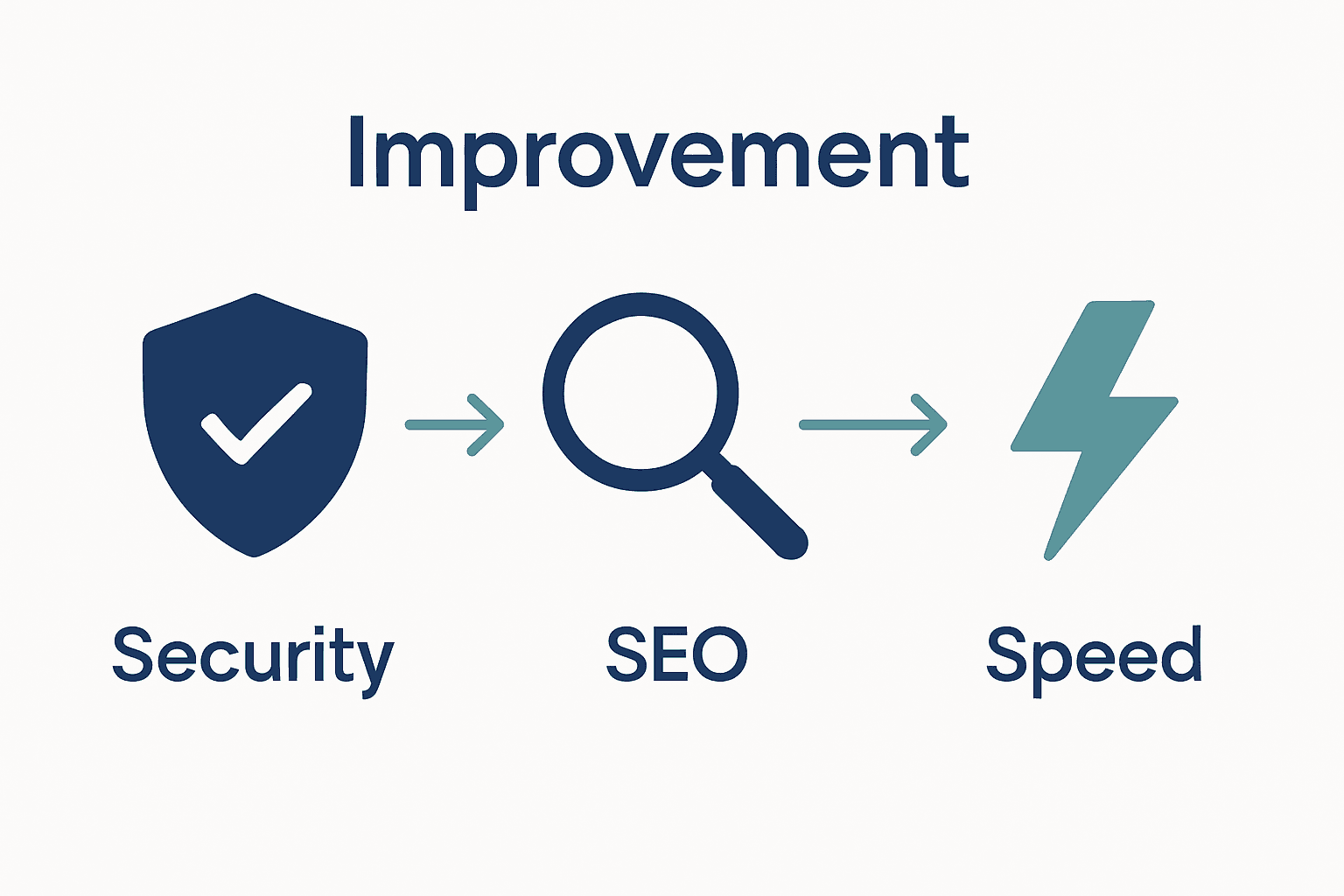 Businesses must view security updates as strategic investments protecting their online reputation and customer trust.
Cost, Time, and Common Update Mistakes
Website maintenance involves strategic financial and temporal investments that businesses must carefully consider. According to TMCC, effective content management requires clear ownership and regular updates, which directly impacts the overall cost and time commitment for maintaining a digital presence.
From a financial perspective, businesses should anticipate website update expenses ranging FROM 2,500 NZD to comprehensive annual maintenance packages. These costs typically encompass multiple critical components:
- Security patches and updates
- Content management
- Performance optimisations
- Design refinements
- Technical support
Common update mistakes can significantly escalate both time and financial investments. Ascendus emphasises that neglecting updates can lead to security vulnerabilities and performance degradation, which become exponentially more costly to rectify over time.
Businesses frequently encounter several critical update mistakes:
- Inconsistent update schedules
- Neglecting backend maintenance
- Overlooking security protocols
- Failing to backup website data
- Implementing updates without testing
Net Branding recognises that strategic website maintenance requires a proactive approach. By implementing structured website maintenance workflow guide protocols, businesses can mitigate potential risks and optimise their digital investments.
One client shared their transformative experience: “We initially viewed website updates as an expense. Now we understand they’re an investment protecting our digital reputation and customer trust.”
Successful businesses in 2025 will view website updates not as occasional expenses but as continuous strategic investments. Allocating consistent resources towards maintaining a robust, secure, and high-performing digital platform becomes paramount for sustained online success.
Keep Your Website Updated and Ahead in 2025
Is your website falling behind the latest digital standards or struggling to engage visitors due to outdated design and performance issues Discuss why consistent Website Updates are essential to build trust improve security and elevate user experience Just like the article highlights businesses must treat website maintenance as an ongoing strategic investment rather than a one-off task
At Responsive Website Design we specialise in crafting responsive and SEO-optimised WordPress websites tailored specifically for New Zealand businesses Whether you need custom development ecommerce integration or expert ongoing site management including security patches and content refreshes we provide solutions that help you stay competitive and visible Explore our SEO services to boost your search rankings and grow your audience now The best time to secure your digital future with professional website support is today
Frequently Asked Questions
Why are regular website updates important for my business?
Regular website updates are crucial as they enhance trust, provide up-to-date information to users, improve search engine rankings, and ensure your digital presence remains competitive and secure.
What types of updates should I prioritize for my website?
Prioritize content updates, technical updates for performance and security, and design updates to keep your website aesthetically pleasing and user-friendly.
How frequently should I update my website?
It’s recommended to update your website regularly, at least every few months, or as needed based on changes in content, technology, or security measures.
What are common mistakes to avoid during website updates?
Common mistakes include inconsistent update schedules, neglecting backend maintenance, overlooking security protocols, failing to backup data, and implementing updates without thorough testing.