
Over 80 percent of australian businesses report that a well defined strategy is the number one driver of website success. Whether you are updating an established site or starting from scratch, clear business goals make all the difference in standing out online. Discover how mapping specific objectives and technical needs lays the groundwork for a high performing digital presence designed for australian brands.
Table of Contents
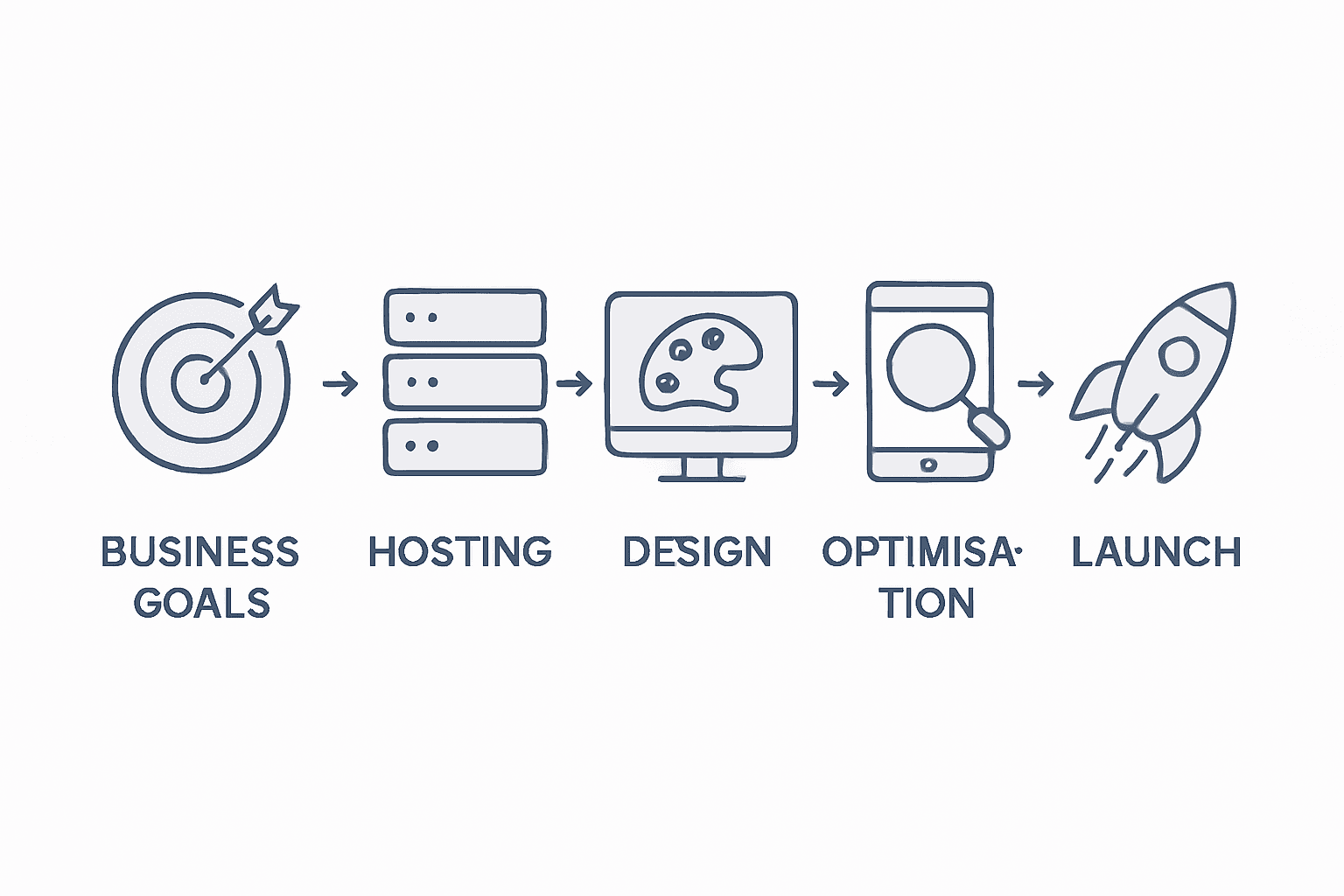
- Step 1: Define Business Goals And Website Requirements
- Step 2: Set Up Hosting And Configure Core Frameworks
- Step 3: Build And Design Your WordPress Website
- Step 4: Optimise For Mobile, SEO And Speed
- Step 5: Test, Verify And Launch Your Website
Quick Summary
| Essential Insight | Detailed Explanation |
|---|---|
| 1. Define Clear Goals | Establish precise business objectives to inform website design and functionality for greater brand alignment. |
| 2. Prioritise Requirements | Categorise features into ‘must have’ and ‘nice to have’ to ensure essential functions are developed first. |
| 3. Ensure Technical Setup | Select reliable hosting and configure core frameworks, optimising for performance and security during setup. |
| 4. Focus on User Experience | Design with user engagement in mind, ensuring easy navigation and clear calls to action for better interaction. |
| 5. Test Thoroughly Before Launch | Conduct comprehensive testing for technical and user experience aspects to minimise issues and ensure professionalism at launch. |
Step 1: Define Business Goals and Website Requirements
Creating a successful website begins with crystal clear strategic planning. Your website represents a critical digital storefront that communicates your business identity, attracts potential customers, and drives organisational objectives. Understanding your specific goals becomes the foundation for designing an effective online presence.
To establish precise website requirements, start by conducting a comprehensive strategic assessment. This involves mapping out your primary business objectives and translating them into digital experiences. Organisational missions and strategic vision can directly inform website design, ensuring your digital platform authentically represents your brand. Ask yourself critical questions about your target audience, desired user interactions, and key performance indicators that will measure website success.
Net Branding recommends developing a structured approach to defining website requirements. Begin by outlining specific goals such as generating leads, showcasing products, providing customer support, or facilitating online transactions. Consider your audience demographics, their online behaviour, and the specific actions you want them to take when visiting your site. Document these requirements meticulously, creating a blueprint that will guide your website development process.
The website development journey requires careful alignment between business strategy and digital execution. Your requirements should encompass technical specifications, content strategy, user experience design, and performance metrics. Research indicates that websites with clearly defined goals and audience priorities demonstrate significantly higher engagement rates.
Careful Documentation: Create a detailed requirements document that includes:
- Business objectives
- Target audience profile
- Desired website functionality
- Key performance indicators
- Content strategy framework
- Technical infrastructure needs
Advanced Tip: Prioritise your requirements by categorising them into ‘must have’ and ‘nice to have’ features. This approach helps maintain focus during the development process and ensures critical business needs are met first.
Pro insight: Regularly review and update your website goals to ensure continued alignment with evolving business strategies and market dynamics.
Step 2: Set up Hosting and Configure Core Frameworks
Configuring your website’s hosting and core frameworks is a critical stage in transforming your digital strategy into a functional online platform. This step involves selecting the right hosting environment and establishing the technical foundation that will support your entire web presence.

Beginning with hosting selection requires careful consideration of your business needs. WordPress hosting options demand strategic evaluation of reliability, scalability, and technical support, ensuring your website operates smoothly and efficiently. Net Branding recommends assessing potential hosting providers based on several key criteria including server performance, uptime guarantees, security features, and compatibility with WordPress infrastructure.
When configuring core frameworks, focus on establishing a robust technical environment that supports your website’s objectives. Implementing best practices for server configuration involves understanding specific WordPress hosting requirements, which include selecting appropriate PHP versions, database configurations, and server resources aligned with your expected website traffic and functionality.
Your hosting configuration should address several critical technical considerations:
- Server type and specifications
- Database management systems
- PHP and WordPress version compatibility
- SSL certificate implementation
- Backup and recovery mechanisms
- Performance optimization settings
Net Branding suggests conducting thorough compatibility testing during your hosting setup. Verify that your chosen hosting environment meets all technical prerequisites for your specific WordPress version and planned website features. This proactive approach minimises potential technical complications during subsequent development stages.
Pro insight: Always maintain a staging environment separate from your live website to test framework configurations and updates before implementing them in your production environment.
Step 3: Build and Design Your WordPress Website
Building your WordPress website marks a pivotal moment in transforming your digital strategy into a living, functional online platform. This critical stage involves translating your business objectives into a compelling visual and functional design that effectively communicates your brand identity.
WordPress installation requires careful navigation through technical and design considerations, ensuring your website not only looks professional but operates seamlessly. Net Branding recommends approaching website design as a strategic process that balances aesthetic appeal with user experience and functional requirements. Your design should reflect your brand personality while providing intuitive navigation and clear pathways for potential customers.
The WordPress ecosystem offers multiple approaches to website construction. Dynamic website design involves selecting appropriate themes, plugins, and customisation options that align with your business goals. Begin by exploring WordPress theme libraries that match your industry and brand aesthetic. Consider factors such as responsiveness, customisation capabilities, and built-in features that support your specific business needs.
Key design and development considerations include:
- Selecting a mobile responsive theme
- Implementing intuitive site navigation
- Creating clear call to action sections
- Ensuring consistent branding elements
- Optimising page load speeds
- Integrating essential plugins for functionality
Net Branding emphasises the importance of user experience during website design. Each design decision should prioritise visitor engagement, making information accessible and interaction seamless. Test your website across multiple devices and browsers to guarantee a consistent, professional appearance.
Pro insight: Always create a staging version of your website to experiment with design elements before publishing your live site, allowing you to refine and perfect your digital presence without risking your primary online platform.
Step 4: Optimise for Mobile, SEO and Speed
Optimising your website represents a critical phase in ensuring digital success, transforming your online presence from functional to extraordinary. This comprehensive process involves strategic improvements across mobile responsiveness, search engine visibility, and performance metrics.
Selecting well-coded WordPress themes becomes fundamental to achieving superior website performance, with direct implications for user experience and search rankings. Net Branding recommends implementing a multifaceted optimization strategy that addresses technical foundations and user engagement simultaneously. Your optimization efforts should focus on creating a seamless, fast, and accessible digital experience across all devices.
WordPress security and performance optimization require systematic implementation of best practices, including strategic plugin selection and ongoing maintenance. Concentrate on key optimization elements such as image compression, caching mechanisms, and minimising external script loading. Mobile optimization demands responsive design that adapts fluidly across smartphones, tablets, and desktop environments.
Critical optimization strategies include:
- Implementing responsive mobile design
- Minimising page load times
- Compressing visual media
- Enabling browser caching
- Reducing server response times
- Utilizing content delivery networks
Net Branding emphasises that successful website optimization is an ongoing process. Regular performance audits using tools like Google PageSpeed Insights can help identify and address potential improvements. Continuously monitor your website’s performance metrics, user engagement rates, and search engine rankings to maintain a competitive digital presence.
Pro insight: Conduct quarterly comprehensive website performance reviews to ensure your digital platform remains optimized, secure, and aligned with evolving technological standards.
The table below compares key website performance metrics and their optimisation benefits:
| Metric | Impact on User Experience | Optimisation Benefit |
|---|---|---|
| Page load speed | Reduces user abandonment | Increases conversions |
| Mobile responsiveness | Ensures access on any device | Expands audience reach |
| SEO compliance | Improves visibility in search | Attracts more organic traffic |
| Security | Protects sensitive information | Maintains trust and credibility |
Step 5: Test, Verify and Launch Your Website
Launching your website marks the culmination of your digital strategy, transforming months of planning and development into a live online platform. This critical phase requires meticulous verification to ensure your website meets professional standards and delivers an exceptional user experience.
Comprehensive website development demands thorough testing across multiple dimensions, addressing technical functionality, user experience, and content accuracy. Net Branding recommends implementing a structured verification process that systematically evaluates every aspect of your digital presence. Your testing strategy should encompass technical performance, visual consistency, and user interaction across various devices and browsers.
Web governance principles emphasise aligning website performance with strategic business objectives, ensuring your digital platform remains responsive to audience needs. Conduct rigorous testing protocols that include:
- Cross browser compatibility checks
- Mobile responsiveness verification
- Performance speed testing
- Security vulnerability assessment
- Content accuracy review
- Functionality testing of forms and interactive elements
Net Branding suggests creating a comprehensive pre launch checklist that covers technical, design, and content requirements. Simulate user journeys, test navigation pathways, and verify that all links function correctly. Implement user acceptance testing to gather final feedback and identify potential improvements before your official website launch.
Pro insight: Create a staging environment parallel to your live site, allowing you to conduct final tests and refinements without risking your primary online presence.
Here is a quick overview of how each step in the website development process aligns with business impact:
| Step | Primary Focus | Business Impact |
|---|---|---|
| Define Goals & Requirements | Strategic planning, user research | Ensures clarity, alignment with mission |
| Set up Hosting & Frameworks | Technical foundation, server setup | Enables performance and reliability |
| Build & Design WordPress Website | Visual & functional site creation | Strengthens brand and engagement |
| Optimise for Mobile, SEO & Speed | Performance and discoverability | Raises rankings, improves user retention |
| Test, Verify & Launch Website | Quality assurance, final checks | Minimises risk, boosts professionalism |
Ready to Launch a WordPress Website That Truly Represents Your Business?
The article highlights the challenge of turning your strategic business goals into a functional, engaging online presence that delivers results. If you aim to define clear website requirements, ensure reliable hosting, and create a responsive, SEO-friendly website that attracts and retains customers, then trust in professional guidance to achieve these critical milestones. Achieving seamless mobile performance, optimisation for search engines, and flawless launch readiness are key pain points that many businesses face.
At ResponsiveWebsiteDesign, we specialise in tailored WordPress solutions designed to support New Zealand businesses every step of the way. From precise goal alignment and robust hosting setups to custom designs that enhance user experience, our team ensures your website is built for long-term success. Explore strategies on optimising your site’s SEO with insights from our SEO archives or discover how efficient website development translates to higher conversions in our Website archives.
Don’t let the complexity of website launch hold you back. Partner with us now for a website crafted to meet your business objectives and impress visitors from day one. Visit ResponsiveWebsiteDesign to start your journey towards a powerful, professional online presence.
Frequently Asked Questions
How do I define my business goals for a website?
Start by identifying your primary business objectives, such as generating leads or enhancing customer support. Document these goals clearly to serve as a roadmap for your website development process.
What should I include in my website requirements document?
Your requirements document should cover business objectives, target audience profiles, desired website functionality, and key performance indicators. Create a detailed framework to guide your development efforts and ensure every critical need is addressed.
How do I choose the right hosting for my business website?
Evaluate potential hosting providers based on their reliability, server performance, and security features. Consider factors like scalability and customer support to ensure your website goes live efficiently and remains operational.
What are the key elements of optimising my website for speed and SEO?
Focus on implementing responsive design, minimising page load times, and compressing media files. Regularly assess your website’s performance and make improvements to enhance user engagement and search visibility.
How can I verify that my website is ready to launch?
Conduct thorough testing across multiple devices and browsers to check for functionality and visual consistency. Use a pre-launch checklist to ensure all technical aspects, content accuracy, and user interactions are functioning correctly before going live.
Recommended
- How to Choose Website Layouts for Business Success – ResponsiveWebsiteDesign
- User Experience Design Process for Business Websites – ResponsiveWebsiteDesign
- Website Design Guide for Builders: Create a Winning Website – ResponsiveWebsiteDesign
- Website Design Guide for Builders: Create a Winning Website – ResponsiveWebsiteDesign