
Struggling to stand out among other builders in New Zealand can make attracting the right clients feel like an uphill battle. When your website clearly communicates your business values and personality, it sets you apart and builds immediate trust. By focusing on core brand values and developing a distinctive visual identity, you can create a WordPress website that draws attention, connects with clients, and strengthens your reputation in the competitive construction industry.
Table of Contents
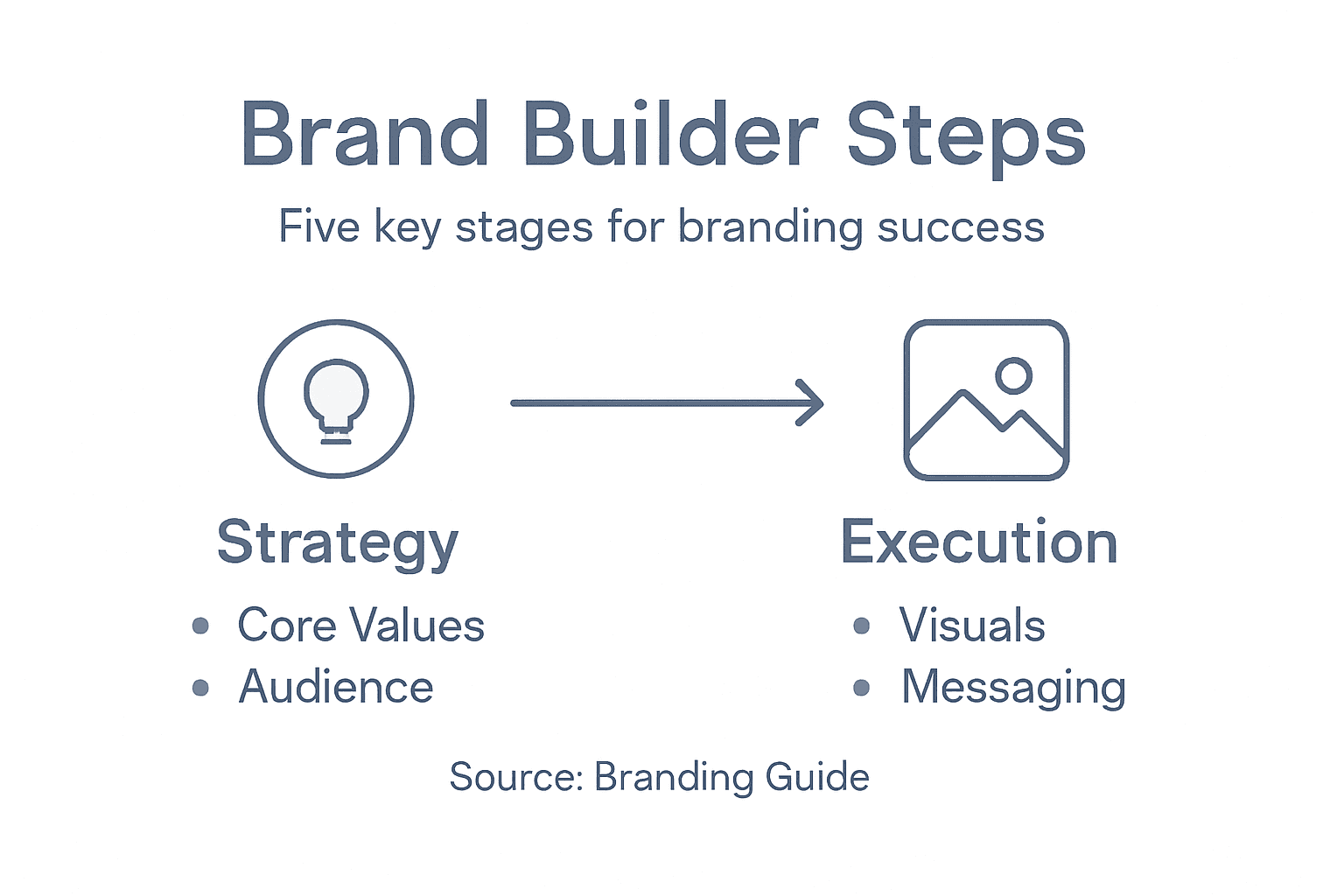
- Step 1: Identify Core Brand Values And Target Audience
- Step 2: Define Visual Identity Elements For Builder Websites
- Step 3: Develop Consistent Messaging And Tone Of Voice
- Step 4: Apply Branding Across Site Design And Content
- Step 5: Evaluate Brand Impact And Refine For Growth
Quick Summary
| Key Point | Explanation |
|---|---|
| 1. Identify Core Values | Understand what makes your building business unique to shape your brand identity effectively. |
| 2. Define Target Audience | Conduct thorough research to identify demographics and psychographics of your ideal clients. |
| 3. Consistent Visual Identity | Create a cohesive visual representation with a branded logo, colour palette, and typography. |
| 4. Unified Messaging Strategy | Develop brand voice guidelines to ensure consistent communication across all platforms. |
| 5. Regular Brand Assessment | Continuously evaluate your brand’s performance and adapt strategies based on client feedback and analytics. |
Step 1: Identify Core Brand Values and Target Audience
Building a powerful brand identity begins with understanding your foundational values and precisely defining who you want to connect with. This critical first step will transform how potential clients perceive your builder website and distinguish you from competitors.
To effectively identify your core brand values, start by reflecting deeply on what makes your building business unique. Consider your professional philosophy, work ethic, and the specific promises you make to clients. Brand values represent foundational beliefs that guide your communication and strategic decisions. For builders, these might include commitments like exceptional craftsmanship, transparency in pricing, sustainable construction practices, or personalised client service.
Defining your target audience requires strategic research and honest self assessment. Map out the specific demographics and psychographics of clients most likely to need and appreciate your building services. Consider factors like income levels, property types, architectural preferences, and specific construction needs. Are you targeting first home builders, luxury home developers, commercial property investors, or renovation specialists? Understanding these nuanced details allows you to craft messaging that resonates precisely with your ideal clients.
By aligning your core values with a well-defined target audience, you create a powerful brand narrative that attracts the right clients and establishes immediate credibility.
Here’s a quick reference for core brand values and their potential impact on building businesses:
| Core Brand Value | How It Benefits Business | Client Perception |
|---|---|---|
| Exceptional craftsmanship | Projects meet high standards | Confidence in quality |
| Transparency in pricing | Builds client trust | Reliability and honesty |
| Sustainable practices | Attracts eco-conscious clients | Responsibility and foresight |
| Personalised service | Enhances client relationships | Care and attention to needs |
Pro tip: Conduct interviews with past clients to gain deeper insights into why they chose your building services and what they valued most about your work.
Step 2: Define Visual Identity Elements for Builder Websites
Creating a compelling visual identity is crucial for establishing your builder website’s unique brand personality and attracting potential clients. This step involves strategically selecting and documenting visual elements that will communicate your professional values and distinguish your construction business from competitors.

Start by developing a comprehensive visual identity system that encompasses all crucial design components. Your visual identity toolkit should include a professionally designed logo that reflects your building expertise, a carefully curated colour palette representing your brand’s character, and typography that communicates reliability and precision. Consider selecting colours that evoke trust and professionalism such as blues for dependability or earth tones for natural construction themes. Ensure your chosen fonts are clean and readable communicate your commitment to clarity and quality.
Document these visual elements systematically in a brand style guide that provides clear guidelines for consistent application across all digital and print platforms. This guide should specify exact colour hex codes, logo usage rules, acceptable variations, minimum size requirements, and spacing parameters. By establishing these precise visual standards, you create a cohesive brand representation that builds recognition and reinforces your professional image.
Pro tip: Invest time in creating high-quality visual assets that can be easily adapted across multiple platforms and maintain their integrity at different scales.
Step 3: Develop Consistent Messaging and Tone of Voice
Establishing a coherent and distinctive communication strategy is fundamental to building trust and recognition for your builder website. This crucial step involves crafting a unique voice that resonates with your target audience while maintaining professionalism and authenticity throughout all your communication channels.
Begin by developing comprehensive brand voice guidelines that define the specific language, emotional tone, and communication style unique to your building business. Consider the personality you want to project whether that is technical and precise professional and approachable or innovative and creative. Your tone should reflect your core brand values and speak directly to your ideal client demographic. For a construction business this might mean using clear concise language that demonstrates expertise while remaining warm and accessible. Create a detailed document that outlines acceptable vocabulary preferred sentence structures communication dos and donts and examples of both on brand and off brand communication.
Implement these guidelines consistently across all platforms including your website blog social media marketing materials and client communications. This means ensuring that every piece of content whether its a project description client proposal or social media post sounds like it comes from the same voice. Consistency builds familiarity and trust demonstrating your commitment to professionalism and attention to detail. Regular team training and periodic reviews of your communication materials will help maintain this unified messaging approach.
Pro tip: Create a simple reference card with your brand voice guidelines that team members can quickly consult when creating content to ensure consistent communication.
Step 4: Apply Branding Across Site Design and Content
Transforming your builder website into a powerful brand representation requires strategic and thoughtful integration of visual and communicative elements. This step focuses on creating a cohesive digital experience that tells your unique business story through every design and content choice.
Systematic brand application involves carefully mapping your brand identity across all website touchpoints. Start by ensuring your colour palette reflects your brand personality with consistent usage across headers navigation elements graphics and text backgrounds. Select imagery that authentically represents your construction work showcasing your projects professional team and workplace culture. Pay special attention to typography choosing fonts that communicate reliability and expertise while maintaining readability across different devices and screen sizes.
Ensure your brand guidelines are comprehensively implemented by creating a comprehensive visual strategy that balances aesthetic appeal with functional design. This means your logo placement navigation structure imagery selection and written content should all speak with one unified voice. Integrate your brand messaging into every section including project galleries service descriptions team introductions and client testimonials. Consider how each visual and textual element contributes to building trust and demonstrating your professional capabilities. Regular audits of your website design will help maintain brand consistency and identify areas for potential refinement.
The following table summarises major website branding elements and their influence:
| Branding Element | Role in Website | Impact on Visitor Experience |
|---|---|---|
| Logo | Represents business identity | Instant brand recognition |
| Colour palette | Sets emotional tone | Enhances consistency, mood |
| Typography | Communicates professionalism | Improves readability |
| Imagery | Showcases capabilities | Builds trust and authenticity |
Pro tip: Create a digital brand style guide checklist that your team can reference during website updates to ensure ongoing brand alignment and visual coherence.
Step 5: Evaluate Brand Impact and Refine for Growth
Assessing and improving your builder website’s brand performance is a continuous journey that requires strategic measurement and thoughtful adaptation. This critical step helps you understand how effectively your brand communicates its value and connects with potential clients.
Brand impact assessment involves systematically tracking key performance indicators that reveal your brand’s market perception and engagement levels. Begin by establishing baseline metrics such as website traffic visitor demographics conversion rates and client inquiry frequencies. Use analytics tools to gather quantitative data and complement these insights with qualitative feedback through client surveys and direct conversations. Pay close attention to metrics that demonstrate brand recognition such as repeat visitor rates social media engagement and referral sources which indicate how well your brand resonates with your target audience.
Transform your insights into actionable refinements by identifying patterns and potential improvement areas. Look for consistencies in client feedback examine which website sections generate the most engagement and analyse where potential clients might be dropping off in your sales funnel. This data driven approach allows you to make precise adjustments to your branding strategy ensuring your builder website continuously evolves to meet market expectations and client needs. Regular quarterly reviews will help you stay agile and responsive to changing market dynamics and emerging client preferences.
Pro tip: Create a standardised quarterly brand performance review template to ensure consistent and comprehensive evaluation of your website’s brand impact.
Elevate Your Builder Website with Expert Branding and WordPress Design
Struggling to transform your builder website into a powerful brand that truly connects with your ideal clients? This guide shows you how to align your core values, visual identity, and messaging for maximum impact. Now imagine combining that strategy with a website crafted by experts who specialise in WordPress design tailored specifically for New Zealand businesses. At ResponsiveWebsiteDesign, we understand the importance of consistent branding across every pixel and phrase – from your logo and colour palette to your online content tone.
Take the next step towards a seamless branded online presence by exploring our Website Archives for insights on effective site design. Our team ensures your site is visually engaging, mobile responsive, and SEO optimised to attract and retain your exact target audience. Don’t let inconsistent visuals or messaging hold back your builder business growth. Visit ResponsiveWebsiteDesign now to start creating a website that perfectly complements your branding strategy and drives real client engagement.
Frequently Asked Questions
How do I identify my core brand values for my builder website?
To identify your core brand values, reflect on what makes your building business unique, including your work ethic and client promises. Document these values and ensure they guide your communication and decisions to create a consistent brand image.
What steps should I follow to define my target audience?
Begin by conducting strategic research to outline the demographics and psychographics of clients most likely to need your building services. Create a detailed profile considering factors like income levels and specific construction needs to effectively tailor your messaging and branding.
How can I develop a visual identity for my builder website?
Develop a visual identity by creating a style guide that includes essential elements like a logo, colour palette, and typography. Ensure all visual components reflect your brand personality and are consistently applied across your website to enhance recognition and professionalism.
What strategies can I implement for consistent messaging on my website?
Create brand voice guidelines that define the language and tone you wish to project. Implement these guidelines across all platforms, ensuring that every piece of content sounds coherent and reflects your brand values to build trust among potential clients.
How do I evaluate the effectiveness of my builder website’s branding?
Evaluate your branding effectiveness by tracking key performance indicators like website traffic and conversion rates. Conduct regular reviews and gather client feedback to identify areas for improvement and ensure your branding aligns with audience expectations and needs.
What can I do to refine my branding for continuous growth?
Refine your branding by analysing patterns in your performance data and client feedback. Implement actionable changes based on this analysis to enhance your brand’s relevance and effectiveness in attracting potential clients.
Recommended
- Website Design Guide for Builders: Create a Winning Website – ResponsiveWebsiteDesign
- Why Builders Need Websites: Complete Business Guide – ResponsiveWebsiteDesign
- Website Design Guide for Builders: Create a Winning Website – ResponsiveWebsiteDesign
- 7 Website Content Ideas for Builders to Attract Clients – ResponsiveWebsiteDesign
- How to Market Your Brand Effectively for 2025 Success – Paul Baguley