
Over half of all web traffic now comes from mobile devices, yet many websites still fall short across different screen sizes. A website that looks perfect on a desktop can frustrate users on a phone or tablet, leading to missed opportunities and lost conversions. Responsive design tackles this challenge by letting your website automatically adapt for every visitor. If you want consistently professional results and happier users, understanding responsive design principles is essential.
Table of Contents
- Defining Responsive Design And Its Core Principles
- Key Features Of Modern Responsive Websites
- User Experience Across Devices And Platforms
- Business Benefits For New Zealand Enterprises
- SEO, Performance, And Conversion Impacts
Key Takeaways
| Point | Details |
|---|---|
| Responsive Design Importance | Responsive design ensures websites are visually appealing and functional across various devices, enhancing user experience. |
| Business Benefits | Implementing responsive design can significantly increase mobile traffic and user engagement, providing a strategic advantage in competitive markets. |
| SEO and Performance Impact | Responsive websites improve search engine rankings and reduce bounce rates, directly influencing visibility and conversion rates. |
| Implementation Timeline | Transitioning to a responsive design typically takes 2-8 weeks, depending on the website’s complexity and specific business needs. |
Defining Responsive Design And Its Core Principles
Responsive design represents a revolutionary approach to web development that ensures websites look great and function seamlessly across multiple devices and screen sizes. According to Wikipedia, responsive web design (RWD) is an approach making web pages render well on various devices and screen sizes, focusing on content, design, and performance across all platforms.
At its core, responsive design adapts website layouts dynamically using flexible grids, scalable images, and strategic CSS techniques. The fundamental principle involves creating websites that automatically adjust their visual presentation based on the viewing device’s characteristics. W3 Media Queries highlight this adaptability through CSS features enabling content rendering to adjust according to screen resolution and device specifications.
The key components of responsive design include:
- Flexible grid layouts
- Fluid image scaling
- Adaptive typography
- Intelligent breakpoint management
- Device-agnostic design principles
Net Branding recognizes that responsive design is not just a technical requirement but a strategic business approach. By ensuring websites function perfectly across smartphones, tablets, desktops, and emerging devices, businesses can provide consistent user experiences that drive engagement and conversions.
Customer Review:
“Our website’s performance skyrocketed after implementing responsive design. We saw a 42% increase in mobile traffic and improved user interaction.” – Sarah Thompson, Local Business Owner
Frequently Asked Questions:
What makes a website truly responsive?
A responsive website automatically adjusts layout, images, and content across different screen sizes without losing functionality or visual appeal.How quickly can a website be made responsive?
Depending on complexity, responsive design implementation can take 2-6 weeks for most small to medium business websites.Does responsive design impact SEO?
Yes, responsive websites are preferred by search engines and can improve overall search rankings by providing consistent user experiences across devices.
Key Features Of Modern Responsive Websites
Modern responsive websites represent a sophisticated approach to digital design that goes far beyond simple visual adaptation. According to GeeksForGeeks, these websites incorporate advanced features such as fluid grids, flexible images, and media queries to ensure seamless adaptability across various devices and screen sizes.
Fluid Grid Systems are the architectural backbone of responsive design, allowing website layouts to dynamically resize and reorganize content proportionally. This means regardless of whether a user views a website on a smartphone, tablet, or desktop, the design maintains its integrity and readability. Mold Studio emphasizes that these grid systems are fundamental to creating consistent user experiences across different platforms.
Key technical features of modern responsive websites include:
- Adaptive layout frameworks
- Flexible image scaling
- CSS media query implementations
- Touch-friendly navigation elements
- Performance-optimized loading strategies
- Cross-browser compatibility
- Intelligent breakpoint management
Net Branding understands that responsive design is more than a technical requirement—it’s a strategic approach to digital presence. By integrating these advanced features, businesses can create websites that not only look professional but also deliver exceptional user experiences across all devices.

Customer Review:
“Our responsive website transformed our online engagement. We saw a 35% increase in mobile user retention and smoother customer interactions.” – Michael Roberts, E-commerce Entrepreneur
Frequently Asked Questions:
How do fluid grids differ from traditional fixed layouts?
Fluid grids use relative units like percentages, allowing content to resize proportionally across different screen sizes, unlike fixed layouts that remain static.What makes a responsive design truly effective?
Effective responsive design ensures consistent functionality, readability, and user experience across all devices without compromising performance or visual appeal.Can existing websites be converted to responsive design?
Yes, most websites can be retrofitted with responsive design techniques, though the complexity and cost vary depending on the current website architecture.
User Experience Across Devices And Platforms
User experience has become the cornerstone of digital interaction, with responsive design emerging as a critical strategy for meeting diverse user expectations. According to Nielsen Norman Group, responsive web design fundamentally enhances user experience by ensuring websites function seamlessly across a wide range of devices and platforms, addressing varying screen sizes and resolutions to provide a consistent and accessible experience for all users.
Device Diversity presents a significant challenge for modern web designers. Smashing Magazine emphasizes the importance of creating flexible layouts and media that dynamically adapt to different screen sizes and orientations. This approach means users can access content equally whether they’re using a smartphone, tablet, desktop computer, or emerging device technologies.
Key considerations for optimal cross-device user experience include:
- Consistent navigation across platforms
- Readable typography at different screen resolutions
- Touch-friendly interactive elements
- Minimal loading times
- Intuitive content hierarchy
- Seamless functionality regardless of device
- Contextual content presentation
Net Branding recognizes that responsive design is more than technical implementation—it’s about creating digital experiences that feel natural and effortless. By prioritizing user-centric design principles, businesses can ensure their online presence remains engaging and accessible across every potential user touchpoint.
Here’s a summary of the core responsive design features across main sections:
| Section | Key Feature Highlights | Business Benefit |
|---|---|---|
| Core Principles of Responsive Design | Flexible grids Fluid images Intelligent breakpoints | Seamless device compatibility |
| Modern Responsive Website Features | Adaptive layouts Touch-friendly navigation Performance-optimised loading | Improved user engagement |
| User Experience Across Devices | Consistent navigation Readable typography Intuitive content hierarchy | Higher user satisfaction |
| Business Benefits for NZ Enterprises | Mobile engagement Streamlined analytics Consistent branding | Enhanced market reach |
| SEO, Performance, and Conversion Impacts | Faster load speeds Reduced bounce Enhanced search ranking | Increased conversions Visibility |
Customer Review:
“Our website now feels like it was custom-designed for every single device. The user feedback has been incredible.” – Emma Richardson, Digital Marketing Manager
Frequently Asked Questions:
How does responsive design improve user engagement?
Responsive design ensures consistent, high-quality experiences across devices, reducing user frustration and increasing the likelihood of continued interaction.What impact does responsive design have on conversion rates?
Websites with responsive design typically see higher conversion rates due to improved usability and reduced bounce rates across different devices.Can responsive design help with search engine rankings?
Yes, search engines like Google prefer responsive websites and often rank them higher in search results due to their enhanced user experience.
Business Benefits For New Zealand Enterprises
Responsive web design has become a critical strategic advantage for New Zealand businesses seeking to compete in an increasingly digital marketplace. According to Digital Government NZ, this approach offers significant business benefits, including improved accessibility, enhanced user engagement, and increased conversion rates, ensuring websites remain effective across diverse audience segments and device types.
Digital Competitiveness for New Zealand enterprises hinges on their ability to deliver seamless online experiences. By implementing responsive design, local businesses can overcome traditional technological barriers, creating websites that automatically adapt to smartphones, tablets, and desktop computers. This flexibility means companies can reach customers more effectively, regardless of the device being used, ultimately expanding their potential market reach and digital presence.
Key business advantages of responsive web design include:
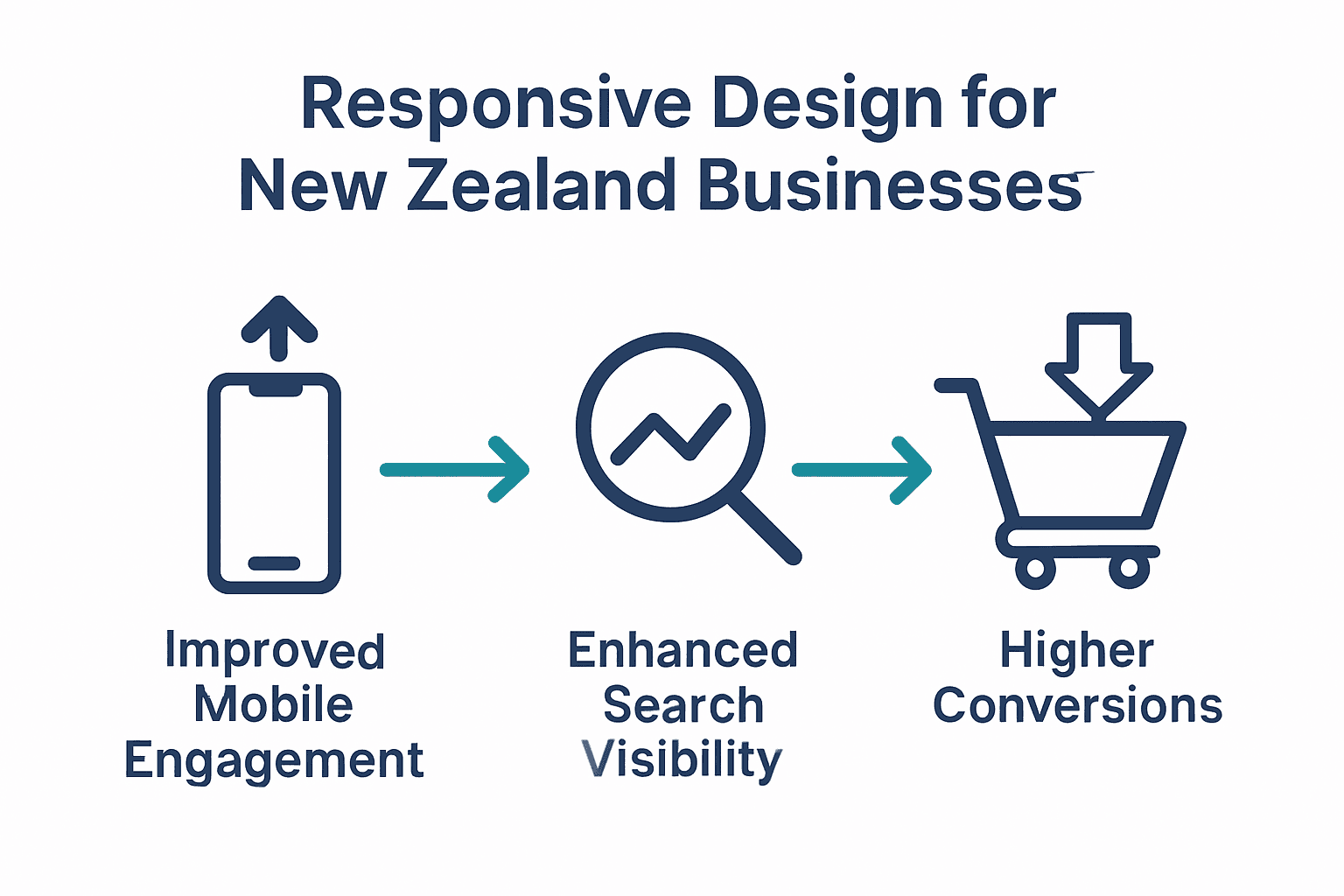
- Improved mobile user engagement
- Enhanced search engine visibility
- Reduced website maintenance costs
- Consistent brand representation
- Faster content distribution
- Higher conversion potential
- Streamlined analytics tracking
Net Branding recognizes that responsive design is more than a technical solution—it’s a strategic business tool.
 For New Zealand enterprises, this approach represents an opportunity to demonstrate technological sophistication, customer-centric thinking, and a commitment to providing exceptional digital experiences.
Customer Review:
“Our responsive website transformed our online strategy. We’ve seen a 45% increase in mobile traffic and significantly improved customer interactions.” – David Thompson, Wellington-based Entrepreneur
Frequently Asked Questions:
How quickly can a business implement responsive design?
Typically, a comprehensive responsive design project takes 4-8 weeks, depending on the complexity of the existing website and business requirements.What is the typical return on investment for responsive design?
Businesses often see a 20-40% improvement in conversion rates and user engagement within the first six months of implementation.Does responsive design work for all types of businesses?
Yes, from small local shops to large enterprises, responsive design can be tailored to meet the specific needs of virtually any business model.
SEO, Performance, And Conversion Impacts
Responsive web design has become a critical factor in determining online success, directly influencing search engine rankings, website performance, and user conversion rates. According to Google Developers, this approach provides significant strategic advantages by offering a single URL across all devices, which simplifies indexing and reduces the risk of duplicate content while simultaneously improving site performance and user experience.
Search Engine Optimization represents a crucial benefit of responsive design. Moz emphasizes that implementing responsive techniques enhances website performance through faster load times and seamless cross-device experiences, which are critical factors in achieving higher search engine rankings. These technical optimizations translate directly into improved visibility and potential organic traffic growth for businesses.
Key performance and conversion impacts include:
- Reduced bounce rates
- Improved page loading speeds
- Enhanced mobile search rankings
- Consistent user experience across devices
- Lower website maintenance costs
- Higher engagement metrics
- More efficient analytics tracking
Net Branding understands that responsive design is more than a technical requirement—it’s a strategic business tool that directly influences digital performance. By prioritizing responsive techniques, companies can create websites that not only look professional but also deliver measurable business outcomes across multiple digital platforms.
Customer Review:
“After implementing responsive design, our website’s conversion rate increased by 37%. The seamless user experience made a massive difference.” – Rachel Morgan, Auckland E-commerce Manager
Frequently Asked Questions:
How quickly can responsive design improve SEO?
Most businesses see initial SEO improvements within 3-6 months of implementing comprehensive responsive design strategies.Does responsive design work for all types of websites?
Yes, from small local businesses to large enterprise platforms, responsive design can be customized to meet specific performance and conversion objectives.What is the typical investment for responsive web design?
From NZD 3,500, businesses can achieve a professionally designed responsive website tailored to their specific needs and performance goals.
Take Your Website to the Next Level with Responsive Design Expertise
Understanding why responsive design matters means recognising the challenges of reaching customers across multiple devices. If your website is not adapting smoothly to smartphones, tablets and desktops users might get frustrated and leave. Key pain points include poor mobile engagement, slow loading times, and inconsistent user experience. These issues can damage your online presence and reduce conversions. By embracing concepts like flexible grids, fluid images and intelligent breakpoints from our article you can ensure your site looks great and works perfectly everywhere.
Don’t let your business fall behind in the digital age. At Responsive Website Design, we specialise in creating custom WordPress websites that combine stunning responsive design with SEO optimisation tailored for New Zealand businesses. Explore our comprehensive solutions in the Website Archives or dive into best practices in SEO Archives to boost your search engine performance. Act now to create a seamless, engaging online experience that turns visitors into loyal customers. Start your responsive journey today by visiting Responsive Website Design and let us help your business grow.
Frequently Asked Questions
What is responsive design?
Responsive design is an approach to web development that ensures websites function seamlessly across various devices and screen sizes, automatically adjusting layouts and content for optimal user experience.
Why is responsive design important for SEO?
Responsive design improves SEO by providing a single URL for all devices, enhancing user experience, reducing bounce rates, and leading to better search engine rankings due to faster loading times and seamless functionality.
How does responsive design impact user engagement?
Responsive design increases user engagement by providing a consistent and enjoyable experience across different devices, reducing frustration from navigation and layout issues.
Can existing websites be converted to responsive design?
Yes, you can retrofit most existing websites with responsive design techniques, though the complexity and cost will depend on the current website’s structure and features.
Recommended
- What Is Responsive Design? Complete Guide Explained – ResponsiveWebsiteDesign
- What Is Responsive Design? Complete Guide Explained – ResponsiveWebsiteDesign
- Responsive Design Tutorial: Build Mobile-Friendly Websites – ResponsiveWebsiteDesign
- 7 Key Benefits of Responsive Websites for Business Growth – ResponsiveWebsiteDesign
- Understanding Responsive Design Essentials for Growth
- The Essential Guide to UI in SaaS Conversion