
Every australian business striving to build a powerful online presence faces an early challenge. Nearly 70 percent of digital projects struggle because initial ideas are never properly visualised. Without a clear, testable website prototype, miscommunication and wasted resources become common. Understanding website prototyping not only reduces risk but sets the stage for smarter, more confident digital decisions that save time and money.
Table of Contents
- Defining Website Prototyping And Its Purpose
- Client Success Review
- Frequently Asked Questions
- Types Of Website Prototypes And Key Differences
- Client Success Review
- Frequently Asked Questions
- How The Prototyping Process Works In Practice
- Client Success Review
- Frequently Asked Questions
- Benefits For Small And Medium Businesses
- Client Success Review
- Frequently Asked Questions
- Risks, Costs And Common Pitfalls To Avoid
- Client Success Review
- Frequently Asked Questions
Key Takeaways
| Point | Details |
|---|---|
| Website Prototyping Purpose | It facilitates early validation of design concepts, reducing development risks and ensuring clarity in digital strategies. |
| Prototyping Types | Various fidelity levels (low, mid, high) allow businesses to choose the appropriate complexity for their needs. |
| Benefits for SMBs | Prototyping helps small and medium businesses test concepts without significant investment, optimising resources and minimising risks. |
| Common Risks | Financial overruns and design misalignment are key risks; clear communication and iterative processes are essential to mitigate them. |
Defining Website Prototyping and Its Purpose
Website prototyping represents a strategic design approach that transforms abstract digital concepts into tangible visual representations before full development begins. Prototyping is the process of designing a mock-up of a product or process ahead of creating a final design, enabling businesses to visualise and validate their digital vision with precision and clarity.
At its core, website prototyping involves creating an early sample or model that outlines the structural framework, user interface, and potential functionality of a digital platform. Website prototyping involves creating an early sample or model of a website to test and validate design concepts, serving as a critical bridge between conceptual thinking and practical implementation. This method allows designers, developers, and stakeholders to collaborate effectively, identifying potential design challenges and user experience improvements before significant resources are invested.
The purpose of website prototyping extends beyond mere visual representation. It serves multiple strategic objectives for businesses seeking to develop robust online platforms:
- Reduce development risks by testing concepts early
- Validate user interface and experience design
- Facilitate clearer communication among project stakeholders
- Minimise potential redesign costs
- Enable iterative improvements before final implementation
For Net Branding clients, website prototyping offers a structured pathway to transform digital aspirations into functional, user-centric web experiences that align precisely with business objectives.
Client Success Review
“Working with the team on our website prototype was transformative. They helped us visualise our digital strategy with remarkable clarity.” – Sarah Thompson, Marketing Director, Local NZ Business
Frequently Asked Questions
How long does a website prototype take?
Typically 1-2 weeks, depending on project complexity.What tools are used in website prototyping?
Professional design tools like Figma, Sketch, and Adobe XD.Can prototypes be modified during development?
Absolutely. Prototypes are meant to be flexible and evolving documents.
Types of Website Prototypes and Key Differences
Website prototypes represent a spectrum of design complexity, each serving unique purposes in the digital development process. Website prototypes vary in fidelity levels, ranging from basic layout representations to highly detailed interactive models, offering businesses flexible approaches to visualising their digital platforms.
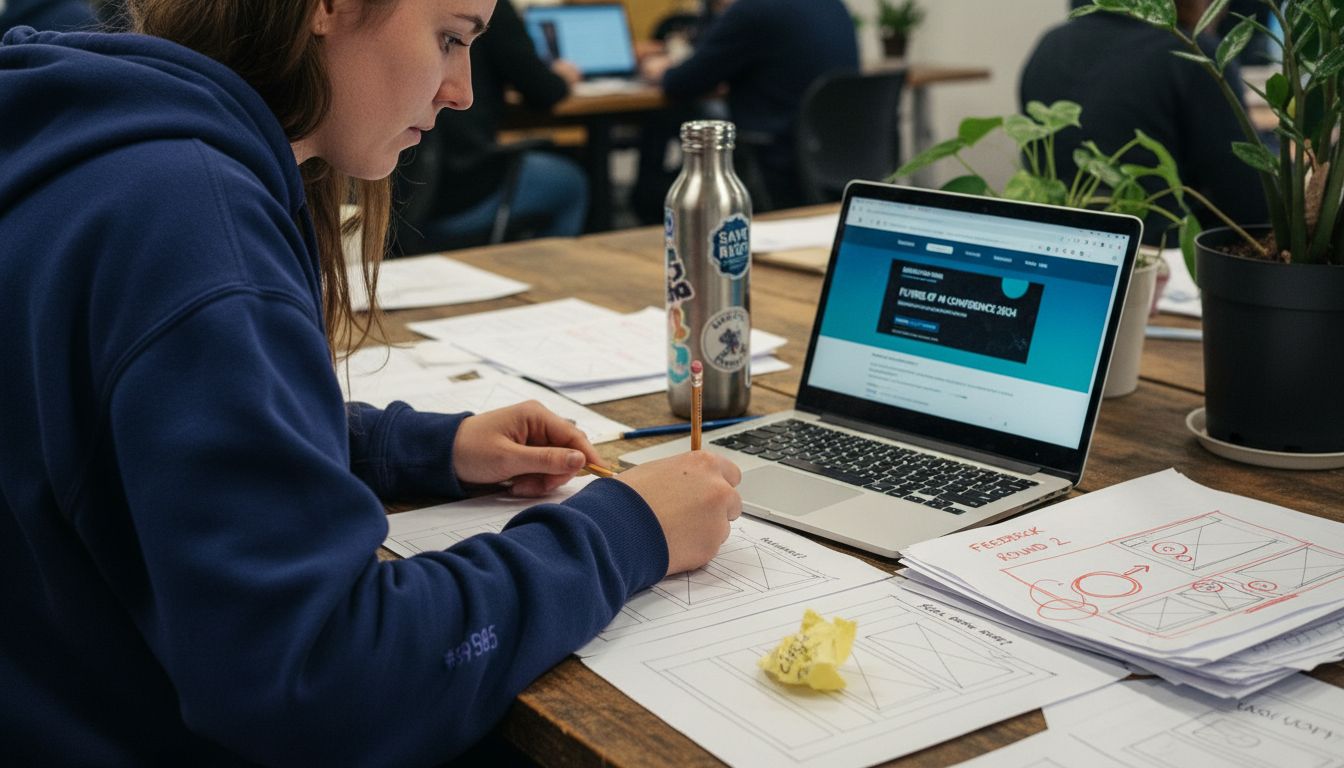
Prototype Fidelity Levels provide designers and stakeholders with strategic options for representing website concepts. Low-fidelity prototypes serve as initial structural sketches, mid-fidelity prototypes introduce interactive elements, while high-fidelity prototypes closely mirror the final product’s appearance and functionality. Prototypes are categorised by their level of detail and interactivity, allowing teams to progressively refine their digital vision.
The primary prototype types include:
Low-Fidelity Prototypes
- Hand-drawn sketches
- Basic wireframes
- Minimal visual design
- Quick conceptual exploration
Mid-Fidelity Prototypes
- Clickable mockups
- More refined visual elements
- Basic interaction simulation
- Digital wireframes with some interactivity
High-Fidelity Prototypes
- Pixel-perfect design representations
- Full interactive functionality
- Closely matches final product
- Advanced user experience simulation
For Net Branding clients, understanding these prototype variations enables more strategic digital development, ensuring efficient communication and precise implementation of website design concepts.
Client Success Review
“The prototype variations helped us truly understand our digital strategy before investing significant resources.” – Michael Roberts, Digital Strategy Manager
Frequently Asked Questions
How long does each prototype type take to create?
Low-fidelity: 1-2 days, Mid-fidelity: 3-5 days, High-fidelity: 1-2 weeks.Which prototype type is most cost-effective?
Low-fidelity prototypes offer the most economical initial design exploration.Can prototypes be skipped in website development?
No. Prototypes are crucial for identifying potential design and functionality issues early.
How the Prototyping Process Works in Practice
The prototyping process involves designing a mock-up of a product or process to visualise and test design concepts before final development. This strategic approach enables businesses to transform abstract digital ideas into tangible, actionable design blueprints through a systematic and collaborative methodology.
Website Prototyping Workflow encompasses several critical stages that progressively refine and validate digital concepts. Website prototyping entails creating early models of a website to test and validate design concepts, involving a structured progression from initial concept to interactive model. The typical workflow includes conceptualisation, initial sketching, digital wireframing, interactive mockup development, and iterative refinement.
The core stages of the prototyping process include:
Conceptual Planning
- Define project objectives
- Identify target user requirements
- Outline primary website functionalities
- Establish design constraints
Initial Sketching
- Create hand-drawn wireframes
- Map basic structural layout
- Explore initial design concepts
- Quickly iterate design ideas
Digital Wireframing
- Transform sketches into digital formats
- Define page layouts
- Establish content hierarchy
- Create clickable prototype elements
Interactive Mockup Development
- Add visual design elements
- Implement user interaction simulations
- Test navigation and user flow
- Refine design based on initial feedback
Iterative Refinement
- Conduct user testing
- Gather stakeholder feedback
- Make progressive design adjustments
- Validate design against original objectives
For Net Branding clients, this meticulous process ensures that website prototypes are not merely visual representations but strategic tools for digital transformation, minimising development risks and maximising user experience potential.
Client Success Review
“The systematic prototyping approach helped us visualise our digital strategy with unprecedented clarity.” – Emma Williams, Digital Marketing Manager
Frequently Asked Questions
How long does the entire prototyping process take?
Typically 2-4 weeks, depending on project complexity.Who is involved in the prototyping process?
Designers, developers, stakeholders, and potential end-users.What tools are used in website prototyping?
Figma, Sketch, Adobe XD, and InVision are commonly used professional tools.
Benefits for Small and Medium Businesses
Prototyping provides small and medium businesses with a method to design and test product concepts before final development. This strategic approach offers a critical advantage for organisations with limited resources, enabling them to mitigate financial risks and validate digital concepts before substantial investment.
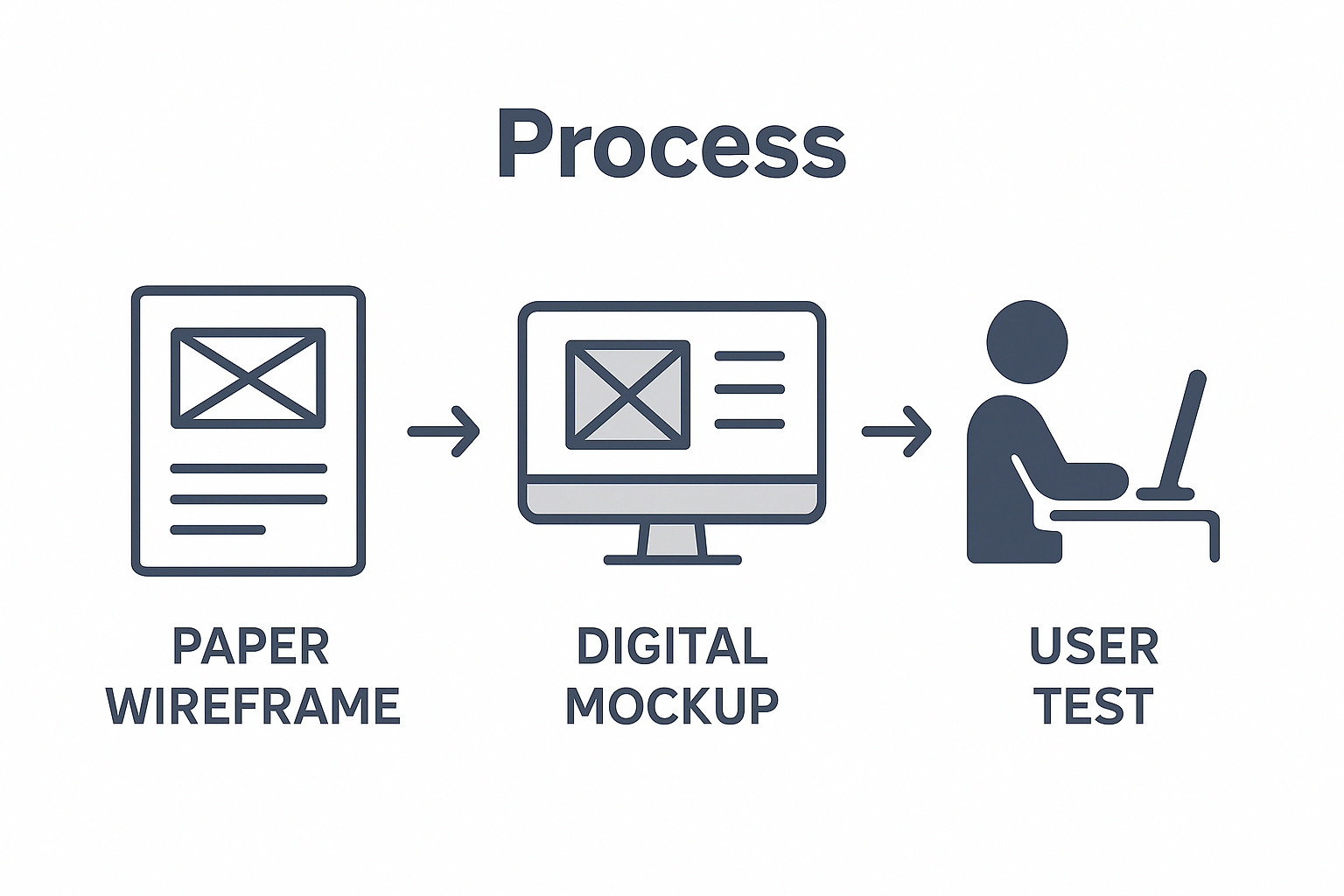
Digital Transformation Strategy for small and medium businesses hinges on smart, cost-effective design processes. Website prototyping emerges as a powerful tool that allows companies to explore digital possibilities without committing extensive financial or technical resources. By creating preliminary design models, businesses can test user experience, validate functionality, and refine their digital vision with minimal upfront expenditure.
The key benefits for small and medium businesses include:
Cost Efficiency
- Reduce expensive redesign risks
- Minimise development expenditure
- Test concepts before full investment
- Prevent unnecessary feature development
Strategic Risk Management
- Identify potential design flaws early
- Validate user experience concepts
- Align digital solutions with business objectives
- Prevent costly post-launch modifications
Competitive Advantage
- Accelerate digital transformation
- Create more user-centric websites
- Rapidly iterate design concepts
- Demonstrate technological adaptability
Resource Optimisation
- Streamline development processes
- Focus technical resources effectively
- Enable precise project scoping
- Improve collaboration between teams
For Net Branding clients, website prototyping represents a strategic pathway to digital excellence, offering small and medium businesses a sophisticated yet accessible approach to transforming their online presence.
Client Success Review
“Prototyping allowed us to understand our digital potential without overwhelming our budget.” – David Thompson, Small Business Owner
Frequently Asked Questions
How much does website prototyping cost?
From NZD 1,500, depending on project complexity.Can prototyping work for all business types?
Yes, prototyping is adaptable across diverse industry sectors.How quickly can a prototype be developed?
Typically between 1-3 weeks, based on project requirements.
Risks, Costs and Common Pitfalls to Avoid
Risks associated with prototyping include potential resource wastage if not managed properly and the possibility of misalignment with user needs. Understanding these potential challenges is crucial for businesses seeking to leverage website prototyping effectively, ensuring strategic investment and minimising unnecessary expenditure.
The financial landscape of website prototyping demands careful navigation. Prototype Development Costs can vary significantly, with potential risks including over-investment in preliminary design stages, scope creep, and inefficient resource allocation. Businesses must approach prototyping with a strategic mindset, balancing innovative exploration with pragmatic budgetary constraints.
Key risks and potential pitfalls include:
Financial Risks
- Unexpected budget overruns
- Excessive time investment
- Disproportionate design expenditure
- Hidden implementation costs
Design Misalignment
- Failing to capture user requirements
- Creating aesthetically pleasing but non-functional interfaces
- Overlooking critical user experience elements
- Misinterpreting stakeholder expectations
Technical Challenges
- Incompatibility with existing systems
- Limited scalability of initial prototype
- Technology constraints
- Integration difficulties
Communication Breakdown
- Miscommunication between design teams
- Inadequate stakeholder engagement
- Unclear project objectives
- Lack of consistent feedback mechanisms
For Net Branding clients, mitigating these risks requires a structured approach that emphasises clear communication, realistic expectations, and iterative design processes.
Client Success Review
“Understanding potential pitfalls helped us navigate our digital transformation more confidently.” – Rebecca Chen, Operations Manager
Frequently Asked Questions
How can businesses minimise prototyping risks?
Establish clear objectives, maintain open communication, and conduct regular stakeholder reviews.What is a typical prototyping budget?
From NZD 2,000, depending on project complexity and requirements.How long should a prototype development process take?
Typically 2-4 weeks, with flexibility for complex projects.
Bring Your Website Prototype to Life with Expert WordPress Solutions
Transforming your website prototype into a fully functioning online platform can be challenging. This article highlights the importance of website prototyping to reduce risks, validate user experience, and optimise design before development. If you want to avoid costly redesigns and create a user-centric website that drives results, relying on expert development is key. Our team at ResponsiveWebsiteDesign specialises in custom WordPress design and development, perfectly suited for New Zealand small to medium businesses looking to maximise their digital footprint.
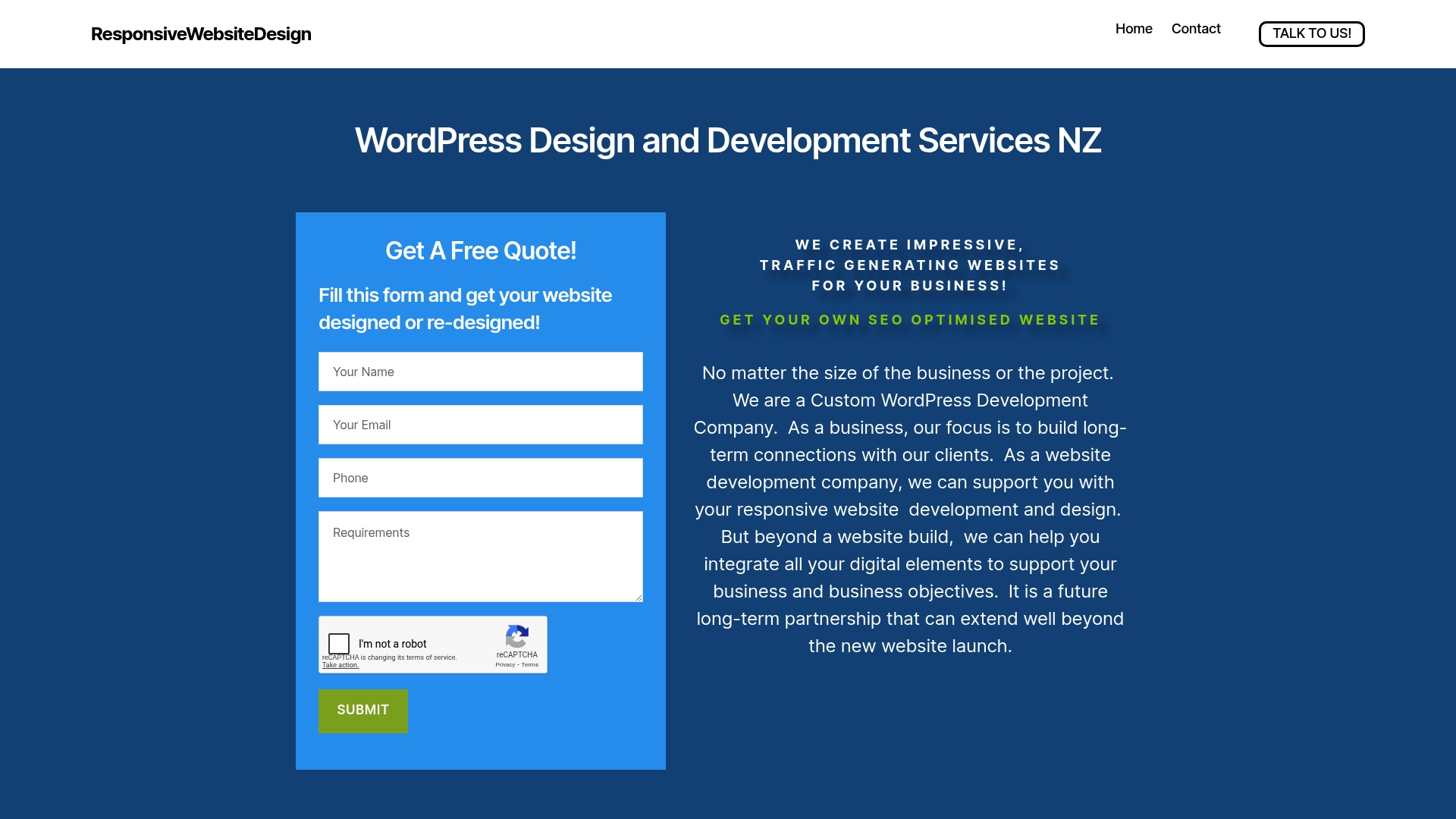
Explore how our solutions align with your prototyping goals by visiting our Website Archives. Let us help you move from prototype to polished website with responsive designs, SEO optimisation and ongoing support tailored for your business needs. Don’t wait until the final stages of development. Start your long-term partnership with us today by visiting ResponsiveWebsiteDesign and take the next step towards a website that truly reflects your vision.
Frequently Asked Questions
How long does a website prototype typically take to create?
Creating a website prototype usually takes between 1 to 2 weeks, depending on the complexity of the project.
What types of tools are commonly used for website prototyping?
Tools such as Figma, Sketch, and Adobe XD are popular for designing website prototypes due to their professional features.
Can website prototypes be modified during the development phase?
Yes, website prototypes are designed to be flexible and can be adjusted as needed throughout the development process.
What are the benefits of low-fidelity vs high-fidelity prototypes?
Low-fidelity prototypes are cost-effective and best for initial concept exploration, while high-fidelity prototypes closely resemble the final product, providing a detailed user experience simulation.
Recommended
- User Experience Design Process for Business Websites – ResponsiveWebsiteDesign
- Responsive Design Tutorial: Build Mobile-Friendly Websites – ResponsiveWebsiteDesign
- Why Invest in Web Design: Complete Guide for Business – ResponsiveWebsiteDesign
- Why Invest in Web Design: Complete Guide for Business – ResponsiveWebsiteDesign
- Top Workshop Organization Tips for Diesel Injection Technicians 2025 – My WordPress