
Over 60% of customers abandon websites after a poor first impression, showing how quickly user trust can vanish. For small business owners in New Zealand, building a site that rivals Australian competitors starts long before launch. Prototyping in web design turns your early ideas into interactive experiences, making it easier to test what works and fix what does not. This approach leads to a seamless user experience while keeping critical SEO objectives front and center.
Table of Contents
- Defining Prototyping In Web Design
- Types Of Prototypes And Their Distinctions
- How Prototyping Improves User Experience
- The Prototyping Workflow And Common Tools
- Risks, Costs, And Seo Considerations
- Missteps To Avoid With Web Prototypes
Key Takeaways
| Point | Details |
|---|---|
| Importance of Prototyping | Prototyping facilitates the visualisation and testing of design concepts, enabling refinement and enhancing user experience before full-scale development. |
| Types of Prototypes | Different prototypes, including paper sketches, wireframes, mockups, and interactive models, serve varying purposes depending on the design stage and objectives. |
| User Experience Enhancement | Prototyping allows for early identification of usability challenges and gathers user feedback, leading to improved user-centric designs. |
| Strategic Workflow | A structured prototyping workflow, combining ideation, low and high-fidelity prototyping, and user testing, is essential for successful web design outcomes. |
Defining prototyping in web design
Prototyping represents a critical methodology in web design that transforms conceptual ideas into tangible, interactive representations of digital interfaces. Web designers utilise this strategic approach to simulate design and functionality before full-scale development, enabling precise refinement and user experience optimization.
At its core, prototyping involves creating early model versions of websites that allow designers and stakeholders to visualise, test, and validate design concepts. These models range from basic sketches to sophisticated interactive mockups, each serving a specific purpose in the design evolution process. Experimental prototypes bridge the conceptual gap between initial ideas and functional interactive systems, providing a practical framework for assessing user interactions and interface dynamics.
The prototyping process typically encompasses several key stages that help businesses minimize development risks and align digital products with user expectations. These stages include:
- Conceptual sketching
- Low-fidelity wireframing
- Interactive digital mockups
- User testing and feedback collection
- Iterative design refinement
Net Branding recognises that effective prototyping enables businesses to validate design choices efficiently, reducing potential costly redesigns and ensuring the final website meets precise user requirements.
Pro tip: Invest in collaborative prototyping tools that allow real-time feedback and version tracking to streamline your web design process.
Types of prototypes and their distinctions
Web design prototypes vary significantly in complexity and purpose, offering designers multiple approaches to visualise and test digital interfaces. Prototype types are primarily distinguished by their fidelity levels, ranging from basic conceptual sketches to highly interactive, near-production representations that simulate complex user interactions.
The spectrum of prototype designs typically includes four primary categories:
- Paper Prototypes: Hand-drawn sketches representing initial concept layouts
- Wireframes: Structural representations focusing on page layout and content hierarchy
- Mockups: Visually refined designs incorporating colour, typography, and design elements
- Interactive Prototypes: Fully functional digital models simulating actual website interactions
Web design prototypes enable designers to explore different interaction models and user experience strategies before committing to final development. Each prototype type serves a unique purpose in the design process, allowing progressive refinement and validation of digital interfaces.
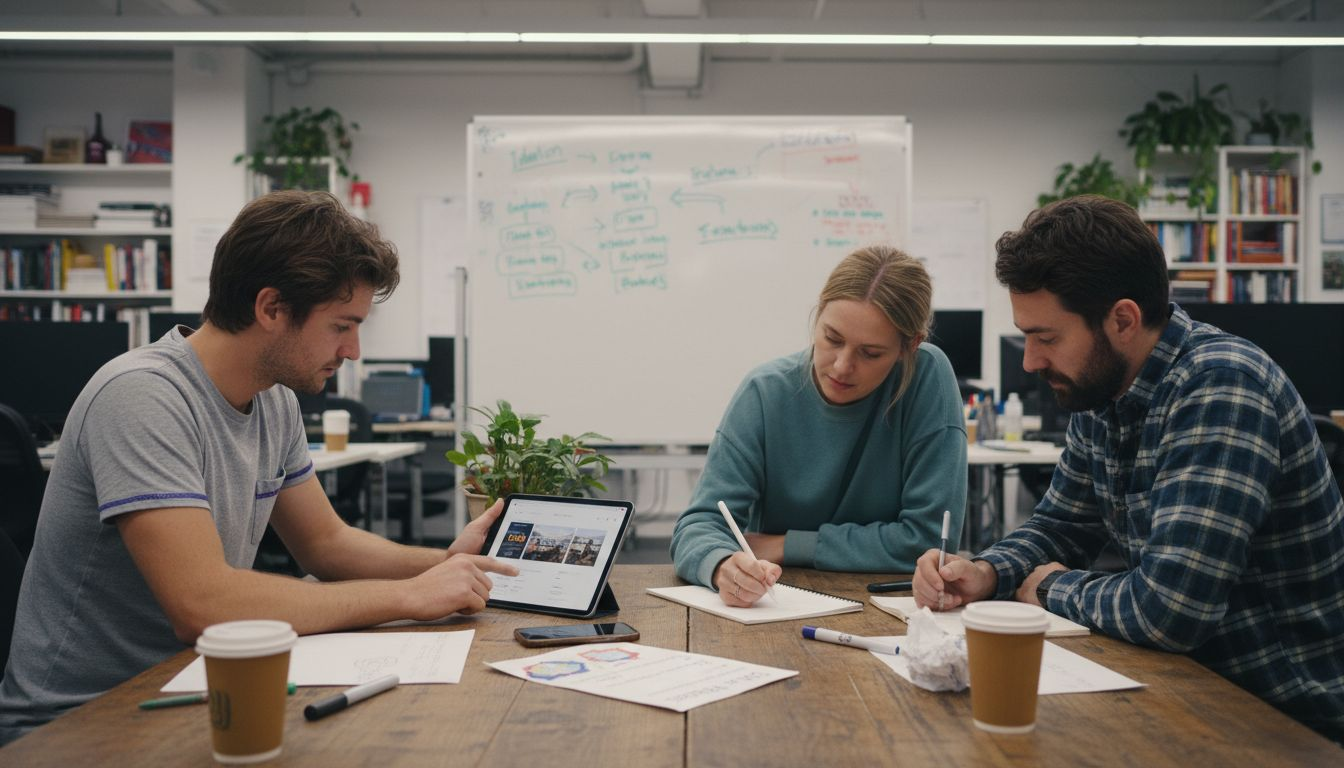
Net Branding understands that selecting the appropriate prototype complexity depends on project stage, stakeholder requirements, and specific design objectives. Low-fidelity prototypes offer quick conceptual validation, while high-fidelity versions provide detailed interaction insights that can significantly reduce development risks.
Here’s a quick reference comparing the main prototype types and when each is most useful:
| Prototype Type | Typical Usage Stage | Advantages | Business Impact |
|---|---|---|---|
| Paper Prototype | Early conceptualisation | Fast, cost-effective visualisation | Speeds idea generation |
| Wireframe | Planning and structure | Clarifies layout, user flow | Reduces miscommunication |
| Mockup | Visual design development | Detailed branding and styling | Enhances stakeholder confidence |
| Interactive Prototype | Advanced user experience | Realistic testing and feedback | Minimises costly redevelopment |
Pro tip: Choose prototype fidelity based on your project’s current stage and specific feedback requirements to maximise design efficiency.
How prototyping improves user experience
User experience design demands precise understanding of how people interact with digital interfaces. Prototyping enables designers to create tangible representations of ideas that can be systematically tested and refined, transforming abstract concepts into interactive experiences that directly address user needs and expectations.
The user experience improvement process through prototyping involves several critical mechanisms:
- Identifying potential usability challenges early
- Gathering authentic user feedback before full development
- Reducing expensive design modification risks
- Facilitating clearer communication between design teams
- Validating design assumptions through practical testing
Prototypes serve as powerful tools for uncovering hidden user interaction challenges that might remain invisible during traditional design documentation stages. By simulating real-world interactions, designers can observe how users navigate interfaces, detect potential friction points, and make informed refinements before investing significant resources in final development.
Net Branding recognises that effective prototyping transforms user experience from theoretical concept to practical, user-centred design. The iterative nature of prototyping ensures continuous improvement, allowing businesses to create digital interfaces that are not just functional, but genuinely engaging and intuitive for their target audience.
Pro tip: Conduct multiple rounds of user testing with progressively sophisticated prototypes to progressively enhance your design’s user experience.
The prototyping workflow and common tools
Web design prototyping requires a structured approach that transforms conceptual ideas into functional digital experiences. The workflow encompasses a systematic progression from initial concept to refined interactive model, enabling designers to test and validate design solutions before full implementation.
A typical prototyping workflow involves several critical stages:
- Ideation and Concept Development
- Define project objectives
- Identify user needs and expectations
- Sketch initial design concepts
- Low-Fidelity Prototyping
- Create basic wireframes
- Establish layout and navigation structure
- Validate fundamental design principles
- High-Fidelity Prototype Development
- Add visual design elements
- Implement interactive features
- Simulate user interactions
- User Testing and Iteration
- Conduct usability testing
- Gather user feedback
- Refine design based on insights
Digital prototyping tools enable designers to create increasingly sophisticated design representations that bridge the gap between conceptual thinking and practical implementation. These tools support collaborative design processes, allowing teams to rapidly prototype and validate design solutions.
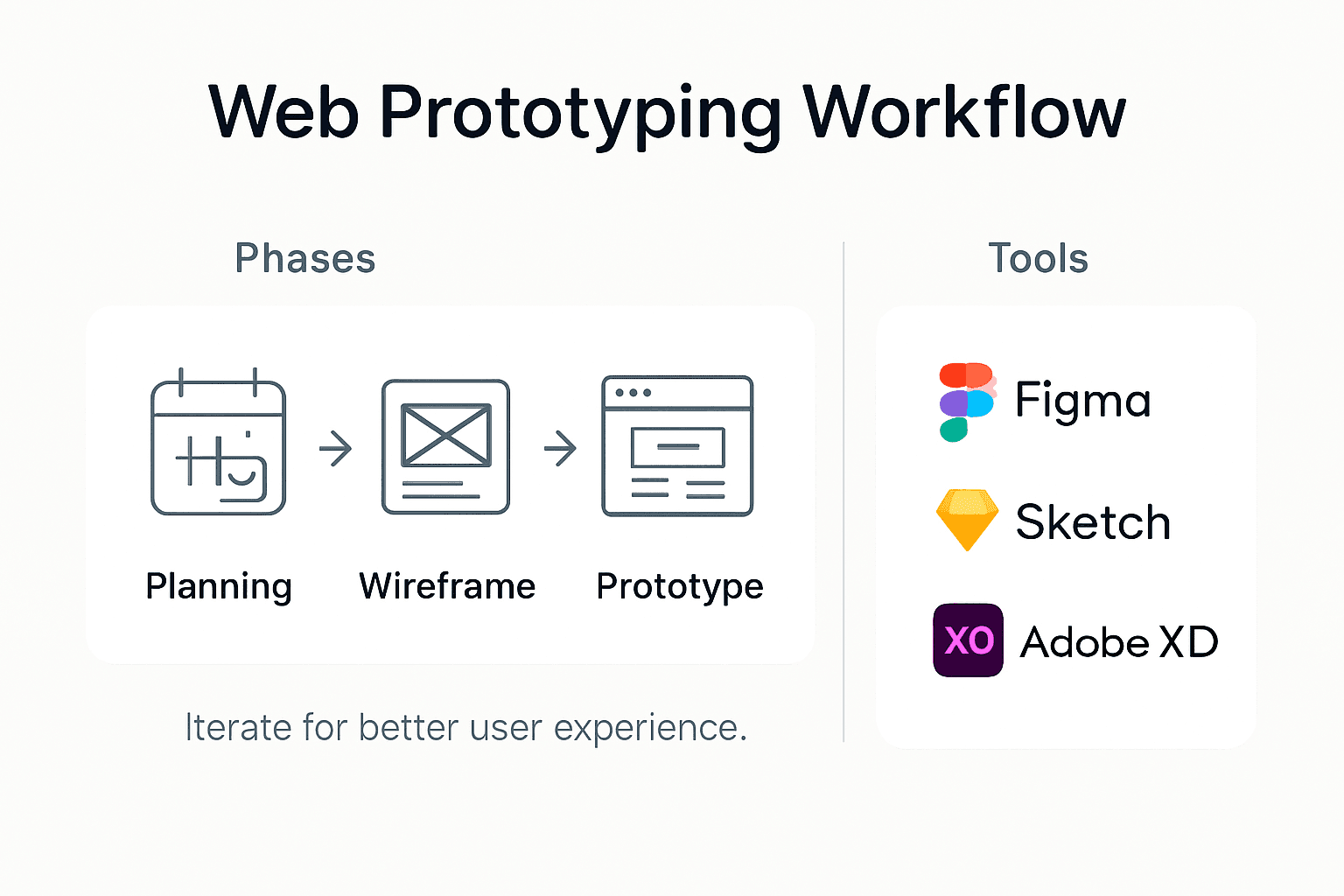
Net Branding recognises that effective prototyping workflows combine strategic planning, iterative design, and user-centred testing to create digital experiences that genuinely meet business and user requirements.
Pro tip: Select prototyping tools that integrate seamlessly with your design team’s workflow and provide robust collaboration features.
Risks, costs, and SEO considerations
Web design prototyping involves strategic financial and technical considerations that can significantly impact project outcomes. Organisations must carefully manage prototyping investments to balance thoroughness with cost-effectiveness, understanding that premature high-fidelity prototyping can unexpectedly escalate development expenses.
Key risks in the prototyping process include:
- Overinvesting in detailed prototypes before validating core concepts
- Miscommunicating prototype status to stakeholders
- Potential misalignment between prototype and final design implementation
- Unintentional SEO complications during design exploration
Prototyping costs vary dramatically depending on complexity and approach:
- Low-Fidelity Prototypes (NZD 500 – NZD 2,000)
- Quick conceptual sketches
- Minimal time investment
- Basic user flow validation
- High-Fidelity Interactive Prototypes (NZD 2,500 – NZD 10,000)
- Detailed interactive models
- Comprehensive user experience simulation
- Advanced design validation
Effective prototyping requires strategic SEO considerations to ensure design choices support search engine optimization objectives, preventing potential ranking or visibility challenges during later development stages.
Net Branding emphasises the importance of integrating SEO thinking throughout the prototyping process, ensuring that design decisions support both user experience and search engine performance from the earliest stages.
The following table summarises major prototyping risks and recommended mitigation strategies:
| Risk | Business Consequence | Mitigation Strategy |
|---|---|---|
| Premature high-fidelity prototyping | Unnecessary cost increases | Align fidelity with project stage |
| Miscommunicated prototype status | Stakeholder confusion | Clear documentation and updates |
| Ignored SEO considerations | Poor search ranking | Integrate SEO from prototype phase |
| Overlooking technical feasibility | Implementation delays | Engage developers early |
Pro tip: Allocate approximately 10% of your project budget specifically for prototype testing and iterative refinement to mitigate unexpected development risks.
Missteps to avoid with web prototypes
Web prototype development demands strategic attention to prevent costly design errors that can derail project success. Designers must carefully navigate common pitfalls that can compromise the effectiveness of their prototyping efforts, understanding that each decision can significantly impact the final user experience.
Critical missteps to avoid during web prototyping include:
- Creating overly complex prototypes too early
- Neglecting user feedback and usability testing
- Failing to establish clear design objectives
- Overlooking technical feasibility and implementation constraints
- Miscommunicating prototype purpose to stakeholders
- Premature High-Fidelity Prototyping
- Wastes significant design resources
- Reduces flexibility for concept modifications
- Creates unrealistic stakeholder expectations
- Ignoring User Experience Fundamentals
- Skipping essential user testing phases
- Designing without comprehensive user insights
- Neglecting accessibility and responsive design principles
Effective prototyping requires maintaining a balance between conceptual exploration and practical implementation, ensuring that design iterations remain focused and purposeful. Net Branding recognises that successful prototypes emerge from disciplined, user-centered design approaches that prioritise genuine user needs over aesthetic complexity.
Understanding these potential missteps enables design teams to create more targeted, meaningful prototypes that genuinely enhance digital product development.
Pro tip: Establish clear prototype goals and success metrics before beginning any design iteration to maintain focus and prevent unnecessary complexity.
Elevate Your Website with Expert Prototyping and User-Centred Design
Struggling to turn your website ideas into engaging, user-friendly experiences Prototyping in web design is vital to identify usability challenges early and deliver exactly what your customers need. By focusing on interactive prototypes and iterative design refinement, you can avoid costly redesigns and create a website that truly reflects your business goals. Explore insights and success stories in our Website Archives to see how thoughtful design boosts digital performance.
Ready to build a responsive, SEO-friendly WordPress website with a clear user experience focus Our team at Responsive Website Design specialises in custom WordPress development tailored to New Zealand businesses. Benefit from our comprehensive services that cover everything from initial concept prototyping to long-term website management. Don’t wait to transform your online presence. Contact us today and discover how strategic prototyping and expert web design elevate your business.
Frequently Asked Questions
What is prototyping in web design?
Prototyping in web design is a methodology that transforms conceptual ideas into tangible, interactive representations of digital interfaces, allowing for testing and validation before full-scale development.
What are the types of prototypes used in web design?
The main types of prototypes in web design include paper prototypes, wireframes, mockups, and interactive prototypes, each serving different purposes at various stages of the design process.
How does prototyping improve user experience?
Prototyping improves user experience by facilitating early identification of usability challenges, gathering user feedback, and allowing iterative refinement, ensuring that the final design meets user needs and expectations.
What are common risks involved in the prototyping process?
Common risks include overinvesting in detailed prototypes before validating core concepts, miscommunication with stakeholders, and overlooking SEO considerations, which can affect the project’s success and costs.
Recommended
- Website Prototyping: Transforming Design into Results – ResponsiveWebsiteDesign
- User Experience Design Process for Business Websites – ResponsiveWebsiteDesign
- 7 Essential User Experience Tips for Business Websites – ResponsiveWebsiteDesign
- How to Improve User Experience for Business Websites – ResponsiveWebsiteDesign