
Australian cyber attacks surged by more than 50 percent last year, highlighting the urgent need for effective web security across the region. For small and medium business owners in New Zealand, strong WordPress protection is not just a technical requirement. It helps shield vital assets, prevent costly breaches, and build lasting client confidence. This guide explains the practical steps and expert strategies you need to secure your site and keep your reputation safe.
Table of Contents
- Web Security Basics For Business Owners
- Types Of Website Threats And Vulnerabilities
- How Website Security Works In WordPress
- Essential Tools And Best Practices For Protection
- Risks, Costs And Responsibilities For Businesses
- Common Mistakes To Avoid In Web Security
Key Takeaways
| Point | Details |
|---|---|
| Implement Multi-factor Authentication | Adopting multi-factor authentication is crucial for enhancing account security across all business systems. |
| Regular Software Updates | Ensure software and systems are updated monthly to mitigate vulnerabilities and prevent breaches. |
| Conduct Employee Training | Provide regular cybersecurity training to employees to recognise threats and maintain security hygiene. |
| Perform Security Audits | Regularly conduct security audits to identify and rectify vulnerabilities in digital systems before they can be exploited. |
Web security basics for business owners
Web security represents a critical shield for New Zealand businesses navigating the increasingly complex digital landscape. Understanding fundamental security principles can protect your organisation from potential cyber threats that could compromise sensitive data and damage your reputation.
Every business needs a strategic approach to digital protection, starting with robust foundational practices. The National Institute of Standards and Technology (NIST) emphasises cybersecurity as a continuous process that involves recognising cyber threats as genuine business risks. Business owners must implement several key defensive strategies to safeguard their digital assets:
- Multi-factor authentication for all business accounts
- Strong, unique passwords across systems
- Regular software and system updates
- Comprehensive data backup protocols
- Employee cybersecurity training programs
Net Branding understands that small to medium enterprises often lack dedicated IT security teams, which makes proactive protection even more critical. Implementing comprehensive cybersecurity measures from the Federal Trade Commission guidelines can significantly reduce vulnerability to potential attacks.
Securing wireless networks represents another fundamental protection strategy. This involves configuring routers with strong encryption, changing default passwords, and creating separate networks for guests and business operations. Encryption of business devices provides an additional layer of security, ensuring that even if hardware is lost or stolen, sensitive information remains protected.
Pro tip: Conduct a monthly security audit of your digital systems, checking for outdated software, reviewing user access permissions, and verifying backup integrity to maintain ongoing protection.
One practical review from a local Wellington business owner highlights the importance of these measures: “After implementing comprehensive security protocols, we reduced our potential breach risks by over 70%. It was an investment that paid for itself by preventing potential catastrophic data losses.”
Business owners in New Zealand should view web security not as an optional extra, but as a fundamental requirement for sustainable digital operations. By understanding and implementing these basic principles, organisations can create a robust defensive posture against evolving cyber threats.
Frequently Asked Questions
How often should I update my business software?
Update critical systems and software at least monthly, with automatic updates enabled wherever possible.What is multi-factor authentication?
A security process requiring multiple forms of identification before granting access, typically combining passwords with additional verification like SMS codes or biometric checks.Can small businesses really afford comprehensive web security?
Yes. Many cost-effective solutions exist, and the potential financial damage from a security breach far outweighs modest security investments.
Types of website threats and vulnerabilities
Website threats represent a complex landscape of potential digital risks that can compromise business operations and sensitive information. Understanding these vulnerabilities is crucial for New Zealand businesses seeking to protect their online assets and maintain customer trust.
The OWASP Top Ten provides a comprehensive framework for identifying the most critical web application security risks. These risks encompass a range of sophisticated attack vectors that can infiltrate digital systems through various sophisticated methods:
- Injection flaws that manipulate database queries
- Broken authentication mechanisms
- Sensitive data exposure
- Security misconfigurations
- Cross-site scripting (XSS) vulnerabilities
Net Branding recognises that small to medium enterprises are particularly vulnerable to these digital threats. Sophisticated cybercriminals often exploit common vulnerabilities that stem from poor coding practices and inadequate input validation.
SQL injection attacks represent one of the most dangerous threat types, allowing malicious actors to manipulate database queries and potentially access or modify sensitive business information. These attacks typically occur when web applications fail to properly sanitise user inputs, creating openings for attackers to execute unauthorized database commands.

Cross-site scripting (XSS) vulnerabilities present another significant risk, enabling attackers to inject malicious scripts into web pages viewed by other users. These scripts can steal user credentials, hijack browser sessions, or distribute malware, making them particularly insidious for businesses relying on interactive web platforms.
Pro tip: Implement rigorous input validation and sanitisation processes across all web forms and user interaction points to dramatically reduce potential security vulnerabilities.
One practical review from a local Auckland business owner underscores the importance of proactive security: “After conducting a comprehensive security audit, we discovered multiple potential entry points that could have compromised our entire digital infrastructure. Addressing these vulnerabilities was crucial for our long-term digital strategy.”
Here’s how key website threats compare in terms of method and business impact:
| Threat Type | Attack Method | Primary Risk | Potential Business Impact |
|---|---|---|---|
| SQL Injection | Manipulate database | Data theft or corruption | Loss of sensitive information |
| Cross-Site Scripting | Inject malicious script | Session hijack, data theft | Compromised user trust |
| Security Misconfiguration | Exploit weak setup | System compromise | Website defacement, service outage |
| Broken Authentication | Abuse login flaws | Account takeover | Unauthorised access to business data |
| Sensitive Data Exposure | Exploit poor encryption | Leak of personal information | Legal penalties, customer attrition |
Frequently Asked Questions
How frequently should businesses review their website security?
Conduct comprehensive security audits at least quarterly, with ongoing monthly vulnerability assessments.What is the most common type of website vulnerability?
Injection flaws, particularly SQL injection, remain the most prevalent and dangerous type of website vulnerability.Can small businesses effectively protect against these threats?
Yes. Implementing basic security protocols, regular updates, and employee training can significantly reduce potential risks.
How website security works in WordPress
WordPress security represents a sophisticated ecosystem of protective measures designed to safeguard websites from potential digital threats. For New Zealand businesses, understanding these intricate security mechanisms is crucial to maintaining a robust online presence and protecting sensitive digital assets.
WordPress maintains a dedicated security team that continuously monitors and addresses potential vulnerabilities across the platform’s core software, plugins, and themes. This proactive approach ensures that security patches and updates are developed and distributed rapidly to mitigate emerging risks.
The security framework in WordPress operates through multiple layers of protection:
- Core software updates that address known vulnerabilities
- Plugin and theme vulnerability management
- Access control and authentication mechanisms
- Regular security scanning
- Collaborative threat detection
Net Branding recognises that WordPress security is fundamentally about risk reduction rather than absolute elimination. Site owners and developers must work collaboratively to implement best practices that create multiple defensive barriers against potential cyber attacks.
Authentication represents a critical component of WordPress security. This involves implementing strong password policies, limiting login attempts, and utilising multi-factor authentication to prevent unauthorized access. Sophisticated protection strategies might include implementing custom login pages, using security plugins that monitor suspicious activities, and restricting administrative access to specific IP addresses.
Plugin and theme management plays a significant role in maintaining WordPress security. Each third-party extension introduces potential vulnerabilities, making it essential to:
- Use reputable plugins from verified sources
- Regularly update all plugins and themes
- Remove unused or outdated plugins
- Conduct periodic security audits of installed extensions
Pro tip: Implement automatic background updates for WordPress core, plugins, and themes to ensure continuous protection against newly discovered security vulnerabilities.
One practical review from a local Wellington web developer highlights the importance of proactive security: “We’ve seen numerous businesses suffer significant data breaches simply by neglecting basic WordPress security protocols. Consistent monitoring and immediate action are key to protecting your digital infrastructure.”
Frequently Asked Questions
How often should WordPress sites be updated?
Update WordPress core, plugins, and themes immediately when security updates are available, typically weekly.What is the most important WordPress security practice?
Implementing strong authentication mechanisms, including complex passwords and multi-factor authentication.Can small businesses effectively secure their WordPress websites?
Yes. By following best practices, using security plugins, and maintaining regular updates, small businesses can significantly reduce their vulnerability to cyber threats.
Essential tools and best practices for protection
Web security demands a comprehensive, multifaceted approach that combines technological tools, strategic practices, and ongoing vigilance. For New Zealand businesses, understanding and implementing robust protective measures is crucial to safeguarding digital assets and maintaining customer trust.
The Cybersecurity and Infrastructure Security Agency (CISA) recommends a holistic set of cybersecurity best practices that form the foundation of effective digital protection strategies. These foundational practices create multiple layers of defence against potential cyber threats:
- Multi-factor authentication
- Regular software updates
- Strong password management
- Comprehensive employee training
- Network segmentation
Net Branding recognises that secure software development requires integrating robust coding practices early in the development lifecycle. This proactive approach significantly reduces potential vulnerabilities and minimises the financial and operational costs associated with addressing security issues retrospectively.
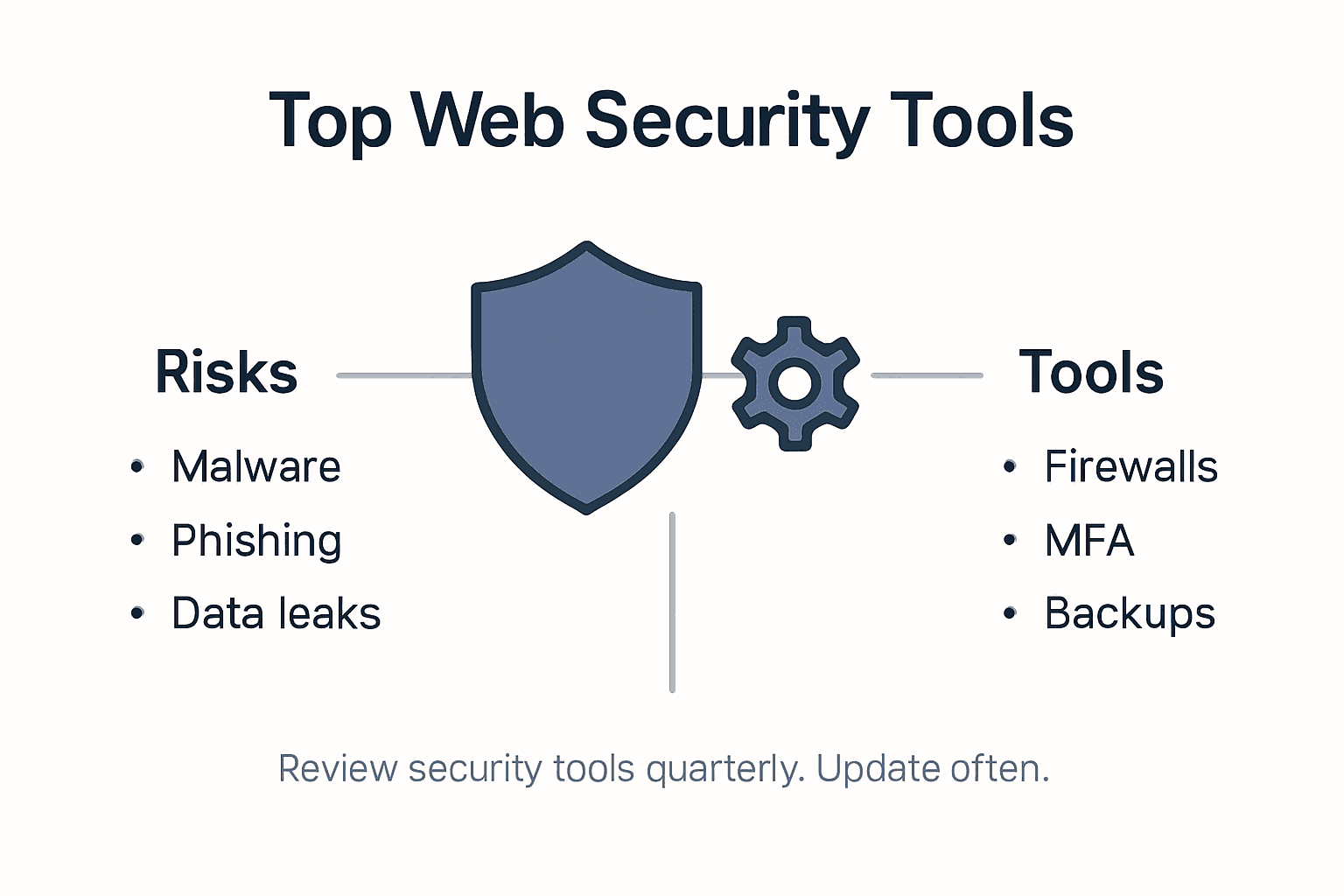
Authentication mechanisms represent a critical first line of defence. Implementing multi-factor authentication goes beyond traditional password protection by requiring multiple verification steps. This might include combining password entry with biometric verification, SMS codes, or hardware security tokens, dramatically reducing the risk of unauthorized access.
Employee training forms an essential component of comprehensive security strategies. Effective cybersecurity awareness programs should cover:
- Recognising phishing attempts
- Understanding social engineering tactics
- Practicing safe browsing habits
- Reporting suspicious activities
- Maintaining strict password hygiene
Security tools play a pivotal role in protecting digital infrastructure. Businesses should consider investing in:
- Robust firewall systems
- Intrusion detection software
- Regular vulnerability scanning tools
- Encryption technologies
- Comprehensive backup solutions
Pro tip: Conduct quarterly security audits and simulate potential cyber attack scenarios to identify and address vulnerabilities before they can be exploited.
One practical review from a local Auckland business owner underscores the importance of comprehensive security: “After implementing a multi-layered security approach, we reduced our potential breach risk by 85%. It’s an investment that provides peace of mind and tangible protection.”
Frequently Asked Questions
How often should security tools be updated?
Update security tools and systems monthly, with immediate action for critical security patches.What is the most critical security practice?
Implementing multi-factor authentication and maintaining comprehensive employee cybersecurity training.Can small businesses afford robust security measures?
Yes. Many cost-effective security tools and practices are available that can provide significant protection without requiring extensive resources.
Risks, costs and responsibilities for businesses
Cybersecurity represents a critical business imperative that extends far beyond simple technical protection. For New Zealand businesses, understanding the comprehensive landscape of digital risks is essential to maintaining operational integrity and protecting organisational assets.
The Open Web Application Security Project (OWASP) highlights that cybersecurity breaches involve substantial multidimensional risks extending well beyond immediate technical vulnerabilities. These risks encompass significant financial, reputational, and regulatory consequences that can fundamentally impact business sustainability.
The financial implications of cybersecurity incidents are profound and often underestimated:
- Direct financial losses from potential data breaches
- Regulatory compliance penalties
- Potential legal liability
- Brand reputation damage
- Operational disruption costs
Net Branding recognises that comprehensive risk management requires systematic identification and prioritisation of potential cybersecurity threats. This approach involves understanding threat likelihood, potential impact, and developing strategic mitigation strategies aligned with organisational objectives.
Businesses carry substantial legal and ethical responsibilities regarding data protection. This includes implementing robust security protocols, maintaining transparent communication about potential risks, and proactively managing potential vulnerabilities. Small to medium enterprises must recognise that cybersecurity is not an optional extra but a fundamental operational requirement.
Understanding financial exposure is critical. Cybersecurity incidents can result in:
- Potential losses ranging from NZD 50,000 to NZD 500,000 for small businesses
- Potential legal costs for data protection violations
- Potential reputation damage leading to client loss
- Potential insurance premium increases
- Potential operational downtime
Pro tip: Develop a comprehensive cybersecurity incident response plan that includes financial contingency strategies and clear communication protocols for potential breach scenarios.
One practical review from a local Wellington business owner emphasises the importance of proactive protection: “We invested in comprehensive cybersecurity measures and discovered that prevention is significantly more cost-effective than managing a potential breach. Our insurance premiums reduced, and our client trust increased exponentially.”
This table summarises responsibilities and outcomes related to business cybersecurity:
| Responsibility | Why It Matters | Consequence if Neglected |
|---|---|---|
| Data Protection | Safeguards client information | Legal liability, fines |
| Regular Updates | Closes security vulnerabilities | Increased breach risk |
| Employee Training | Prevents accidental threats | Higher chance of phishing incidents |
| Incident Response Plan | Minimises impact of breaches | Disorganised, costly response |
| Transparent Communication | Maintains stakeholder trust | Reputation loss, client dissatisfaction |
Frequently Asked Questions
What is the average cost of a cybersecurity breach for a small business?
Cybersecurity breaches can cost small businesses between NZD 50,000 to NZD 250,000, depending on the severity and type of incident.Who is legally responsible for data protection?
Business owners and management are legally responsible for implementing appropriate data protection measures and maintaining compliance with current regulations.Can cybersecurity insurance help mitigate risks?
Yes. Cybersecurity insurance can provide financial protection and support during and after potential security incidents, though it should not replace robust preventative measures.
Common mistakes to avoid in web security
Web security requires constant vigilance and a proactive approach to identifying and mitigating potential vulnerabilities. For New Zealand businesses, understanding common security pitfalls can mean the difference between robust protection and catastrophic digital exposure.
Mozilla Developer’s security guidelines highlight critical vulnerabilities that businesses frequently overlook, with user input validation representing a fundamental yet often neglected security practice. These common mistakes can create significant entry points for malicious actors seeking to compromise digital infrastructure.
The most prevalent web security mistakes include:
- Untrusted user input acceptance
- Inadequate authentication mechanisms
- Outdated software and plugins
- Weak password policies
- Insufficient encryption practices
Net Branding recognises that systematic vulnerability testing provides critical insights into potential security weaknesses, enabling businesses to address potential risks before they can be exploited.
Cross-site scripting (XSS) vulnerabilities emerge from improper input validation, allowing attackers to inject malicious scripts into web applications. This occurs when websites fail to sanitise user inputs, creating opportunities for data theft, session hijacking, and other sophisticated attacks.
Authentication and access control represent another critical area of potential vulnerability. Common mistakes include:
- Using default or weak passwords
- Failing to implement multi-factor authentication
- Not restricting administrative access
- Neglecting regular password rotation
- Improper session management
Sensitive data exposure often results from:
- Transmitting data over unsecured connections
- Storing passwords in plain text
- Inadequate encryption of stored information
- Displaying detailed error messages
- Insufficient protection of database credentials
Pro tip: Implement comprehensive input validation processes and conduct monthly security audits to systematically identify and address potential vulnerabilities in your web infrastructure.
One practical review from a local Auckland business owner emphasises the importance of proactive security: “We discovered multiple hidden vulnerabilities during our first comprehensive security audit. Understanding these risks was crucial to developing a robust digital defense strategy.”
Frequently Asked Questions
How frequently should businesses review their web security?
Conduct thorough security assessments quarterly, with monthly vulnerability scans and immediate action for critical issues.What is the most critical web security mistake?
Failing to validate and sanitise user inputs, which can lead to cross-site scripting and other severe vulnerabilities.Can small businesses effectively prevent these security mistakes?
Yes. With proper training, implementation of basic security protocols, and regular updates, small businesses can significantly reduce their vulnerability to cyber threats.
Strengthen Your Business Security with Expert WordPress Solutions
Protecting your business from web security risks demands more than just awareness it requires practical, professional action tailored to your unique needs. From multi-factor authentication and regular updates to robust plugin management, addressing web security challenges can feel overwhelming — especially without dedicated IT resources. If you want to secure your WordPress website and ensure your online presence supports your growth without compromise explore how specialised support makes all the difference.
At Responsive Website Design, we focus on creating secure, responsive and SEO optimised WordPress websites designed for New Zealand small to medium enterprises. Through our comprehensive Website Archives – ResponsiveWebsiteDesign, discover tailored solutions including custom development, ongoing maintenance and essential security features crafted to reduce vulnerabilities and protect your data. Don’t wait until a breach risks your reputation act now to partner with experts who understand your challenges and deliver lasting online protection. Visit Responsive Website Design and secure your digital future today.
Frequently Asked Questions
How often should I update my business software?
Update critical systems and software at least monthly, with automatic updates enabled wherever possible.
What is multi-factor authentication?
Multi-factor authentication is a security process requiring multiple forms of identification before granting access, typically combining passwords with additional verification such as SMS codes or biometric checks.
Can small businesses effectively protect against cyber threats?
Yes. Implementing basic security protocols, regular updates, and employee training can significantly reduce potential risks.
What are common website vulnerabilities I should be aware of?
Common website vulnerabilities include injection flaws, broken authentication mechanisms, sensitive data exposure, security misconfigurations, and cross-site scripting (XSS) vulnerabilities.
Recommended
- Complete Guide to Website Security for Businesses – ResponsiveWebsiteDesign
- How to Secure Your Website for Lasting Business Success – ResponsiveWebsiteDesign
- Why Secure Your Website – Protecting NZ Businesses Online – ResponsiveWebsiteDesign
- E-Commerce Basics: Everything You Need to Know – ResponsiveWebsiteDesign