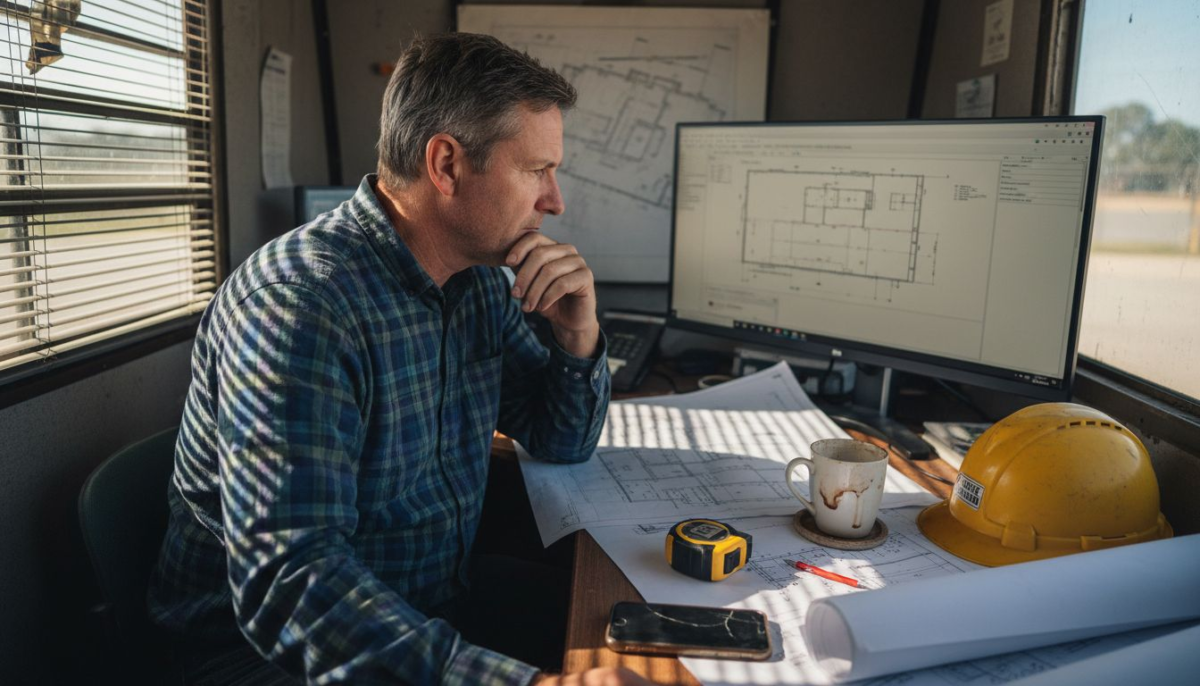
Over 80 percent of Australian construction businesses report that a professional website directly improves client trust and lead generation. In a fast-paced industry defined by reputation and visibility, an optimised online presence is now as critical as the worksite itself. Understanding the role of construction websites helps Australian builders achieve stronger connections with clients, streamline project management, and stand out in a crowded market.
Table of Contents
- Websites In Construction – Definition And Core Concepts
- Essential Website Features For Construction Businesses
- Digital Project Management And Client Communication
- Boosting Brand Visibility And Lead Generation Online
- Risks, Costs And Legal Exposure For Construction Websites
Key Takeaways
| Point | Details |
|---|---|
| Importance of Website Design | A well-structured website enhances communication and credibility for construction businesses, serving as a dynamic platform rather than just an online brochure. |
| Essential Website Features | Key features include project portfolios, testimonials, and mobile responsiveness, which are crucial for attracting and engaging potential clients. |
| Proactive Digital Risk Management | Construction businesses must invest in security and compliance measures to mitigate legal risks and protect their digital assets effectively. |
| Continuous Website Updates | Regular updates to content and functionality are necessary to maintain professional credibility and improve online visibility. |
Websites in Construction – Definition and Core Concepts
Websites serve as digital foundations for construction businesses, transforming traditional marketing approaches into sophisticated online platforms. In today’s competitive market, a well-designed website represents more than a digital brochure—it’s a powerful communication tool that connects contractors, clients, and stakeholders through seamless digital interactions. Understanding the core concepts of websites in construction requires recognising their strategic importance beyond mere online presence.
A construction website fundamentally functions as a comprehensive digital representation of a business’s capabilities, expertise, and professional identity. Essential design elements for builders include clear project portfolios, service descriptions, contact information, and compelling visual narratives that showcase completed work. These digital platforms enable construction professionals to demonstrate technical skills, highlight past achievements, and build credibility through transparent, accessible information.

The technological infrastructure supporting construction websites involves responsive design, mobile compatibility, and intuitive user experiences. Potential clients expect websites that load quickly, display project images professionally, and provide easy navigation across devices. Net Branding plays a crucial role in developing these digital experiences, ensuring that website aesthetics align with a company’s professional image and technical competence.
Modern construction websites integrate multiple functional elements beyond basic information display. These include project galleries, client testimonial sections, service pricing calculators, online quote request forms, and interactive communication channels. By incorporating these features, construction businesses can transform their websites from static information repositories into dynamic lead generation and client engagement platforms.
Pro Tip for Website Success: Regularly update your website’s project portfolio and ensure all technical specifications and contact information remain current to maintain professional credibility and client trust.
Frequently Asked Questions
What makes a construction website effective?
An effective construction website combines clear service descriptions, high-quality project images, easy contact methods, and mobile responsiveness.How often should construction websites be updated?
Construction websites should be reviewed and updated quarterly, with project portfolios refreshed at least twice per year.Why are mobile-friendly websites critical for construction businesses?
Mobile-friendly websites ensure potential clients can access information seamlessly on smartphones, increasing engagement and potential lead conversion rates.
Essential Website Features for Construction Businesses
Construction businesses require sophisticated websites that go beyond basic digital brochures, transforming online presence into powerful marketing and communication platforms. Website design strategies for builders play a critical role in establishing professional credibility and attracting potential clients through comprehensive digital experiences.
Essential website features for construction businesses include several key components that collectively create an engaging and functional online presence:
- Project Portfolio: High-resolution images of completed projects
- Service Descriptions: Detailed explanations of specialised construction services
- Client Testimonials: Authentic feedback from previous clients
- Contact Information: Multiple communication channels
- Quote Request Forms: Easy online consultation mechanisms
The technological infrastructure supporting these features must prioritise responsive design, ensuring seamless performance across smartphones, tablets, and desktop computers. Potential clients expect websites that load rapidly, display professional imagery, and provide intuitive navigation. Net Branding emphasises creating digital experiences that reflect a company’s technical expertise and professional standards.
Modern construction websites integrate interactive elements that transform static platforms into dynamic lead generation tools. These include advanced features like virtual project walkthroughs, interactive service pricing calculators, real-time chat support, and comprehensive project management dashboards. By incorporating such sophisticated digital elements, construction businesses can differentiate themselves in a competitive marketplace.
Here’s a summary of how different website features contribute to construction business goals:
| Website Feature | Main Function | Business Impact |
|---|---|---|
| Project galleries | Showcase completed work visually | Enhance credibility and attract leads |
| Interactive calculators | Provide quick pricing estimates | Boost user engagement, speed decisions |
| Real-time chat support | Enable direct client communication | Improve trust and lead conversion |
| Client testimonial pages | Highlight satisfied client stories | Build reputation and instil confidence |
| Mobile responsiveness | Deliver optimised mobile experience | Increase accessibility and reach |
Pro Tip for Website Optimisation: Regularly audit your website’s performance metrics, focusing on user engagement rates, mobile responsiveness, and conversion tracking to continuously improve your digital marketing strategy.
Frequently Asked Questions
What are the most critical website features for construction businesses?
Project portfolios, clear service descriptions, mobile responsiveness, and easy contact methods are the most crucial website features.How often should a construction website be updated?
Construction websites should be reviewed and refreshed quarterly, with project galleries updated at least twice per year.Why are interactive website features important for construction businesses?
Interactive features like online quote forms and project galleries help build trust, demonstrate expertise, and improve potential client engagement.
Digital Project Management and Client Communication
Modern construction businesses are increasingly leveraging advanced digital technologies to streamline project management and enhance client communication. Construction collaboration technology represents a transformative approach to managing complex building projects, enabling real-time information sharing and seamless coordination across geographically dispersed teams.
The core components of digital project management for construction businesses include comprehensive digital platforms that facilitate:
- Real-Time Communication: Instant messaging and video conferencing tools
- Document Sharing: Secure cloud-based project file repositories
- Progress Tracking: Interactive dashboards showing project milestones
- Budget Management: Digital financial tracking and reporting systems
- Client Portals: Personalised interfaces for client project updates
Virtual design and construction technologies have revolutionised how construction teams collaborate, allowing for integrated multi-disciplinary performance models that support explicit business objectives. These digital platforms enable architects, engineers, contractors, and clients to work synchronously, reducing communication delays and minimising potential misunderstandings.
Net Branding emphasises the importance of creating intuitive digital communication ecosystems that transform traditional project management approaches. Advanced platforms now offer features like augmented reality project previews, automated reporting, and predictive analytics that help businesses make more informed decisions throughout the construction process.
Pro Tip for Digital Project Management: Implement a comprehensive digital communication strategy that includes regular virtual check-ins, clear communication protocols, and user-friendly collaboration tools to ensure smooth project progression.
Frequently Asked Questions
What are the key benefits of digital project management?
Digital project management improves communication, reduces errors, enhances transparency, and provides real-time project tracking and reporting.How do virtual collaboration tools improve construction projects?
Virtual collaboration tools enable instant communication, secure document sharing, and collaborative design processes across different locations and teams.Why are client portals important in construction management?
Client portals provide transparency, allow real-time project updates, and give clients direct access to project progress, enhancing trust and satisfaction.
Boosting Brand Visibility and Lead Generation Online
Construction businesses today must leverage sophisticated digital strategies to enhance their online presence and attract potential clients. Link building strategies play a critical role in improving search engine rankings and increasing website visibility, ultimately driving more qualified leads to construction companies.
Effective online lead generation for construction businesses encompasses multiple strategic approaches:
- Compelling Visual Portfolio: High-quality project images and case studies
- Strategic Content Marketing: Informative blogs and industry insights
- Search Engine Optimisation: Targeted keyword implementation
- Social Media Integration: Active professional networking platforms
- Client Testimonial Showcases: Authentic success story displays
Lead generation tools are essential for transforming website visitors into potential clients. These sophisticated digital mechanisms include:
- Strategically designed contact forms
- Clear and compelling calls-to-action
- Interactive quote request systems
- Customer relationship management (CRM) integrations
- Personalised engagement tracking
Net Branding emphasises the importance of creating a cohesive digital identity that communicates professionalism, expertise, and reliability. Advanced websites now incorporate intelligent features like chatbots, automated follow-up systems, and personalised content recommendation engines that significantly enhance user engagement and conversion potential.
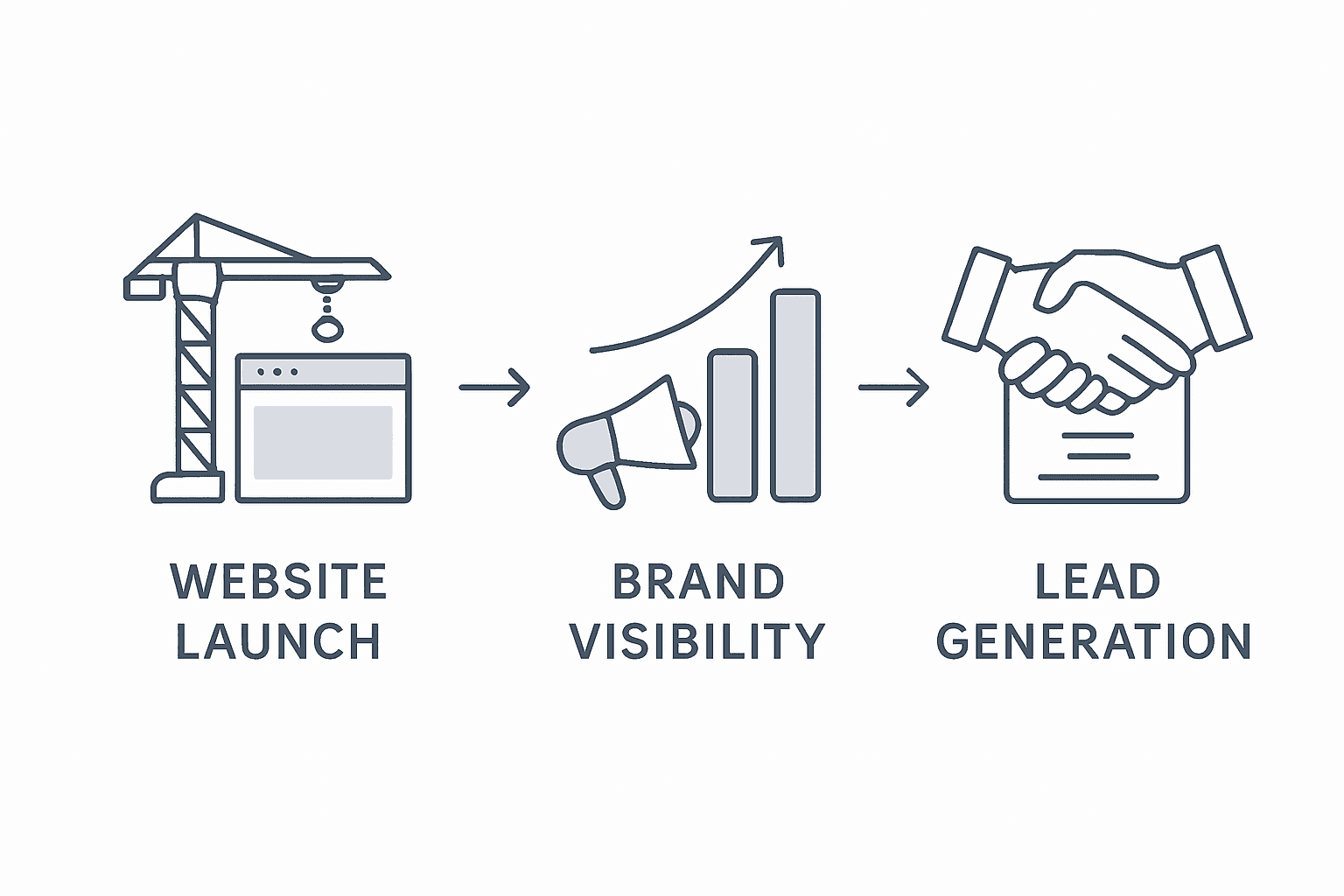
Pro Tip for Lead Generation: Implement a comprehensive digital strategy that combines targeted content, user-friendly design, and intelligent conversion mechanisms to transform website visitors into qualified leads.
Frequently Asked Questions
How do construction websites generate leads?
Construction websites generate leads through strategic content, clear call-to-actions, interactive features, and targeted search engine optimisation techniques.Why is online visibility important for construction businesses?
Online visibility helps construction businesses showcase expertise, build credibility, and reach potential clients who are searching for professional services.What makes an effective lead generation website?
An effective lead generation website combines professional design, compelling content, easy navigation, and clear communication channels.
Risks, Costs and Legal Exposure for Construction Websites
Construction businesses face significant digital risks when developing online platforms, requiring comprehensive strategies to protect both their digital assets and professional reputation. User-centered design approaches play a crucial role in mitigating potential legal and operational vulnerabilities associated with website development and management.
Key risk areas for construction websites include:
- Data Protection: Safeguarding client information
- Intellectual Property: Protecting project designs and confidential details
- Liability Exposure: Managing online content representations
- Cybersecurity: Preventing digital breaches and information theft
- Compliance Requirements: Meeting industry regulatory standards
Automation in construction technologies introduce complex legal considerations that businesses must carefully navigate. Professional websites require strategic investments in:
- Robust security infrastructure
- Regular compliance audits
- Professional legal consultations
- Comprehensive digital risk management protocols
- Advanced encryption technologies
Net Branding emphasises the importance of understanding potential financial implications. Website development and maintenance for construction businesses typically range from NZD 3,000 to NZD 15,000 annually, depending on complexity, features, and ongoing support requirements. Businesses must factor in potential legal costs, cybersecurity investments, and potential liability exposures when budgeting for their digital platforms.
Pro Tip for Digital Risk Management: Conduct quarterly comprehensive digital security assessments and maintain updated legal documentation to proactively manage potential online risks and protect your business reputation.
This table compares key digital risks and recommended mitigation strategies for construction websites:
| Digital Risk | Potential Impact | Mitigation Strategy |
|---|---|---|
| Data breaches | Loss of client trust, legal issues | Implement advanced encryption, audits |
| Unauthorised content use | Intellectual property disputes | Register IP, monitor site content |
| Regulatory non-compliance | Fines and reputation damage | Schedule regular legal compliance checks |
| Cyberattacks | Service downtime, data loss | Invest in firewalls, incident response |
| Misleading representation | Contractual or legal disputes | Regularly review website content |
Frequently Asked Questions
What are the primary legal risks for construction websites?
Primary legal risks include data protection violations, intellectual property misuse, misleading content representations, and potential contractual disputes.How much should construction businesses invest in website security?
Constructions businesses should allocate approximately 10-15% of their digital budget towards comprehensive cybersecurity and legal compliance measures.Why are professional website designs critical for risk management?
Professional website designs demonstrate credibility, reduce potential misunderstandings, and provide clear, legally compliant communication channels.
Empower Your Construction Business with a Powerful Online Presence
In the competitive construction industry, your website is more than just an information tool it is a growth engine. This article highlights the importance of features like project portfolios, client testimonials, and mobile responsiveness — critical components that build trust and attract more leads. If you find managing digital risks, updating engaging content, or optimizing for mobile devices challenging it is time to partner with experts who understand how to deliver results.
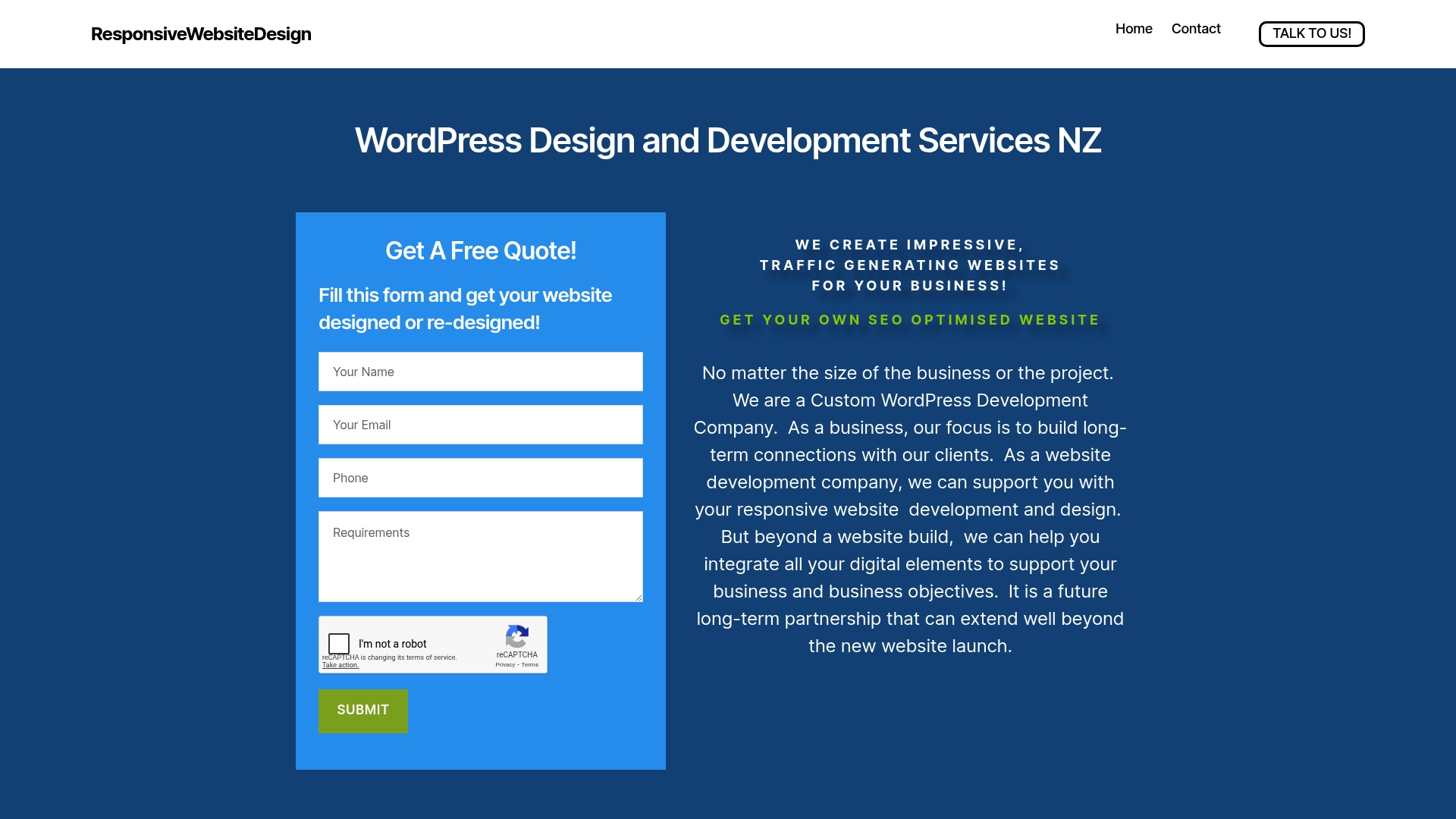
Discover how our customised WordPress solutions at ResponsiveWebsiteDesign can transform your online presence. Whether you need a fresh design, ongoing website management, or SEO optimisation our experienced team specialises in creating websites tailored to construction businesses. Explore success stories and tips in our Website Archives and practical insights from our Uncategorized Archives. Take control of your digital future today by visiting https://responsivewebsitedesign.co.nz and start turning your website into a powerful lead generation tool.
Frequently Asked Questions
What features should a construction website include to drive growth?
A construction website should include a project portfolio, detailed service descriptions, client testimonials, contact information, and interactive elements such as quote request forms to drive growth.
How often should I update my construction website to stay relevant?
You should review and update your construction website at least quarterly, with project portfolios refreshed at least twice a year to maintain credibility and attract new clients.
Why is mobile responsiveness important for construction websites?
Mobile responsiveness ensures that users can easily access and navigate your site on any device, increasing engagement and potential lead conversion rates.
How can I improve lead generation through my construction website?
Improving lead generation can be achieved by integrating strategic content marketing, compelling visuals, user-friendly designs, and clear calls-to-action on your website.
Recommended
- Why Builders Need Websites: Complete Business Guide – ResponsiveWebsiteDesign
- Website Design Guide for Builders: Create a Winning Website – ResponsiveWebsiteDesign
- 7 Essential Construction Website Design Tips for SMEs – ResponsiveWebsiteDesign
- Website Design Guide for Builders: Create a Winning Website – ResponsiveWebsiteDesign