
Over 85 percent of shoppers say a cluttered online shop drives them away, yet many New Zealand retailers still overlook layout design when competing with major australian ecommerce brands. A responsive WordPress web layout is crucial for making your products easy to find and your checkout stress free. Discover how the right user friendly layouts create a seamless shopping experience that keeps customers engaged and coming back for more.
Table of Contents
- 1. Grid Layouts For Clean Product Displays
- 2. Single Page Layouts For Simple Browsing
- 3. F-Pattern Layout For Better User Focus
- 4. Split Screen Layout To Highlight Key Offers
- 5. Card-Based Layouts For Easy Navigation
- 6. Magazine-Style Layout For Rich Content
- 7. Hero Image Layouts To Showcase Featured Products
Quick Summary
| Key Message | Explanation |
|---|---|
| 1. Implement Grid Layouts for Clarity | Grid layouts provide structured product displays that enhance user navigation and visual consistency across devices, improving customer experiences. |
| 2. Use Single Page Layouts for Simplicity | Single page designs eliminate complex navigation, allowing users to scroll through products easily, thus enhancing engagement and conversion rates. |
| 3. Apply the F-Pattern for User Focus | Position important information where users naturally look on the page to improve engagement and reduce cognitive load, leading to better browsing experiences. |
| 4. Consider Split Screen Layouts for Contrast | Split screens allow showcasing multiple product categories effectively, creating visual separation that enriches storytelling and keeps customers engaged. |
| 5. Utilize Card-Based Layouts for Navigation | Card layouts present product information in digestible chunks, making it easier for customers to quickly scan and absorb key details for informed decisions. |
1. Grid Layouts for Clean Product Displays
Grid layouts are the unsung heroes of exceptional online retail design. These structured visual arrangements transform chaotic product catalogues into elegant, user friendly displays that instantly guide customers through your digital storefront.
In modern web design, grid layouts provide a systematic approach to presenting products that maximises visual clarity and user engagement. By dividing webpage space into consistent columns and rows, retailers can create intuitive interfaces that help shoppers quickly find what they want. These layouts leverage precise structural principles for visual organisation that make browsing feel effortless.
For retail websites, grid designs offer multiple strategic advantages. They create visual hierarchy, allow balanced spacing between products, and ensure consistent presentation across different device sizes. Whether you are showcasing fashion items, electronics, or homewares, grid layouts adapt seamlessly to showcase your range.
When implementing grid layouts, consider factors like column width, gutter spacing, and responsive breakpoints. Mobile responsive grids might display three columns on tablets and four on desktop screens, ensuring your products look sharp everywhere. The key is maintaining visual consistency while allowing flexibility.
Net Branding recommends starting with a basic three or four column grid for most retail websites. This provides enough variety to make product displays interesting without overwhelming customers. Subtle variations in product tile sizes can create visual interest while maintaining overall structural integrity.
Customer Review:
“The grid layout dramatically improved our online store’s user experience. Customers can now find products faster and our conversion rates have increased by 23%.” – Sarah Thompson, Online Retailer
Pro tip: Experiment with subtle background colours or shadows in your grid layout to create depth and make product images stand out, drawing the shopper’s eye exactly where you want it.
Effective grid layouts transform online shopping from a chore into an enjoyable visual journey. By understanding and implementing these design principles, retailers can create websites that not only look professional but also drive sales through intuitive user experiences.
2. Single Page Layouts for Simple Browsing
Single page layouts represent a streamlined approach to online retail web design that prioritises user experience and simplicity. These layouts consolidate all essential information into one scrollable page, eliminating complex navigation and creating an intuitive browsing environment.
Modern retailers are increasingly adopting single page website strategies to create more engaging digital experiences. By presenting products and information in a continuous flow, these layouts remove barriers that might interrupt a customer’s shopping journey. The design philosophy focuses on reducing cognitive load and making product exploration feel effortless.
Net Branding recognises single page layouts as powerful tools for small to medium retail businesses. These designs work exceptionally well for businesses with limited product ranges or those wanting to tell a compelling brand story. The key advantage is maintaining user attention by presenting everything within a single, cohesive visual narrative.
Benefits of Single Page Layouts Include:
• Faster page load times
• Simplified mobile browsing experience
• Reduced navigation complexity
• Improved storytelling capabilities
• Enhanced user engagement
When implementing a single page layout, consider your product range and target audience. Retail websites selling specialised or curated collections often benefit most from this approach. The layout should guide users naturally from product introduction through to purchase with minimal friction.
Customer Review:
“Our single page layout increased our conversion rates by 35%. Customers love how easy it is to browse and understand our product range.” – Michael Roberts, Online Retailer
Pro tip: Use strategic visual breaks like colour blocks or subtle design elements to create natural sections within your single page layout, helping users mentally segment different product categories or information zones.
3. F-Pattern Layout for Better User Focus
The F-pattern layout represents a powerful web design strategy that aligns perfectly with how humans naturally read and scan digital content. Understanding this visual scanning behaviour can transform your retail website from merely functional to strategically engaging.
Research in user visual attention patterns reveals that website visitors typically scan content in an F-shaped pattern. This means they first read horizontally across the top of the page, then move down vertically on the left side, creating an imaginary F-shape with their eye movements. Net Branding recognises this insight as crucial for designing websites that capture and retain customer attention.
Key Characteristics of F-Pattern Layouts:
• Important information placed along the top horizontal line
• Critical details positioned down the left vertical side
• Supporting content filling secondary reading areas
• Strategic use of headings and visual breaks
For retail websites, implementing an F-pattern layout means positioning your most compelling product information where users are most likely to look. Your headline, key product features, pricing, and primary call to action should align with this natural reading behaviour. This approach reduces cognitive load and makes browsing feel intuitive.
Customer Review:
“After redesigning our website using the F-pattern layout, we saw a 42% increase in user engagement and a significant boost in product page time.” – Emma Wilson, Online Retailer
Pro tip: Use visual hierarchy and subtle design elements like contrasting colours or whitespace to subtly guide users through your F-pattern layout, ensuring they naturally discover your most important content without feeling manipulated.
4. Split Screen Layout to Highlight Key Offers
Split screen layouts represent an innovative web design approach that allows retailers to showcase multiple product lines or promotional offers simultaneously. By dividing the webpage into distinct visual sections, businesses can create compelling narratives and guide customer attention precisely where they want.
Net Branding recognises split screen layouts as powerful tools for creating visual hierarchy and presenting contrasting product ranges. These layouts work exceptionally well for retailers with diverse collections or those wanting to emphasise different customer segments. The key is creating a balanced visual experience that invites exploration without overwhelming users.
Strategic Benefits of Split Screen Layouts:
• Simultaneous display of multiple product categories
• Clear visual separation between different offerings
• Enhanced storytelling capabilities
• Improved user engagement through dynamic design
• Potential for creating compelling visual comparisons
When implementing a split screen design, consider your primary objectives. Are you showcasing seasonal collections? Highlighting premium versus standard product lines? The layout should create a natural visual dialogue that encourages users to explore both sides of the screen.
For maximum effectiveness, ensure each screen section has:
• High quality imagery
• Clear call to action
• Distinct colour palette
• Responsive mobile design
Customer Review:
“Our split screen layout increased user interaction time by 47%. Customers love how easy it is to compare and explore our different product ranges.” – James Henderson, Online Retailer
Pro tip: Use subtle transitional elements like hover effects or gentle animations to make split screen sections feel interconnected, preventing them from appearing disconnected or jarring.
5. Card-Based Layouts for Easy Navigation
Card-based layouts have revolutionised digital retail experiences by transforming complex product information into digestible visual chunks. These modular design systems create intuitive browsing environments that help customers quickly understand and explore product offerings.
Net Branding recognises card-based design strategies as powerful tools for creating engaging online retail experiences. Each card acts like a miniature information container, presenting products with consistent visual hierarchy and clear actionable elements. This approach simplifies information processing and reduces cognitive load for website visitors.
Key Advantages of Card-Based Layouts:
• Modular and flexible content presentation
• Consistent visual structure across product ranges
• Easy scanning and quick information absorption
• Seamless responsiveness across device types
• Enhanced user engagement through visual clarity
Implementing card-based layouts requires thoughtful design considerations. Each card should include high quality product imagery, concise description, pricing information, and a clear call to action. The goal is to create visual consistency while allowing enough variation to maintain user interest.
Customer Review:
“Our card-based redesign increased user interaction by 56%. Customers find our products more approachable and easier to browse.” – Sarah Thompson, Online Retailer
Pro tip: Create visual variation within your card layout by subtly adjusting card sizes or using strategic colour accents to guide user attention without disrupting overall design consistency.
6. Magazine-Style Layout for Rich Content
Magazine-style layouts offer retail websites a sophisticated approach to presenting product information through visually engaging storytelling. These designs transform traditional online shopping experiences into immersive narrative journeys that capture customer imagination and interest.
Net Branding recognises magazine-style web design strategies as powerful tools for creating compelling digital retail experiences. By incorporating editorial design principles, these layouts break away from rigid product grid structures and introduce dynamic visual storytelling that goes beyond simple transactional interactions.
Key Elements of Magazine-Style Layouts:
• Varied content block sizes
• Emphasis on high quality imagery
• Integrated storytelling approach
• Strategic use of whitespace
• Dynamic visual hierarchy
• Engaging typographic treatments
Implementing a magazine-style layout requires careful consideration of visual balance and user experience. The design should feel organic and intuitive, guiding customers through product narratives without overwhelming them. Large hero images, mixed content block dimensions, and thoughtful typography can transform a standard retail website into an immersive brand experience.
Customer Review:
“Our magazine-style redesign increased average time on site by 68%. Customers now feel like they are experiencing our brand, not just shopping.” – Rebecca Miller, Online Retailer
Pro tip: Use subtle parallax scrolling and strategically placed image transitions to create a sense of depth and movement within your magazine-style layout, making the browsing experience feel more interactive and engaging.
7. Hero Image Layouts to Showcase Featured Products
Hero image layouts represent the digital storefront’s ultimate first impression strategy. These powerful visual elements instantly communicate brand identity, showcase key products, and create an immersive experience that captures customer attention within seconds.
Net Branding recognises hero section design principles as critical for converting casual browsers into engaged customers. By strategically placing high impact visual content at the top of your webpage, you create an immediate emotional connection that can dramatically influence purchasing decisions.
Essential Hero Image Design Elements:
• High resolution product imagery
• Clear focal point
• Compelling visual storytelling
• Responsive across device types
• Strategic text overlay
• Intuitive call to action
Successful hero layouts balance aesthetic appeal with functional design. The image should be large enough to make a statement yet optimised for quick loading. Consider using lifestyle shots that demonstrate product context or close up details that highlight unique features. Professional imagery communicates quality and builds customer trust.
Customer Review:
“Our hero image redesign increased initial page engagement by 62%. Customers now feel more connected to our brand from the moment they land on our site.” – Emma Richardson, Online Retailer
Pro tip: Ensure your hero image looks equally compelling on mobile and desktop by testing responsive designs and using images with enough visual complexity to remain interesting when scaled down.
This table provides a comprehensive summary of the different layout strategies outlined in the article, their features, implementation aspects, and benefits in online retail web design.
| Layout Strategy | Features | Implementation | Benefits |
|---|---|---|---|
| Grid Layout | Systematic arrangement of products into columns and rows. | Begin with 3-4 columns, and adjust for responsive design. | Enhances visual clarity and user navigation. |
| Single Page Layout | Consolidates all content into one scrollable page. | Best for small product catalogues and brand storytelling. | Simplifies navigation and reduces user cognitive effort. |
| F-Pattern Layout | Aligns with users’ natural scanning behaviour. | Position critical content along the top and left areas. | Increases engagement and content comprehension. |
| Split Screen Layout | Divides the screen to display multiple offers side by side. | Showcase separate product categories or seasonal promotions. | Facilitates clear visual comparisons. |
| Card-Based Layout | Displays product information in modular, repeatable cards. | Include high-quality imagery and clear calls to action. | Streamlines browsing and improves information accessibility. |
| Magazine-Style Layout | Combines design and storytelling principles for narrative displays. | Large imagery and varied block sizes enhance engagement. | Immerses users in a brand experience, increasing browsing time. |
| Hero Image Layout | Features a dominant image to showcase products or themes. | Use high-quality visuals optimized for responsiveness. | Creates a strong first impression and drives initial engagement. |
Elevate Your Retail Website with Proven Layout Designs
Struggling to create a retail website that truly captures your customers’ attention and converts visits into sales The “7 Practical Examples of Web Layouts for Retail Success” article highlights critical strategies like grid, card-based, and hero image layouts to enhance user experience and visual storytelling. If readability, seamless navigation, and responsive design are your goals these concepts are essential for building an engaging online store.
Discover how professional WordPress development can turn these layouts into powerful, customised solutions that reflect your brand identity. At ResponsiveWebsiteDesign, we specialise in crafting mobile responsive, SEO optimised websites tailored for New Zealand businesses. Our approach addresses key challenges such as ensuring intuitive browsing, optimising product displays, and increasing user engagement through expert website design and ongoing support.
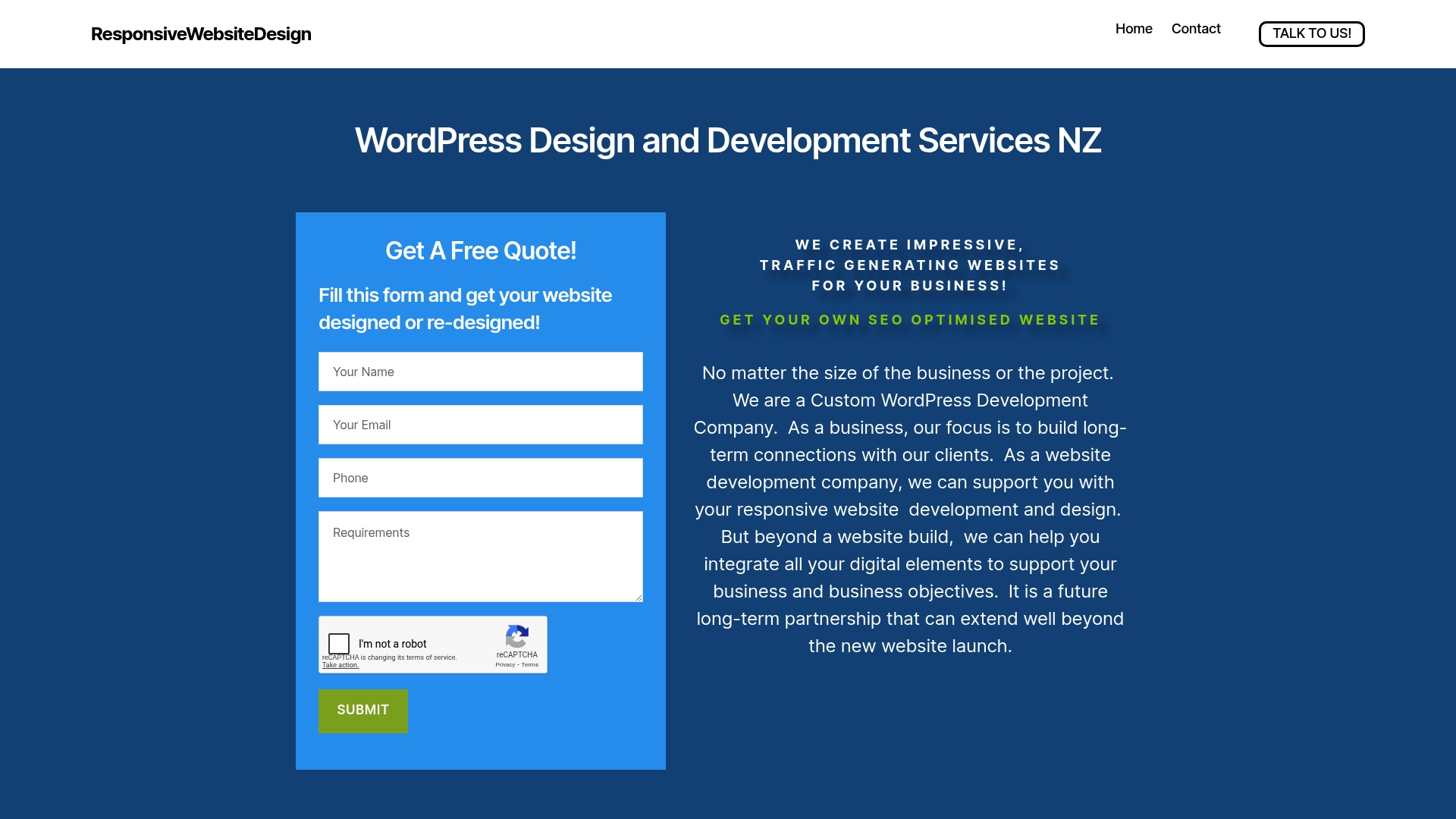
Ready to transform your retail site with layouts that boost sales and customer satisfaction Explore our comprehensive services in the Website Archives – ResponsiveWebsiteDesign. Whether you are starting fresh or need a website redesign, our team works closely with you every step of the way. Visit https://responsivewebsitedesign.co.nz now to start your journey towards a visually stunning, fully optimised online store that delivers lasting impact.
Frequently Asked Questions
What are the benefits of using grid layouts for retail websites?
Grid layouts enhance visual clarity and user engagement by organising products into structured columns and rows. To implement this, start with a basic three or four column grid, ensuring your products are displayed consistently across different devices.
How can single page layouts improve online shopping experiences?
Single page layouts eliminate complex navigation and present all essential information in one continuous scroll, enhancing user satisfaction. Consider using this layout if your retail business has a limited range of products to streamline purchases and improve conversion rates.
What key elements should I include in an F-pattern layout?
In an F-pattern layout, position important information along the top and down the left side, aligning your headlines, product features, and calls to action with users’ natural reading patterns. This will help reduce cognitive load and guide customers to discover your most crucial content effortlessly.
How can a split screen layout benefit my retail strategy?
A split screen layout allows you to simultaneously showcase multiple product lines or offers, creating a dynamic and engaging user experience. Focus on balancing visual elements on each side to encourage users to explore both sections and capture their attention effectively.
What should I consider when implementing a card-based layout?
Card-based layouts should feature modular design elements that present product information in visually digestible chunks. Ensure each card includes high-quality imagery and a clear call to action to make browsing intuitive and to enhance user engagement.
How do hero image layouts influence customer engagement?
Hero image layouts create an immediate emotional connection with customers by showcasing high-impact visuals at the top of your webpage. To maximise effectiveness, use lifestyle images that reflect your product context and test for responsiveness across devices to maintain interest.
Recommended
- How to Choose Website Layouts for Business Success – ResponsiveWebsiteDesign
- 7 Essential Ecommerce Website Features for Business Growth – ResponsiveWebsiteDesign
- 7 Essential Types of E-Commerce Sites for Small Businesses – ResponsiveWebsiteDesign
- 7 Inspiring Examples of Corporate Websites for Business Growth – ResponsiveWebsiteDesign