
Most advice about australian web design branding overlooks one key point. Over 80 percent of users judge a business’s credibility within seconds of landing on its website, making first impressions critical in the digital age. With the right branding, australian organisations can set themselves apart, earn trust, and create digital experiences that keep visitors engaged. This article reveals how thoughtful design choices influence perception, build trust, and shape long-term customer loyalty.
Table of Contents
- Defining Branding In Web Design Context
- Core Elements Of Brand Identity Online
- Visual Consistency And User Perception
- Building Trust Through Effective Branding
- Branding Impact On Conversion And Loyalty
Key Takeaways
| Point | Details |
|---|---|
| Branding is Essential in Web Design | Effective branding creates immediate recognition and builds trust with potential customers, enhancing the overall user experience. |
| Consistency is Key | Visual consistency across digital platforms establishes reliability and professional identity, fostering user loyalty. |
| Trust is Built on Authenticity | Genuine brand narratives and consistent messaging cultivate deeper connections with audiences, encouraging ongoing engagement. |
| Impact on Conversion and Loyalty | Strong brand identity enhances user engagement and conversion rates, transforming casual interactions into meaningful relationships. |
Defining Branding in Web Design Context
Branding in web design represents a sophisticated strategic approach that transforms digital interfaces from mere functional platforms into compelling visual narratives. At its core, branding encompasses the strategic use of names, designs, and symbols to distinguish a website’s unique service offerings, creating immediate recognition and perceived value for visitors.
Effective web design branding goes beyond aesthetic considerations, functioning as a powerful communication tool that conveys an organisation’s core identity, values, and professional personality. When executed strategically, branding elements like colour palettes, typography, imagery, and interactive design create a cohesive visual language that resonates with target audiences. These design choices signal professionalism, build trust, and differentiate businesses in increasingly competitive digital environments.
Net Branding principles suggest that successful web design branding requires a holistic approach integrating visual consistency, emotional connection, and user experience. By thoughtfully aligning graphic elements with brand messaging, organisations can create digital experiences that not only look appealing but also authentically represent their unique market positioning. The goal is to craft websites that immediately communicate who they are, what they stand for, and why potential customers should engage with their brand.
Key components of effective web design branding include:
- Consistent colour schemes reflecting brand identity
- Typography that communicates brand personality
- Strategically designed logos and visual markers
- Uniform messaging tone across digital platforms
- Intuitive navigation that enhances user experience
Frequently Asked Questions:
How important is branding in web design?
Branding is crucial as it creates immediate visual recognition and builds trust with potential customers.Can small businesses benefit from professional branding?
Absolutely. Professional branding helps small businesses appear more credible and competitive.How often should website branding be updated?
Typically every 3-5 years, or when significant business shifts occur to maintain relevance and modern appeal.
Core Elements of Brand Identity Online
Digital brand identity represents a comprehensive framework that strategically communicates an organisation’s essence through online platforms. A robust digital brand identity comprises multiple interconnected components, including foundational elements that collectively create a compelling narrative about a business’s unique value proposition.

Core digital brand identity elements encompass visual, verbal, and strategic components that work synergistically to create memorable online experiences. These include meticulously designed visual markers like logos, colour palettes, and typography, alongside verbal elements such as brand voice, messaging tone, and storytelling techniques. Comprehensive brand identity integrates name, tagline, imagery, and communication strategies to construct a cohesive and authentic digital presence that resonates with target audiences.
Net Branding approaches emphasise the importance of consistency across digital touchpoints. Successful online brand identity requires deliberate alignment between visual design, user experience, and strategic messaging. This means ensuring that every digital interaction – from website navigation to social media presence – reinforces the organisation’s core values, personality, and unique market positioning.
Key components of effective online brand identity include:
- Strategic visual design elements
- Consistent colour psychology
- Distinctive logo and brand markers
- Uniform messaging across platforms
- Authentic storytelling techniques
- User-centric design principles
Frequently Asked Questions:
Why is online brand identity important?
Online brand identity helps businesses differentiate themselves and create memorable digital experiences.How often should brand identity be reviewed?
Recommended every 2-3 years or when significant business transformations occur.Can small businesses benefit from professional brand identity?
Definitely. Professional brand identity helps smaller organisations appear credible and competitive in digital marketplaces.
Visual Consistency and User Perception
Consistent visual branding across digital platforms creates profound psychological impacts on user perception, establishing critical connections between design elements and audience trust. When businesses strategically align their visual communication, they transform mere graphical representations into powerful narrative tools that communicate reliability, professionalism, and authenticity.
Net Branding principles emphasise that visual consistency extends beyond aesthetic uniformity, representing a sophisticated communication strategy that integrates colour psychology, typography, imagery, and design language. Maintaining visual coherence through deliberate design choices ensures a cohesive brand identity, positively influencing how users interpret and emotionally connect with digital experiences. This strategic approach transforms websites from functional interfaces into compelling brand storytelling platforms.
The psychological mechanisms underlying visual consistency are complex and nuanced. Repeated exposure to consistent design elements triggers cognitive recognition patterns, enabling users to rapidly identify and develop familiarity with a brand. This unconscious process builds trust, reduces cognitive friction, and creates a sense of predictability that encourages longer engagement and deeper brand loyalty.
Key strategies for achieving visual consistency include:
- Developing comprehensive brand style guides
- Implementing uniform colour palettes
- Creating standardised typography systems
- Maintaining consistent imagery and graphic styles
- Ensuring responsive design across all digital platforms
- Aligning visual elements with brand personality
Frequently Asked Questions:
How important is visual consistency?
Extremely crucial. It builds trust and helps users quickly recognise and remember your brand.What happens with inconsistent branding?
Inconsistent branding can confuse users and diminish perceived professionalism.How often should visual branding be reviewed?
Recommend a comprehensive review every 2-3 years to ensure continued relevance and effectiveness.
Building Trust Through Effective Branding
Effective branding represents a sophisticated strategic approach to cultivating deep psychological connections with audiences, transforming visual communication into a powerful trust-building mechanism. When businesses develop authentic and consistent brand narratives, they transcend traditional marketing boundaries, creating meaningful relationships that extend far beyond superficial interactions.
Net Branding principles reveal that trust emerges through meticulous alignment between a brand’s visual language, messaging, and fundamental organisational values. A well-defined brand identity that resonates with user expectations naturally fosters deeper engagement and loyalty, enabling businesses to establish credible digital personas that invite user confidence and long-term commitment.
The psychological architecture of trust in digital environments is intricate and multifaceted. Successful brands understand that trust is not merely constructed through isolated interactions but through continuous, predictable experiences that demonstrate reliability, transparency, and genuine understanding of user needs. This requires a holistic approach that integrates visual design, communication strategy, and user experience into a cohesive narrative that speaks directly to audience expectations.
Key strategies for building trust through branding include:
- Maintaining absolute visual and messaging consistency
- Demonstrating transparency in communication
- Aligning brand values with authentic actions
- Creating user-centric design experiences
- Implementing responsive and accessible design
- Showcasing genuine customer testimonials
Frequently Asked Questions:
How quickly can effective branding build trust?
Trust develops incrementally, typically requiring consistent positive interactions over 3-6 months.Can small businesses compete with larger brands in trust-building?
Absolutely. Authenticity and consistency matter more than marketing budget.What damages brand trust most quickly?
Inconsistent messaging, poor customer service, and lack of transparency.
Branding Impact on Conversion and Loyalty
A strong brand identity represents a pivotal psychological mechanism that transforms casual interactions into meaningful customer relationships, directly influencing conversion rates and long-term loyalty. By creating emotional resonance and strategic visual narratives, businesses can transcend transactional boundaries and establish profound connections with their target audiences.
Net Branding approaches reveal that conversion is not merely about aesthetic design but about crafting comprehensive user experiences that align with audience expectations and emotional triggers. Consistent and appealing brand design elements systematically enhance user engagement, compelling visitors to take desired actions, thereby increasing conversion potential and fostering sustained customer relationships.
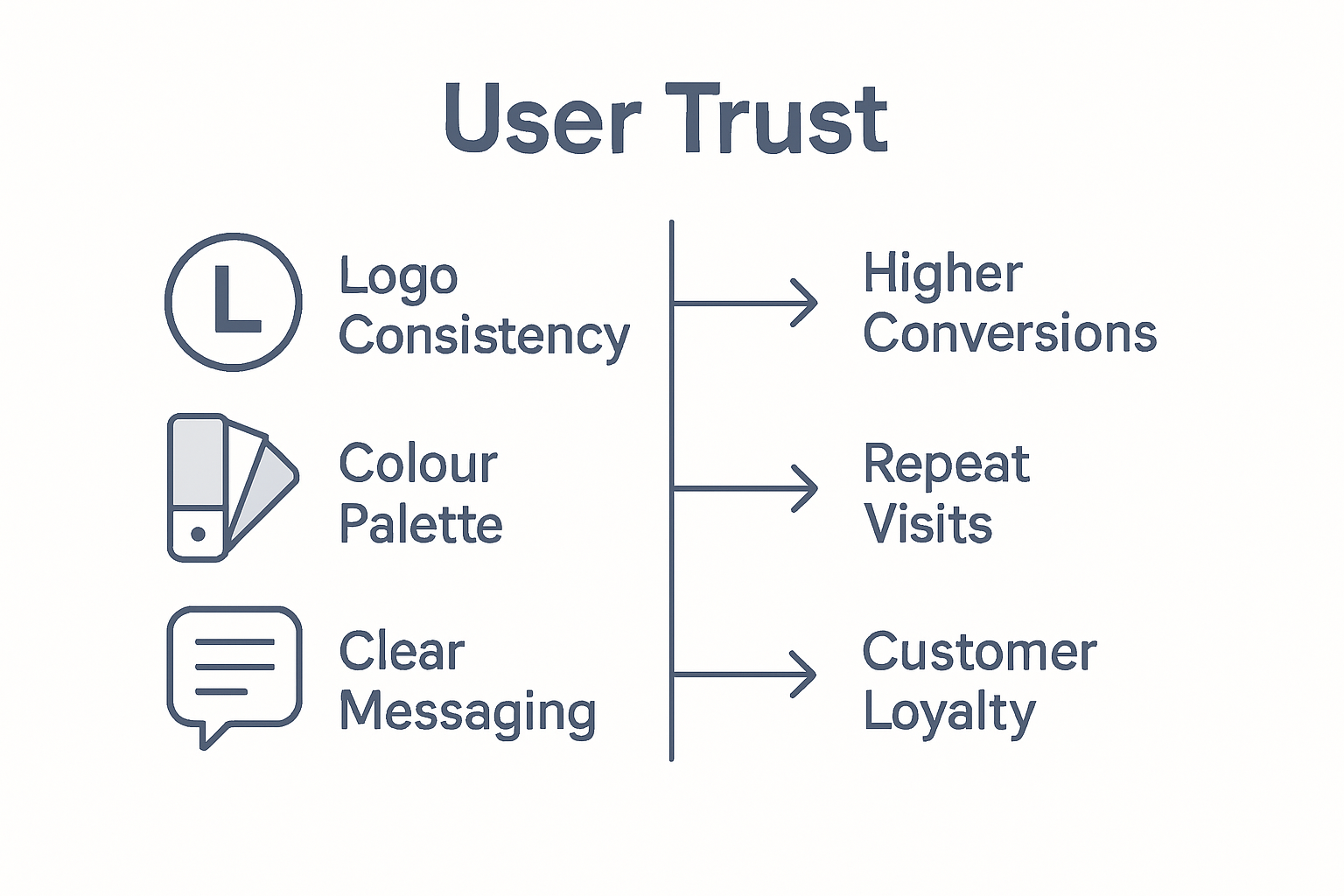
The psychological mechanisms underlying brand-driven conversion are intricate and multifaceted. Successful brands understand that loyalty emerges through repeated positive interactions, where visual consistency, authentic messaging, and user-centric design combine to create predictable and reassuring experiences. This strategic approach transforms digital platforms from simple transactional spaces into trusted environments that invite ongoing engagement and emotional investment.
Key strategies for enhancing conversion and loyalty through branding include:
- Developing emotionally compelling visual narratives
- Creating intuitive and responsive design experiences
- Maintaining consistent brand messaging across platforms
- Implementing personalisation strategies
- Demonstrating genuine understanding of user needs
- Providing transparent and value-driven interactions
Frequently Asked Questions:
How quickly can effective branding improve conversion rates?
Typically, strategic branding can show measurable conversion improvements within 3-6 months.Are branding efforts more important for large or small businesses?
Equally critical. Authentic branding matters regardless of business size.What metrics indicate successful brand-driven conversion?
Increased engagement rates, reduced bounce rates, and higher customer retention percentages.
Unlock the Power of Branding for Your Website Success
Struggling to create a website that truly reflects your brand identity and builds trust with your audience The role of branding in web design success is critical for businesses aiming to stand out and convert visitors into loyal customers Our agency specialises in crafting visually engaging, responsive, and SEO-optimised WordPress websites designed to elevate your brand and resonate deeply with your target market
Ready to transform your digital presence through strategic branding and expert web design Visit ResponsiveWebsiteDesign to explore how our tailored solutions can help you build trust, enhance user experience, and drive conversions Act now to partner with a team that supports you from website design to ongoing SEO optimisation and maintenance Discover more in our Website Archives and learn how strong branding boosts your visibility in the SEO Archives Start your journey to a brand-aligned website today
Frequently Asked Questions
How does branding impact user trust in web design?
Branding plays a critical role in building user trust. Consistent visual elements and authentic messaging create an identity that users can rely on, fostering familiarity and confidence in the brand.
What are the key components of effective branding in web design?
Effective branding in web design includes consistent colour schemes, typography, logos, and uniform messaging that align with the brand’s identity and values, ensuring a cohesive visual language.
How can businesses measure the success of their branding efforts in web design?
Businesses can measure branding success through metrics such as user engagement rates, conversion rates, and feedback on brand perception, allowing them to assess the effectiveness of their branding strategies.
How often should a brand’s web design be reviewed for consistency?
It’s recommended to review a brand’s web design for consistency every 3-5 years or whenever significant business changes occur to ensure it remains relevant and resonates with target audiences.
Recommended
- Role of Website Visuals – Impact on Business Success – ResponsiveWebsiteDesign
- Why Invest in Web Design: Complete Guide for Business – ResponsiveWebsiteDesign
- Why Invest in Web Design: Complete Guide for Business – ResponsiveWebsiteDesign
- 7 Essential Homepage Design Tips for Business Websites – ResponsiveWebsiteDesign
- Role of Design in Business – Driving Growth and Trust
- Understanding Branding for Small Businesses Effectively – seo analytic