
Over 90 percent of australian businesses now depend on their websites to connect with customers and drive growth. In today’s competitive market, website content does more than just fill pages with information. It shapes first impressions, builds trust, and turns visitors into loyal clients. Whether you run a small start-up or a national brand, understanding the purpose and type of your website content sets the foundation for meaningful online success.
Table of Contents
- Defining Website Content And Its Purpose
- Essential Types Of Website Content Explained
- Building Trust: Content Structure And User Experience
- Seo And Legal Essentials For Business Websites
- Avoiding Mistakes And Enhancing Engagement
Key Takeaways
| Point | Details |
|---|---|
| Website Content Importance | Website content is essential for effective digital communication, building trust, and achieving business objectives. It should resonate with the target audience to create meaningful connections. |
| Diverse Content Types | Utilising a mix of textual, visual, and interactive content enhances user engagement and effectively communicates information, catering to various audience preferences. |
| User-Centric Design | A well-structured website prioritises user experience through intuitive navigation and clear presentation, crucial for establishing trust and credibility. |
| SEO and Legal Considerations | Regularly updating SEO strategies and ensuring legal compliance are vital for maintaining search visibility and protecting user data, fostering a trustworthy online presence. |
Defining Website Content and Its Purpose
Website content represents the digital storytelling and communication strategy for businesses seeking to establish a powerful online presence. It encompasses everything visitors see, read, and interact with on a website, ranging from written text and images to videos and interactive elements. Effective website content is crucial for delivering a positive user experience and achieving strategic business objectives.
At its core, website content serves multiple critical purposes. First, it communicates a brand’s core message, values, and unique value proposition. Second, it provides valuable information that helps potential customers understand products, services, and solutions. Third, well-crafted content builds trust, establishes expertise, and encourages user engagement. Net Branding recognises that compelling content is not just about filling web pages but creating meaningful connections with target audiences.
Successful website content follows several key principles. It must be clear, concise, and targeted to specific audience needs. High-quality content addresses user questions, solves problems, and guides visitors through their decision-making journey. This means understanding your audience’s pain points, interests, and motivations. For New Zealand businesses, this translates to creating content that speaks directly to local market challenges and opportunities, using language and examples that resonate with kiwi entrepreneurs and consumers.
FAQs:
How often should website content be updated?
Website content should be reviewed and refreshed every 3-6 months to maintain relevance and SEO performance.What makes website content effective?
Effective content is clear, valuable, audience-focused, and aligned with business goals.Can I write website content myself?
While possible, professional content creation ensures higher quality, strategic messaging, and better user engagement.
Essential Types of Website Content Explained
Website content encompasses a diverse range of formats designed to engage, inform, and convert visitors. Multiple content types serve strategic purposes in digital communication, each playing a unique role in attracting and retaining audience attention. These variations ensure websites can effectively communicate complex information while maintaining user interest through dynamic presentation.
The primary categories of website content include textual, visual, interactive, and downloadable resources. Textual content forms the backbone of most websites, comprising articles, blog posts, product descriptions, and informative guides. Visual content like images, infographics, and videos complement written material, helping to break down complex concepts and improve user engagement. Interactive elements such as quizzes, polls, and calculators encourage direct user participation, transforming passive browsing into an immersive experience.

Net Branding recognises that successful website content requires a strategic approach to content selection. Engaging content types range from news updates to emotional storytelling, allowing businesses to create compelling narratives that resonate with their target audience. For New Zealand businesses, this means crafting content that speaks directly to local market needs, using language and examples that feel authentic and relevant to kiwi consumers.
FAQs:
How many content types should a website include?
Aim for a balanced mix of 3-4 different content types to maintain user interest and provide comprehensive information.Which content type is most effective?
Video and interactive content typically generate the highest user engagement across most industries.How often should website content be updated?
Regularly update content every 3-6 months to maintain relevance and search engine visibility.
Building Trust: Content Structure and User Experience
Building trust through website content requires a strategic approach to structure and presentation. Organizing content into clear and consistent structures fundamentally enhances user experience and establishes credibility with visitors. The way information is arranged, formatted, and presented directly impacts how users perceive a brand’s professionalism and reliability.
Content hierarchy plays a crucial role in building user trust. Websites must implement intuitive navigation systems, logical information architecture, and predictable content layouts that guide users effortlessly through their journey. Header structures, consistent formatting, and strategic use of white space help break down complex information, making it more digestible. Net Branding understands that selecting appropriate content types contributes to a functional and structured website, which is essential for maintaining user engagement and demonstrating expertise.
For New Zealand businesses, creating a trustworthy online presence means prioritising user-centric design principles. This involves understanding your audience’s expectations, anticipating their information needs, and presenting content in a manner that feels both professional and approachable. Visual consistency, clear typography, responsive design, and intuitive navigation are not just aesthetic choices but critical trust-building mechanisms that signal a company’s commitment to user experience.
FAQs:
How quickly do users judge website trustworthiness?
Users typically form an initial impression within 3-5 seconds of landing on a webpage.What impacts website trust most?
Consistent design, clear navigation, professional content, and mobile responsiveness are key trust factors.How often should website structure be reviewed?
Recommend a comprehensive website structure review every 6-12 months to ensure ongoing user experience quality.
SEO and Legal Essentials for Business Websites
Optimizing website content for search engines requires a comprehensive approach that balances technical requirements with legal compliance. Businesses must strategically integrate relevant keywords, create high-quality content, and ensure proper formatting while simultaneously addressing critical legal considerations. This multifaceted approach ensures websites not only rank effectively but also protect the organisation’s interests.
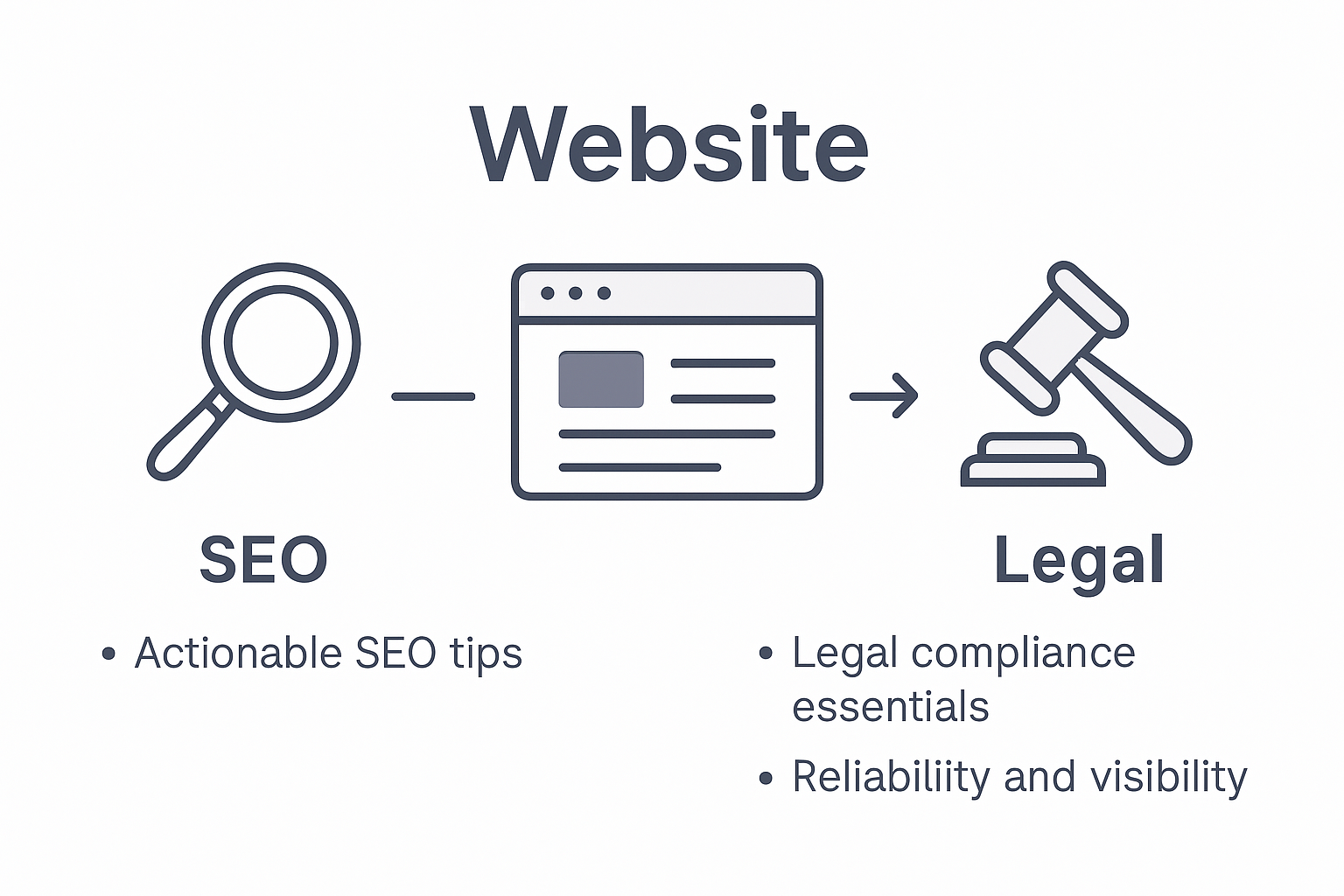
Search engine optimisation demands careful keyword selection and content strategy. Net Branding recognises that effective website content plays a critical role in improving search engine rankings, requiring ongoing attention to technical details and user experience. Websites must incorporate strategic keywords naturally, maintain content relevance, and focus on creating valuable information that genuinely serves user needs. For New Zealand businesses, this means developing content that speaks directly to local audiences while meeting stringent digital marketing standards.
Legal essentials form another crucial component of website management. Businesses must implement comprehensive privacy policies, clear disclaimers, and ensure compliance with Web Content Accessibility Guidelines (WCAG). This involves creating transparent communication channels, protecting user data, and providing accessible design that accommodates users with diverse abilities. From copyright considerations to data protection regulations, websites must demonstrate a commitment to ethical digital practices that build trust and mitigate potential legal risks.
FAQs:
How often should SEO strategies be updated?
Recommend reviewing and updating SEO strategies every 3-4 months to maintain competitive search rankings.What are key legal requirements for websites?
Privacy policies, cookie consent, accessible design, and clear terms of service are critical legal essentials.How can businesses improve website accessibility?
Implement WCAG guidelines, provide alternative text for images, ensure keyboard navigation, and use clear, readable fonts.
Avoiding Mistakes and Enhancing Engagement
Common content mistakes can significantly undermine a website’s effectiveness, requiring businesses to adopt strategic approaches that maintain user interest and credibility. Understanding these potential pitfalls helps organisations create more compelling digital experiences that resonate with their target audiences. Successful websites anticipate user needs and proactively address potential barriers to engagement.
Net Branding recognises that effective content strategies involve avoiding typical design and communication errors, such as information overload, poor visual presentation, and neglecting mobile user experience. Strategic content development requires careful consideration of multiple factors, including audience expectations, technological accessibility, and clear communication pathways. For New Zealand businesses, this means creating responsive, visually appealing content that speaks directly to local market needs while maintaining professional standards.
Key strategies for avoiding engagement mistakes include maintaining content currency, implementing clear calls to action, and ensuring consistent visual and textual quality. Websites must continuously evolve, presenting fresh, relevant information that addresses user questions and demonstrates ongoing expertise. This involves regular content audits, responsive design updates, and a commitment to understanding shifting user preferences. By prioritising user experience and maintaining a dynamic, accessible online presence, businesses can transform potential engagement barriers into opportunities for meaningful connection.
FAQs:
How frequently should website content be updated?
Recommend reviewing and refreshing content every 3-4 months to maintain relevance and user interest.What are the most critical engagement mistakes?
Common mistakes include outdated information, poor mobile responsiveness, and unclear navigation.How can businesses improve website engagement?
Focus on user-centric design, clear messaging, high-quality visuals, and regularly updated, valuable content.
Strengthen Your Website Content with Expert WordPress Solutions
Building clear and engaging website content that truly connects with your audience can feel overwhelming. The challenges of crafting targeted messaging, maintaining a consistent content structure, and ensuring your site is fully optimised for SEO and user experience are common issues New Zealand businesses face today. If you want to overcome these hurdles and boost your online impact, it is vital to partner with a team that understands how to bring your digital story to life.
Explore our Website Archives to learn how tailored WordPress design and development can transform your content into a powerful business asset. At Responsive Website Design, we specialise in creating mobile-responsive, SEO-optimised websites that reflect your brand’s unique voice while delivering a seamless user experience. Don’t wait to make your website the trusted, engaging platform your customers expect. Contact us today to start the journey toward a website that works as hard as you do.
Frequently Asked Questions
How often should website content be updated?
Website content should be reviewed and refreshed every 3-6 months to maintain relevance and SEO performance.
What makes website content effective?
Effective content is clear, valuable, audience-focused, and aligned with business goals.
Can I write website content myself?
While possible, professional content creation ensures higher quality, strategic messaging, and better user engagement.
What are key legal requirements for websites?
Privacy policies, cookie consent, accessible design, and clear terms of service are critical legal essentials.
Recommended
- 7 Essential Homepage Design Tips for Business Websites – ResponsiveWebsiteDesign
- 7 Essential User Experience Tips for Business Websites – ResponsiveWebsiteDesign
- Role of Website Visuals – Impact on Business Success – ResponsiveWebsiteDesign
- 7 Inspiring Examples of Corporate Websites for Business Growth – ResponsiveWebsiteDesign