
Over 40% of users will leave a website that takes more than three seconds to load, placing australian businesses under enormous pressure to deliver seamless digital experiences. Fast website speed is not just a technical detail, but a vital factor shaping customer trust and commercial success. Understanding what truly drives website performance, and facing the common myths head-on, helps australian businesses gain a real edge in a world where every second counts.
Table of Contents
- Defining Website Speed And Common Misconceptions
- How Speed Affects User Experience And Behaviour
- Impact Of Website Speed On Search Rankings
- Financial Consequences Of A Slow Website
- Optimising Website Speed For Lasting Results
Key Takeaways
| Point | Details |
|---|---|
| Understanding Website Speed | Website speed is influenced by multiple technical factors beyond just image sizes, affecting user experience and performance. |
| Impact on User Engagement | Slow websites lead to higher bounce rates and lower engagement, with many users abandoning sites that don’t load quickly. |
| SEO Implications | Website speed directly affects search engine rankings, with faster sites receiving higher visibility and user engagement. |
| Financial Consequences | Minor improvements in speed can lead to significant increases in conversion rates, emphasising the necessity for optimisation. |
Defining Website Speed and Common Misconceptions
Website speed represents the critical performance metric that determines how quickly a webpage loads and becomes fully interactive for users. Despite its apparent simplicity, website speed encompasses far more complex technical dimensions than many business owners realise. Website speed optimization involves multiple interconnected technical factors that collectively influence digital performance.
Contrary to popular belief, website speed is not solely determined by image file sizes. Research indicates that complex JavaScript libraries often contribute significantly to loading delays, with substantial portions of imported code remaining unexecuted. Modern websites frequently load unnecessary scripts that consume bandwidth and processing power, creating unnecessary friction in user experience.
Common misconceptions about website speed include simplistic assumptions about performance. Business owners often believe that speed is a straightforward metric, when in reality, it involves intricate interactions between server response times, code efficiency, content delivery networks, and browser rendering capabilities. Net Branding understands that true website performance requires a holistic approach, examining every technical element that contributes to user interaction speed.
Key misconceptions about website speed include:
- Believing only large images slow down websites
- Assuming website speed is uniform across different devices
- Thinking speed optimization is a one-time task rather than ongoing maintenance
FAQs:
How quickly should a website load?
Ideal website load times are under 3 seconds, with most users abandoning sites that take longer than 4 seconds to become interactive.Can website speed impact business revenue?
Absolutely. Slower websites experience higher bounce rates, reduced user engagement, and potential loss of customer conversions.Is website speed important for mobile users?
Mobile users are even more sensitive to speed, with 53% of mobile users abandoning sites that take longer than 3 seconds to load.
How Speed Affects User Experience and Behaviour
Website speed profoundly influences user psychology and digital interaction, creating immediate emotional responses that determine whether visitors engage or abandon a digital platform. User experience research consistently demonstrates that milliseconds can dramatically impact user perception and business outcomes.
Research reveals critical insights into user behaviour and website performance. Loading duration studies indicate that 47% of users expect a webpage to load within 2 seconds, with 40% prepared to abandon sites taking longer than 3 seconds. These statistics underscore the razor-thin margin businesses have to capture and maintain user attention in a digitally competitive landscape.
The psychological impact of slow websites extends beyond immediate frustration. Prolonged loading times trigger neurological responses similar to experiencing physical discomfort, causing users to associate negative emotions with a brand. Net Branding recognises that website performance is not just a technical metric but a critical component of customer relationship management. When websites respond swiftly and seamlessly, they communicate professionalism, reliability, and respect for user time.
Key behavioural impacts of slow website speed include:
- Increased bounce rates
- Reduced user engagement
- Diminished brand credibility
- Lower conversion potential
- Negative emotional associations
FAQs:
How much does website speed affect conversion rates?
Studies show that reducing load times can increase conversion rates by up to 32%, demonstrating the direct financial impact of performance.Do mobile users have different speed expectations?
Mobile users are even more speed-sensitive, with 53% abandoning sites that load slower than 3 seconds.Can website speed influence search engine rankings?
Search engines like Google prioritise faster websites, meaning speed directly impacts visibility and organic traffic potential.
Impact of Website Speed on Search Rankings
Search engine rankings are intrinsically linked to website performance, with speed emerging as a critical factor in determining online visibility and digital success. SEO strategies now fundamentally recognise that technical performance directly influences search engine algorithms and user engagement metrics.
Core Web Vitals research reveals compelling insights into how search engines evaluate website performance. Google’s algorithm uses sophisticated metrics that measure not just raw speed, but also stability, responsiveness, and visual experience. Websites achieving excellent Core Web Vitals can experience significant improvements, including an average increase of 15% in click-through rates and 12% in conversion rates.
Search engines like Google prioritise user experience as a fundamental ranking criterion. Technical performance studies demonstrate that slow websites are systematically penalised, making it progressively harder for businesses to maintain online visibility. Net Branding understands that website speed is not merely a technical consideration but a critical competitive advantage in digital marketing strategies.
Key implications of website speed on search rankings include:
- Direct impact on search engine algorithm scoring
- Influence on user engagement metrics
- Correlation with organic search visibility
- Potential for improved click-through rates
- Enhanced user experience signals
FAQs:
How quickly must a website load to rank well?
Search engines typically favour websites that load within 2-3 seconds, with faster sites receiving higher ranking potential.Do mobile site speeds matter for rankings?
Mobile site speed is crucial, with Google using mobile-first indexing that prioritises mobile performance in search rankings.Can website speed improvements boost SEO immediately?
While improvements are not instantaneous, consistent performance enhancements can progressively improve search engine rankings over time.
Financial Consequences of a Slow Website
Website performance directly translates into financial outcomes, with speed serving as a critical determinant of business revenue potential. Performance optimization strategies reveal that even minuscule improvements in loading times can generate substantial economic benefits for businesses across digital landscapes.

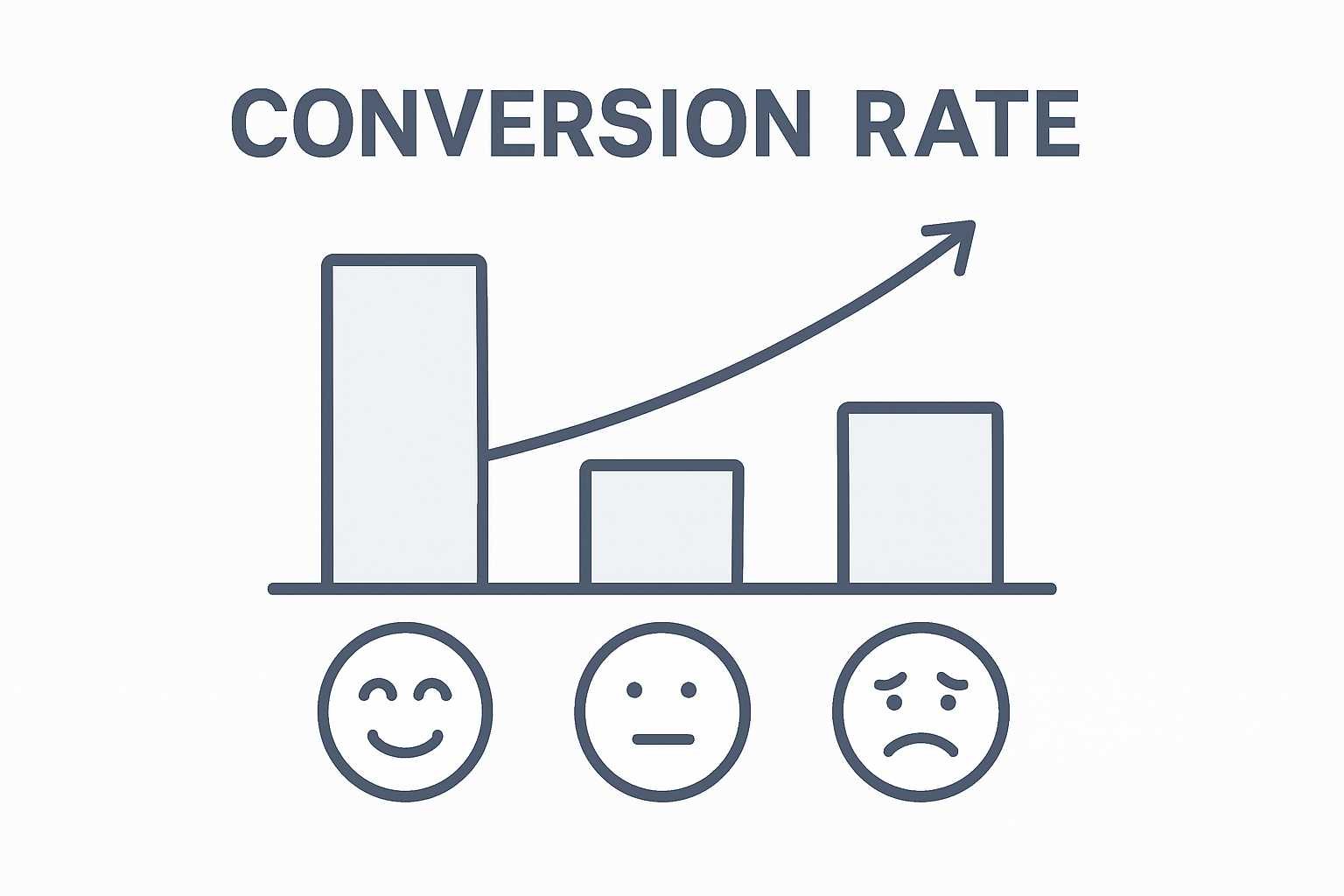
Conversion rate research demonstrates that a mere 0.1-second improvement in website speed can trigger an impressive 8% increase in conversion rates. This microscopic technical enhancement represents a significant financial lever, transforming potential customer interactions into tangible revenue streams. Net Branding understands that these seemingly marginal performance gains can dramatically reshape a company’s digital profitability.
The financial implications extend beyond immediate conversion metrics. Website performance studies indicate that reducing load times to under 3 seconds can amplify conversion rates by an extraordinary 32%. With 47% of users expecting near-instantaneous page loads and 40% abandoning sites that fail to meet these expectations, businesses face a critical imperative to optimise their digital infrastructure.
Financial risks associated with slow websites include:
- Reduced customer acquisition rates
- Decreased online revenue potential
- Higher customer abandonment percentages
- Increased customer acquisition costs
- Diminished brand perception and trust
FAQs:
How much revenue can website speed improvements generate?
Businesses can potentially increase conversion rates by up to 32% through strategic speed optimisations.What is the typical cost of website performance upgrades?
Investments in website speed can range from NZD 500 to NZD 5000, depending on complexity and existing infrastructure.How quickly can speed improvements impact revenue?
Performance enhancements can generate measurable financial results within 30-90 days of implementation.
Optimising Website Speed for Lasting Results
Achieving sustained website performance requires a strategic, multifaceted approach that goes beyond simple technical tweaks. Mobile-friendly website workflows demonstrate that comprehensive optimization involves systematic, ongoing improvements targeting multiple technical dimensions.
Comprehensive performance research reveals that effective website speed optimization encompasses several critical strategies. These include image optimization, code minification, intelligent caching mechanisms, and strategic Content Delivery Network (CDN) implementation. Each strategy contributes incrementally to reducing loading times and enhancing overall digital performance. Net Branding recognises that these technical interventions are not one-time fixes but continuous refinement processes.
Emergent technologies are revolutionising website performance optimization. Advanced web performance techniques like SlimWeb demonstrate innovative approaches to automatically generating lightweight web page versions by eliminating unnecessary JavaScript. Such technologies can potentially reduce page load times by up to 50%, representing a quantum leap in digital efficiency and user experience design.
Key strategies for sustained website speed include:
- Regular performance audits
- Continuous code optimization
- Strategic resource management
- Intelligent caching implementations
- Proactive technical maintenance
FAQs:
How often should website speed be evaluated?
Performance should be assessed quarterly, with immediate interventions for any detected performance degradation.What is the cost of professional speed optimization?
Professional speed optimization services typically range from NZD 750 to NZD 3000, depending on website complexity.Can speed optimization improve overall business performance?
Yes, improved website speed directly correlates with higher conversion rates, enhanced user engagement, and increased digital credibility.
Enhance Your Business Success with Faster Website Performance
Struggling with slow load times and lost customers? The article highlights how website speed directly impacts user engagement, search rankings, and ultimately revenue. If you want to overcome challenges like increased bounce rates, diminished brand credibility, and lower conversion potential it is critical to invest in ongoing performance optimisation and mobile responsive design. Our specialist team at ResponsiveWebsiteDesign.co.nz delivers tailored WordPress solutions focused on improving speed while aligning with your business goals.
Explore proven strategies to boost your site speed and user experience by visiting our Website Archives and learn how SEO and technical enhancements improve online visibility at our SEO Archives. Ready to transform your digital presence and increase conversions now Visit ResponsiveWebsiteDesign.co.nz to start your journey to a faster, more profitable website today.
Frequently Asked Questions
How quickly should a website load for optimal performance?
Ideal website load times are under 3 seconds, with users often abandoning sites that take longer than 4 seconds to load.
How does website speed affect customer engagement?
A slow website can lead to higher bounce rates and lower user engagement, as users may become frustrated and leave if a page takes too long to load.
Can improving website speed enhance conversion rates?
Yes, studies show that optimising website speed can significantly increase conversion rates, with improvements of just a few tenths of a second leading to notable financial gains.
How does website speed influence search engine rankings?
Search engine algorithms prioritise faster websites, meaning that improving your site’s speed can positively impact its visibility and ranking in search results.
Recommended
- Why Optimise Page Speed: Complete Guide for Businesses – ResponsiveWebsiteDesign
- Boost Performance With Website Speed Optimization Builders – ResponsiveWebsiteDesign
- How to Improve Site Speed for Better User Experience – ResponsiveWebsiteDesign
- 7 Essential User Experience Tips for Business Websites – ResponsiveWebsiteDesign